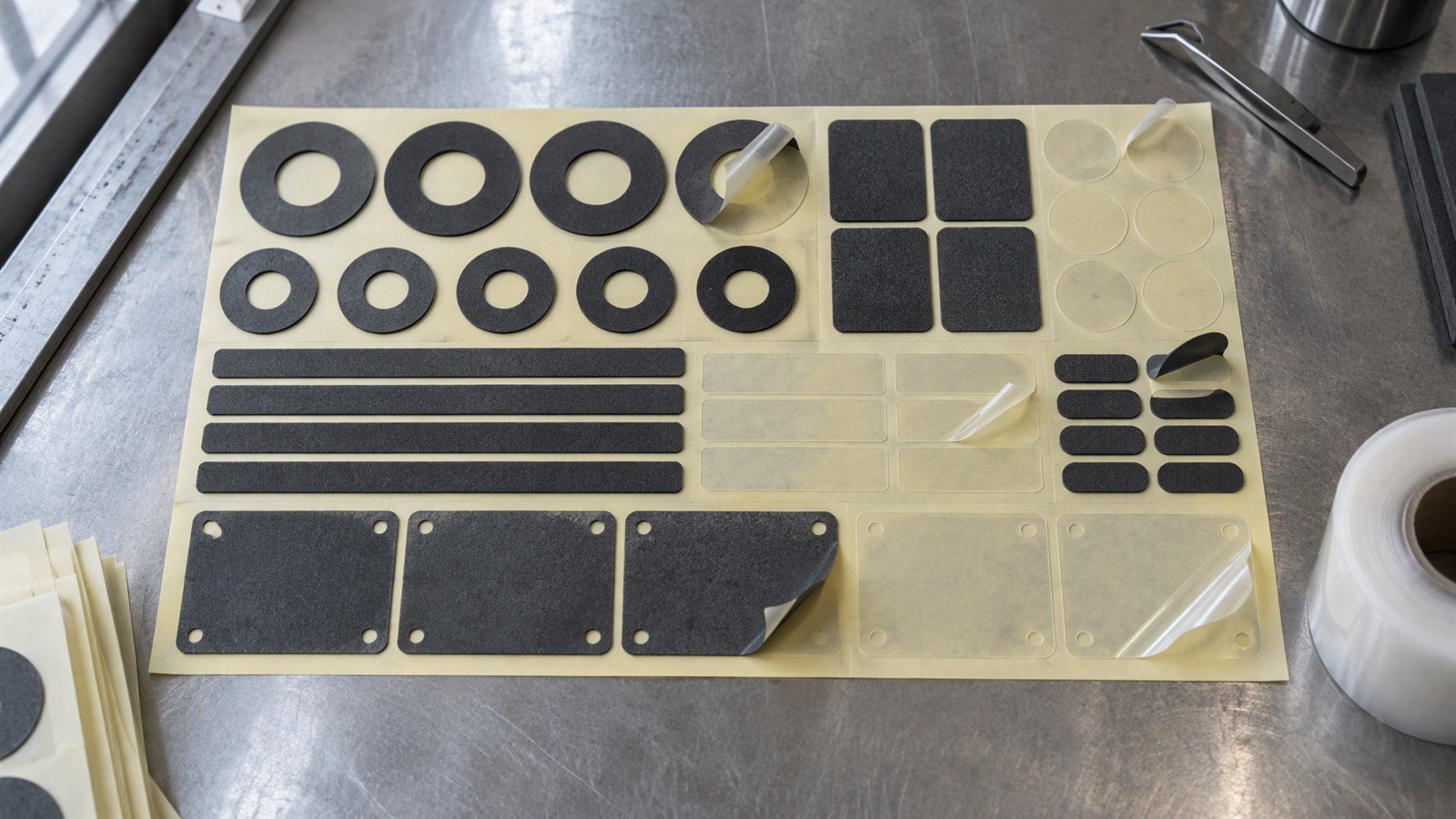
Die-Cut Parts
Custom adhesive parts from drawing to ready-to-install: flat-bed, rotary, laser cutting and kitting.
View productTolerance, tooling and lead time are linked. This guide explains how each die-cutting process behaves, what tolerances are realistic, and how to prepare a drawing that quotes cleanly.
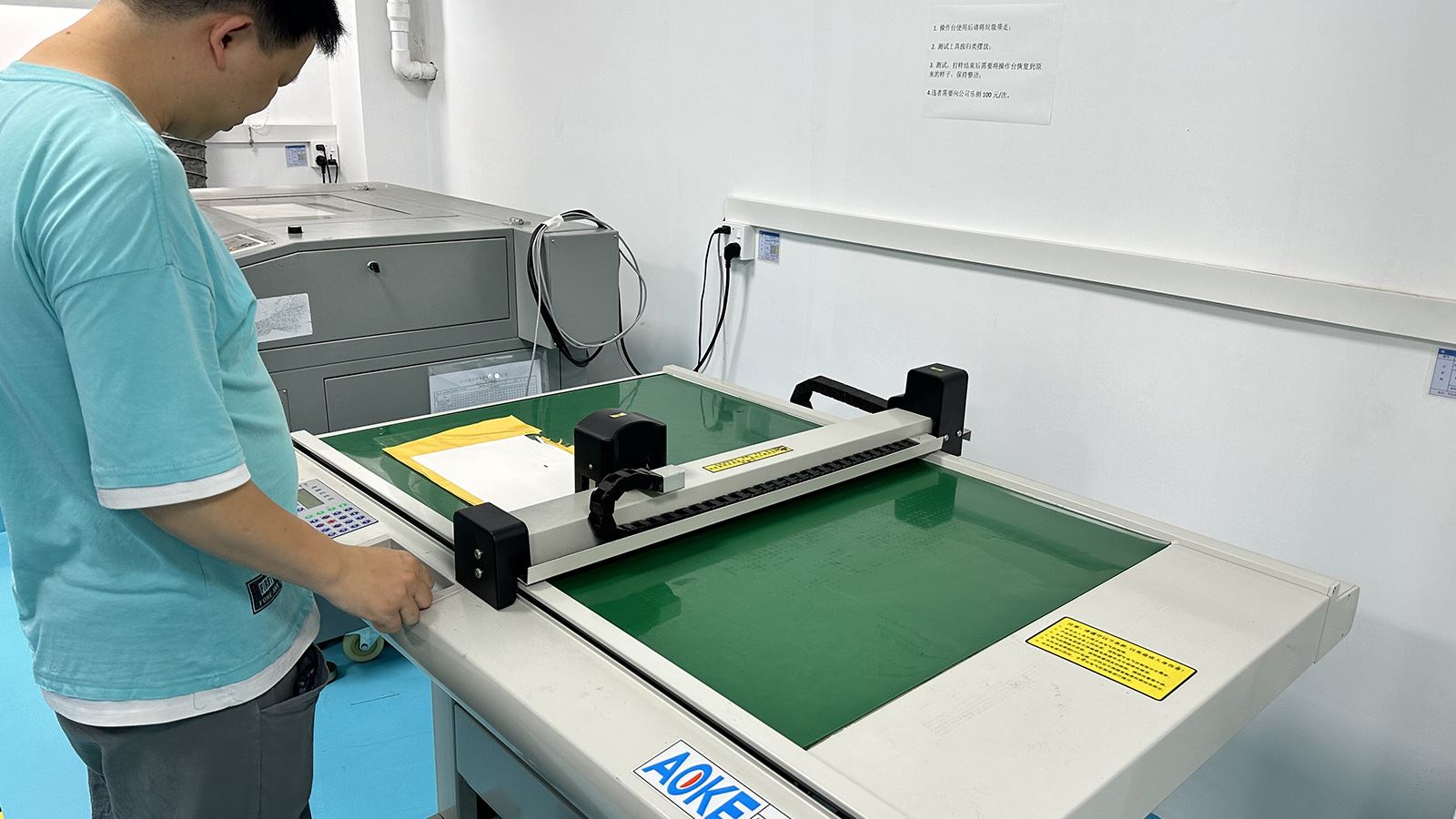
A die-cut tape part looks simple until the drawing arrives with a 0.05 mm tolerance on a 0.5 mm foam. Tolerance, material, tooling and volume interact, and the cheapest process is not always the one with the lowest tooling cost. This guide explains the trade-offs so you can specify parts that are both manufacturable and affordable.
Flatbed die-cutting uses a steel rule die pressed into the material. It is flexible, suits short and medium runs, and handles thick foam and multi-layer laminations. Rotary die-cutting uses a cylindrical die on a continuous web; it is faster and more consistent for high volume. Laser cutting needs no tooling and handles intricate shapes, but it can leave a heat-affected edge on some materials. CNC cutting is useful for prototypes and thick or rigid constructions.
The tolerance bands and tooling windows in the table are how these four routes are generally understood across the converting industry. They are not the figures we commit to on your part: the tolerance we hold, the tool we cut and the window from approval to first shipment are stated against your drawing, your material and your cutting route in the quotation.
| Process | Typical tolerance | Tooling | Best for |
|---|---|---|---|
| Flatbed die-cutting | ±0.15 to ±0.30 mm | Steel rule die, 3–7 days | Short to medium runs, foam, laminates |
| Rotary die-cutting | ±0.10 to ±0.20 mm | Rotary cylinder, 7–15 days | High volume, roll-to-roll, stable materials |
| Laser cutting | ±0.10 to ±0.20 mm | None | Prototypes, intricate shapes, low volume |
| CNC cutting | ±0.10 to ±0.30 mm | Programming only | Thick or rigid parts, small batches |
A ±0.2 mm tolerance is comfortable on a 100 mm part and difficult on an 8 mm part, because adhesive flow and liner movement are proportionally larger. Very small parts also suffer from handling loss and liner pop-off. If the design allows, group small parts on a shared liner or supply them in a pad or reel format.
Thin transfer tape is the most demanding material. It has no carrier to stabilise the shape, so the liner does most of the work. A PET liner gives better dimensional support than a paper liner, at a higher cost.
Steel rule tooling is the lowest-cost entry point and is well suited to flatbed production. A simple die for a small part can be ready in a few days; complex multi-up tools take longer. Rotary cylinders cost more and take longer to manufacture, but they pay back on long runs through speed and consistency.
Laser cutting avoids tooling entirely, which makes it attractive for prototypes and design iterations. The trade-off is a higher unit cost and, on some materials, a slightly different edge. For a product that will move to mass production, use laser for validation and plan the transition to a die before launch.
| Order type | Typical quantity | Suggested process | Tooling decision |
|---|---|---|---|
| Prototype | 1–50 pcs | Laser or CNC | No tooling |
| Pilot run | 100–1,000 pcs | Flatbed | Simple steel rule die |
| Production | 10,000+ pcs | Rotary or flatbed multi-up | Invest in durable tooling |
| Large foam part | 100–5,000 pcs | Flatbed or CNC | Steel rule or programming only |
Quoted lead time usually starts when the drawing, material and tooling are approved, not when you send an enquiry. A realistic timeline includes material availability, tooling fabrication, first-article approval, production and inspection. If the tape is a branded grade, confirm stock before promising a date.
Ask for a first article inspection report with measured dimensions against the drawing. For adhesive parts, dimensional checks are necessary but not sufficient: confirm the material grade, liner, adhesive side and roll orientation as well. A part that measures correctly but is laminated upside down still fails on the line.
For repeating orders, agree on a sampling plan and keep a signed golden sample. It resolves disputes faster than a drawing revision.
This guide is general technical information, not a substitute for testing the selected material on your substrate and process. Values are grade dependent; confirm the current TDS before approval.
Custom adhesive parts from drawing to ready-to-install: flat-bed, rotary, laser cutting and kitting.
View product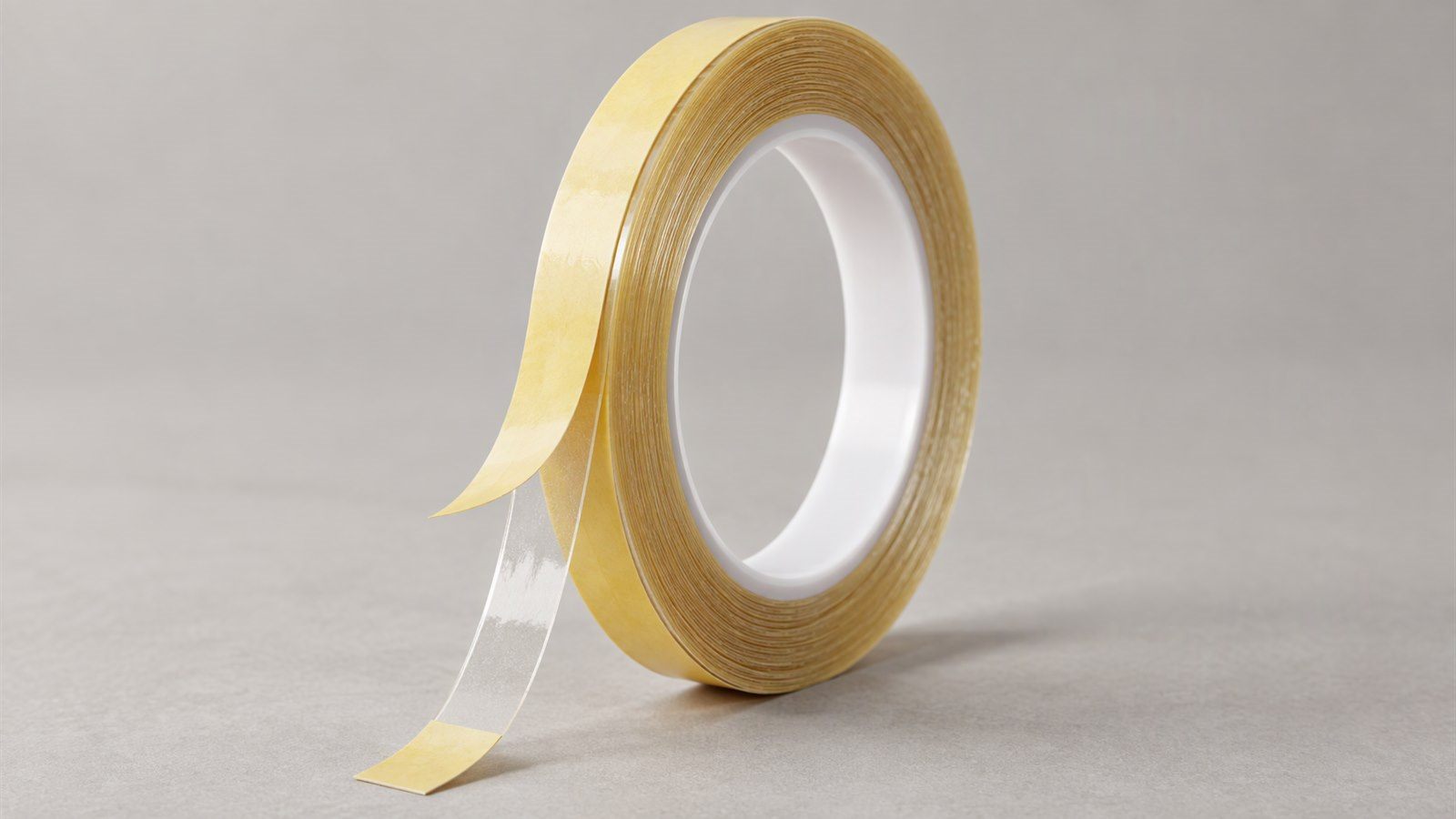
PET, non-woven, transfer and tissue tapes for electronics, automotive and appliance assembly.
View product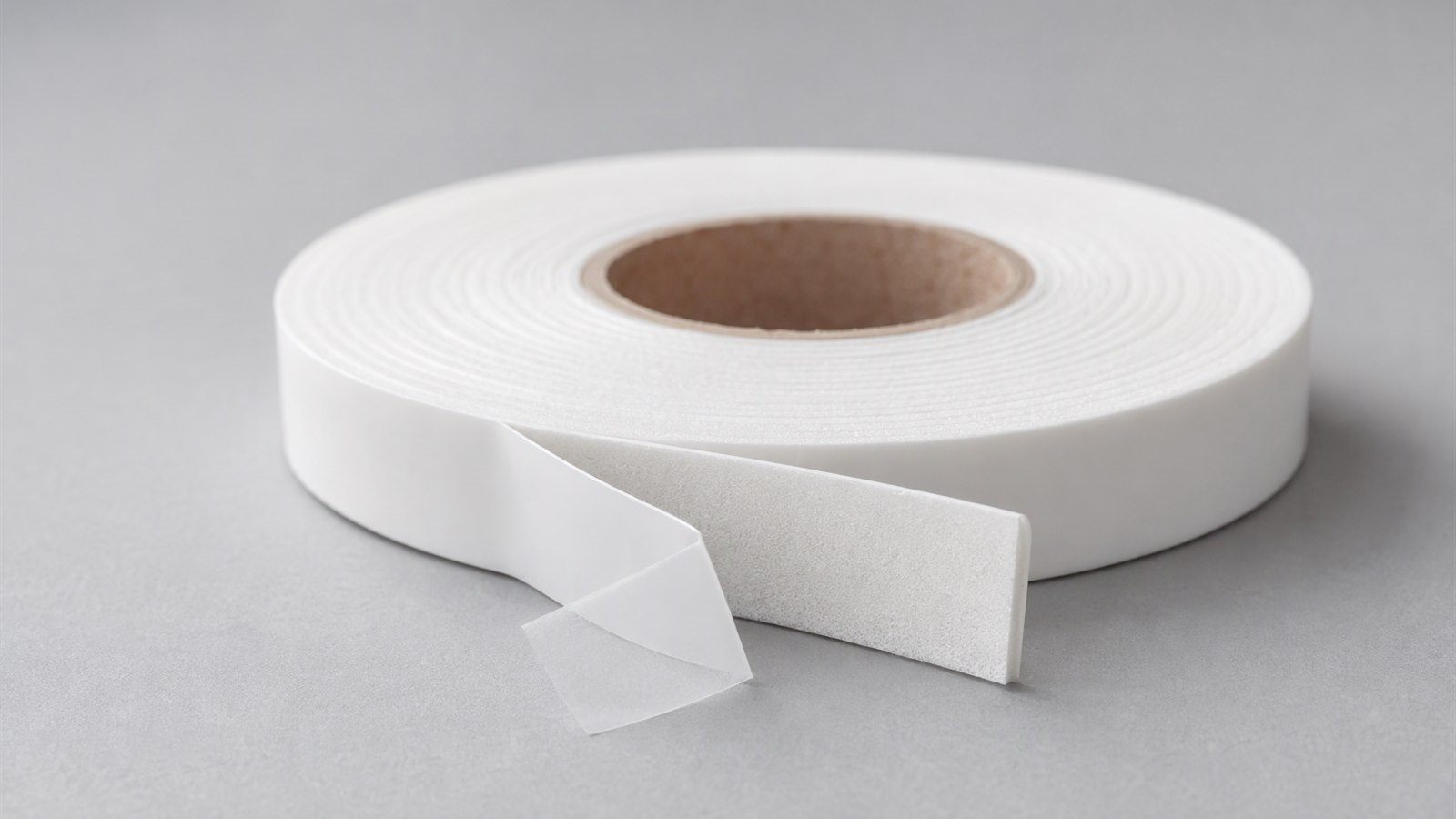
Acrylic foam, PE foam and VHB-style tapes for exterior trim, panels, glazing and appliance bonding.
View productSend the substrate, environment and drawing. We will propose a construction and a validation plan.