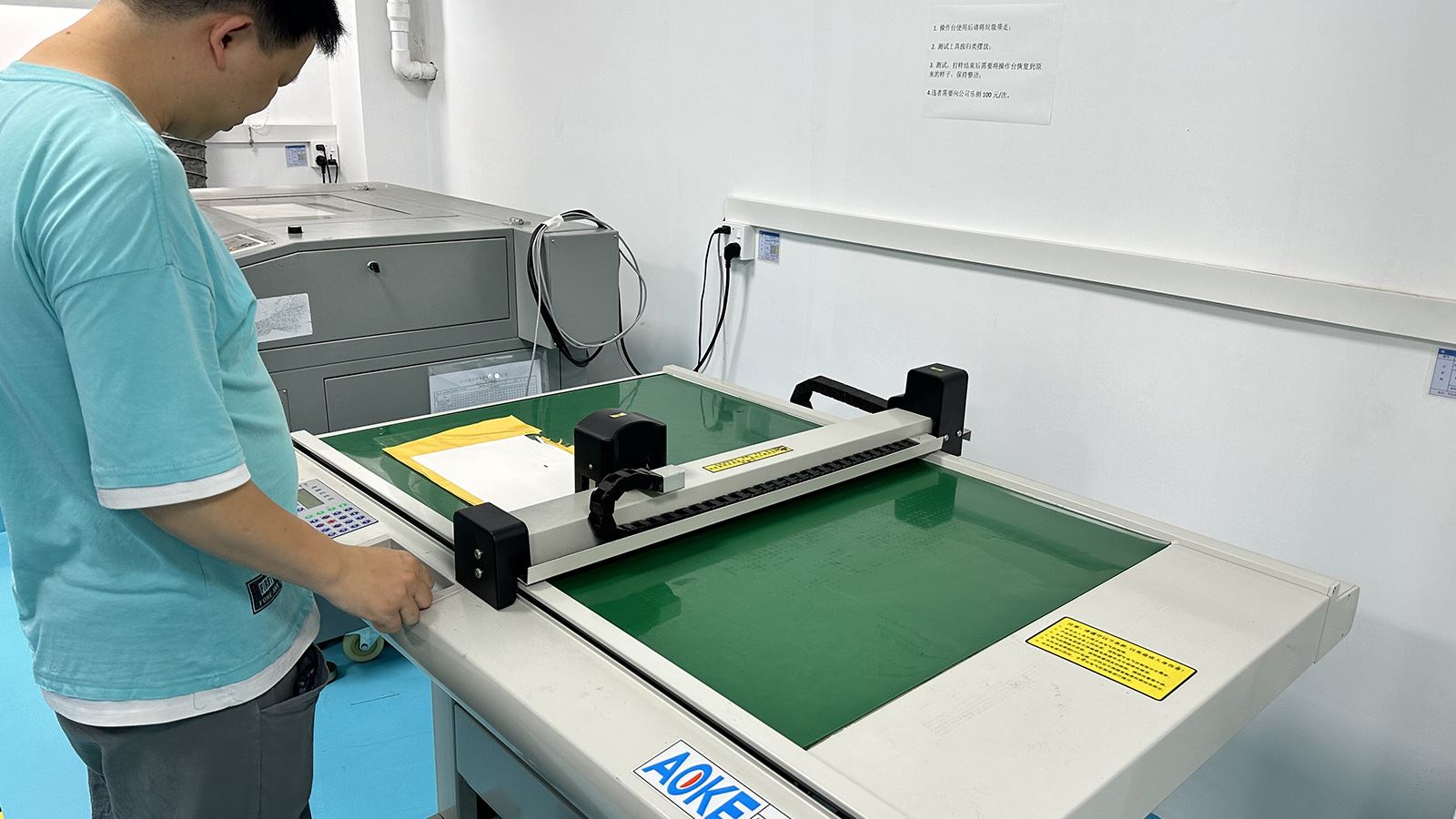
Die Cutting
Flat-bed, rotary and laser cutting from drawing to ready-to-install parts.
Service detailsHow a converted part arrives: rolls sealed individually, parts bagged and counted, multi-part kits assembled and labelled, presented the way receiving or your own customer expects.
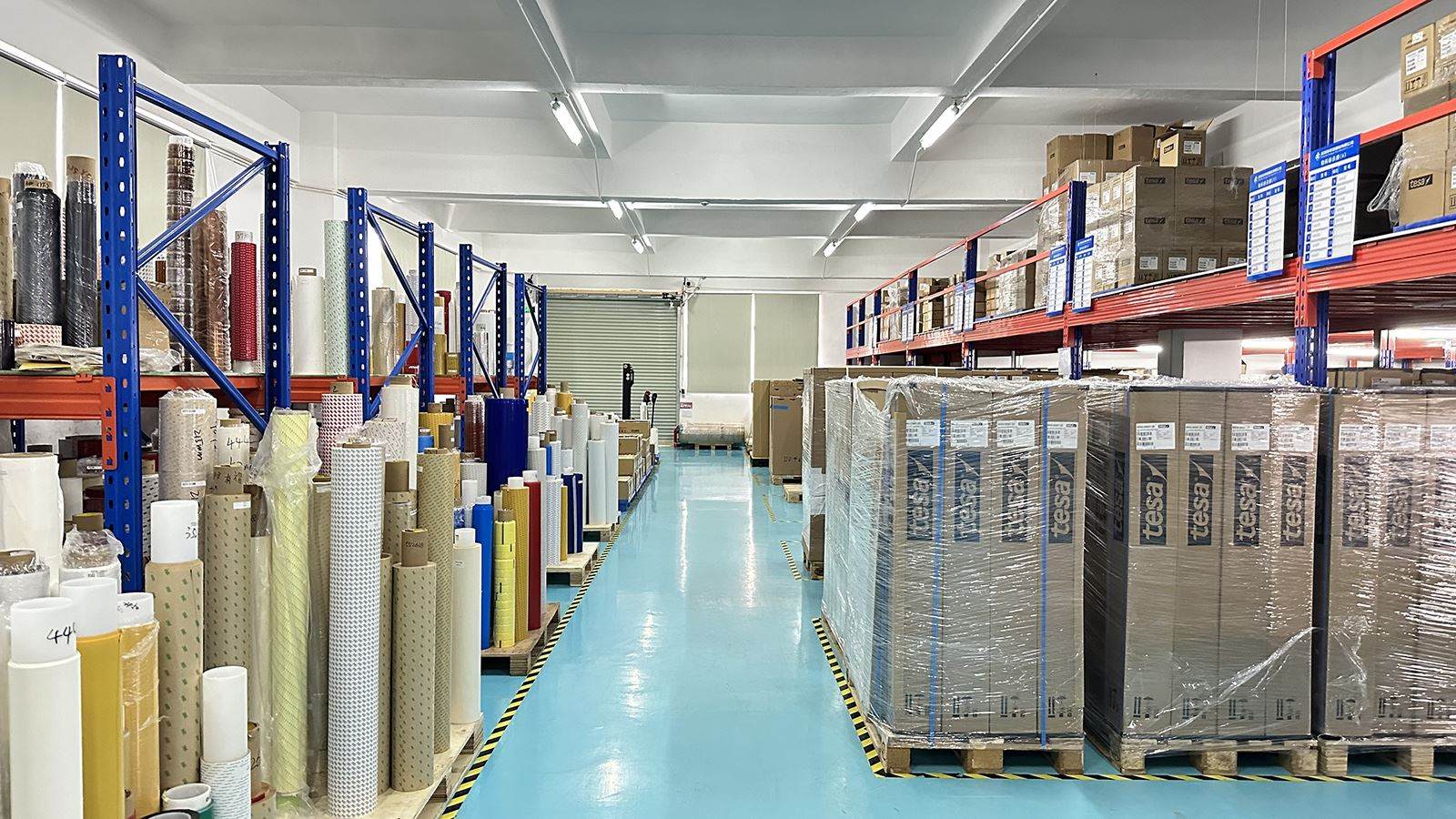
A converted part is only usable if its pack lets it be used. Receiving has to verify it without opening boxes, a line has to issue it without counting pieces, and a shelf has to present it without somebody applying a sticker by hand. Those are three different packs, and they are designed here rather than chosen from a stock list at the end of a run.
Kitting is where the packaging decision stops being cosmetic. A kit in consumption order removes a counting step and a sorting step at the station, which is a labour saving the unit price of the part hides. The cost of getting it wrong is also paid at the station rather than in the factory, which is why presentation is agreed before production.
Individual rolls sealed so they reach a shelf or a line without handling damage.
Fixed counts per bag so a line issues a kit without counting at the station.
Multi-part sets assembled in consumption order and labelled by station.
Loose parts packed in the quantity and box the process needs.
Your artwork and handling marks on the pack rather than a sticker applied to it.
Part name, drawing revision, lot and quantity on every pack.
What sits behind the service page, stated the same way as on the plant page, so a capacity claim can be checked in one place rather than in five.
Fixed counts per bag so a station issues a kit without counting at the bench.
Individual rolls sealed against handling damage, dust and moisture.
Multi-part sets built in consumption order and labelled by station or by product.
Artwork, barcode and handling marks checked before a run, so the label scans at the destination.
Load building with the marking and protection the route and the destination require.
| Specification item | How it gets confirmed |
|---|---|
| Count per pack | Pieces or metres per bag, per box and per pallet, fixed in writing on the order. |
| Labelling content | Part name, drawing revision, material, lot, quantity and the barcode your system reads. |
| Bag and box grade | Thickness, sealing method and box strength chosen against the part and the route. |
| Kit definition | Which parts, in what ratio, and whether a kit is per product or per shift. |
| Pallet pattern | Box size, layer pattern, height and strapping agreed against unloading at the destination. |
| Returnable or one-way | Whether the pack comes back, which changes everything about its specification. |
Nothing in this table is a standing promise. It is the list we work through with you; the answers end up in the quotation and on the work order.
Agree how the pack is opened, counted and put away at the point of use.
Choose bag, box, count and labelling against the part and the shipment.
Pack a trial quantity and check protection, legibility and the count.
Pack, label, palletise and ship with the documents for the order.
Send what you already have. A partial list still gets a useful answer, and whatever is missing simply becomes the question we ask back.
Sampled counts checked during packing, so a printed number on a bag means something.
Barcode readability and label content checked against your specification before shipment.
Seal integrity, box condition and pallet marking inspected before the container is loaded.
Freight term, routing and destination charges are stated on the quotation. The logistics notes and the technical guides explain how each of those lines is worked out.
The material list is a guide. Send the grade or performance requirement and we will confirm compatibility with the cutting route.
Flat-bed, rotary and laser cutting from drawing to ready-to-install parts.
Service details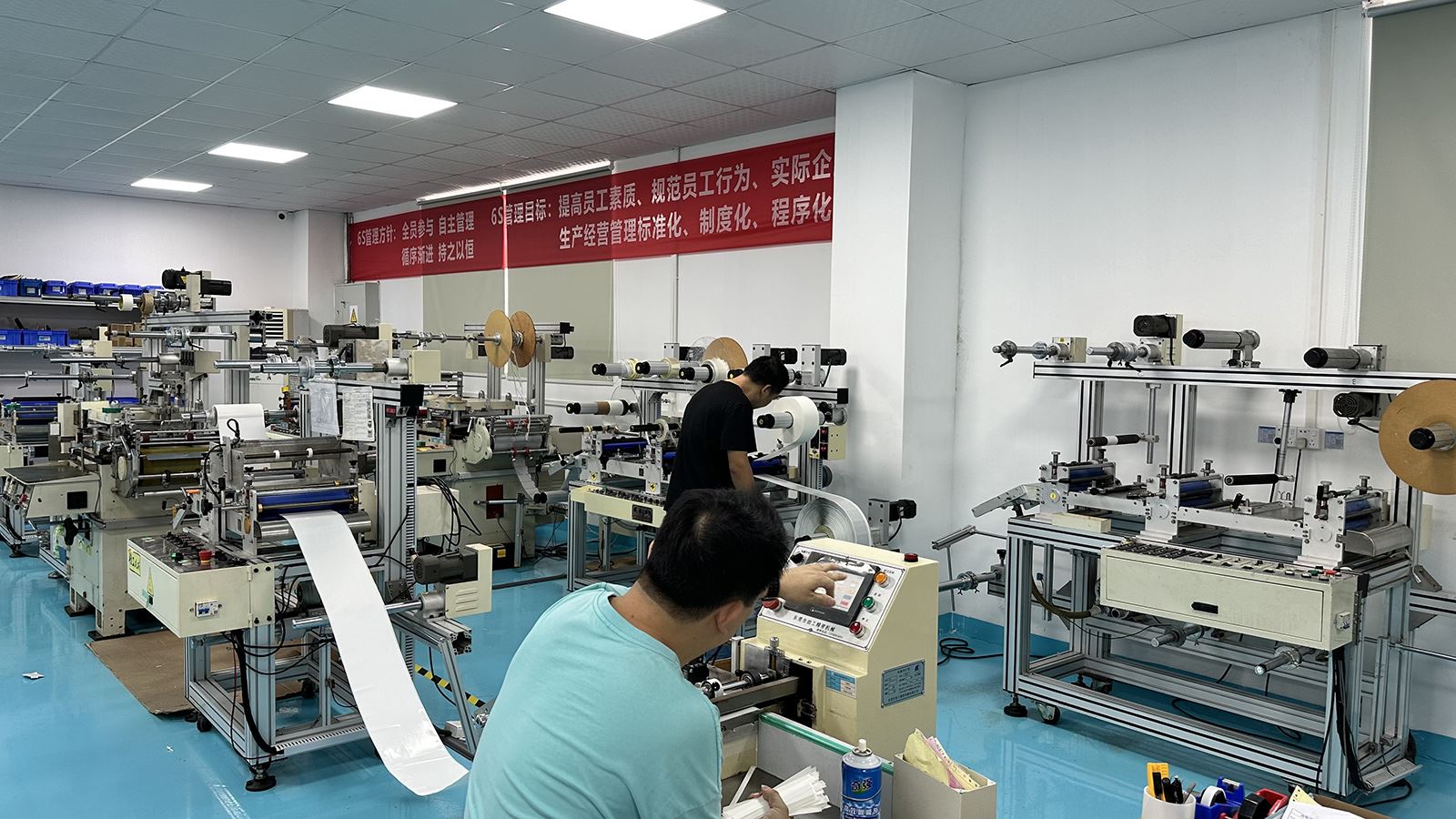
Custom widths, spooling and tension-controlled rewinding from jumbo rolls.
Service details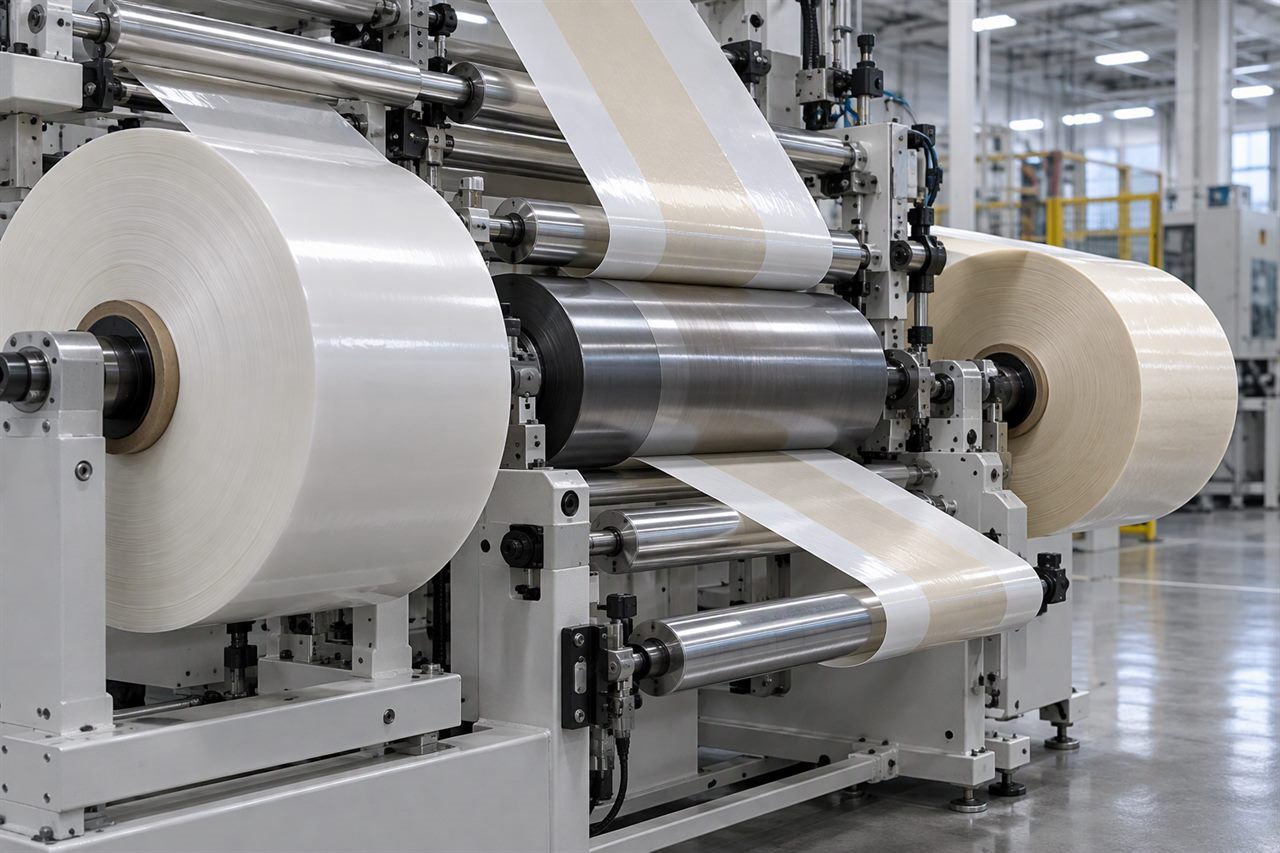
Tape + foam, film, liner and multi-layer adhesive constructions.
Service details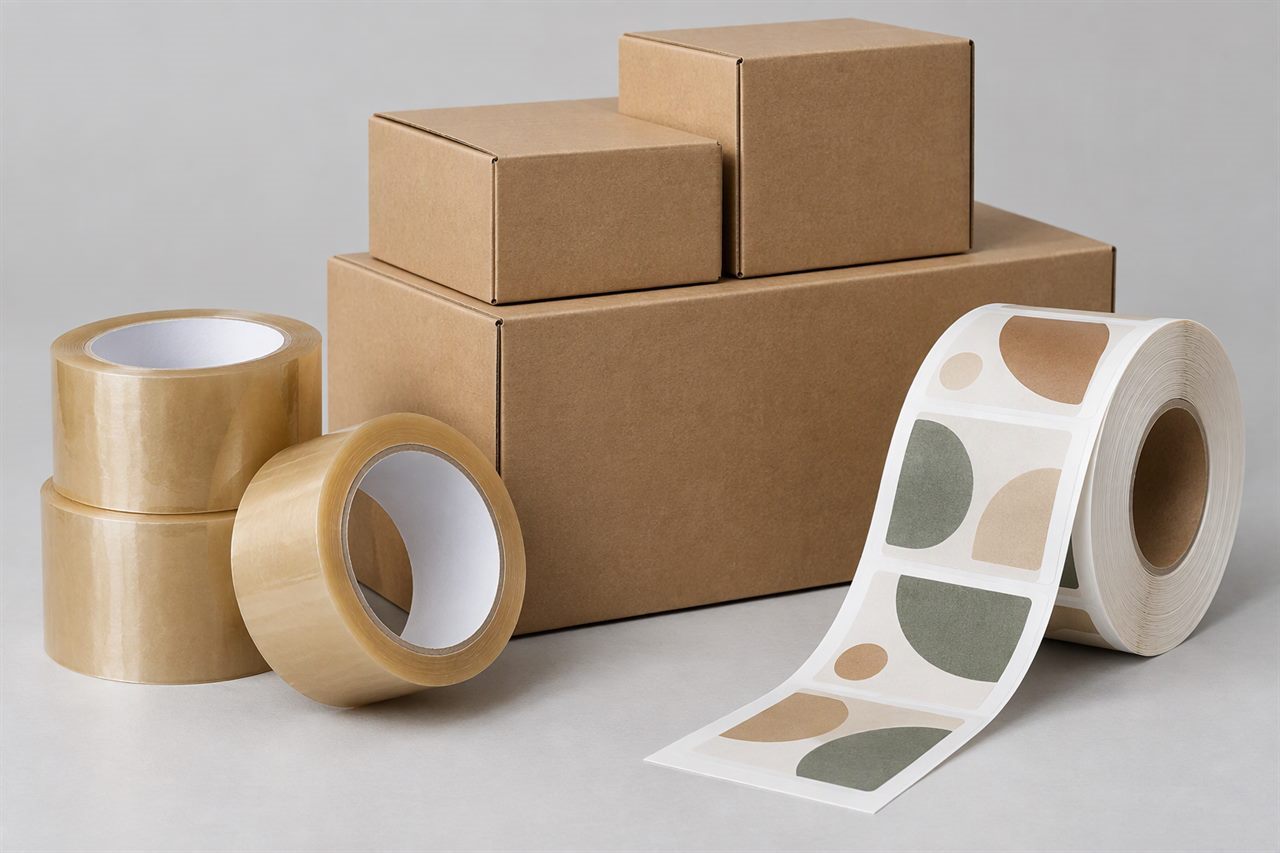
Private-label rolls, printed tape, custom packaging and kitted supply programs.
Service details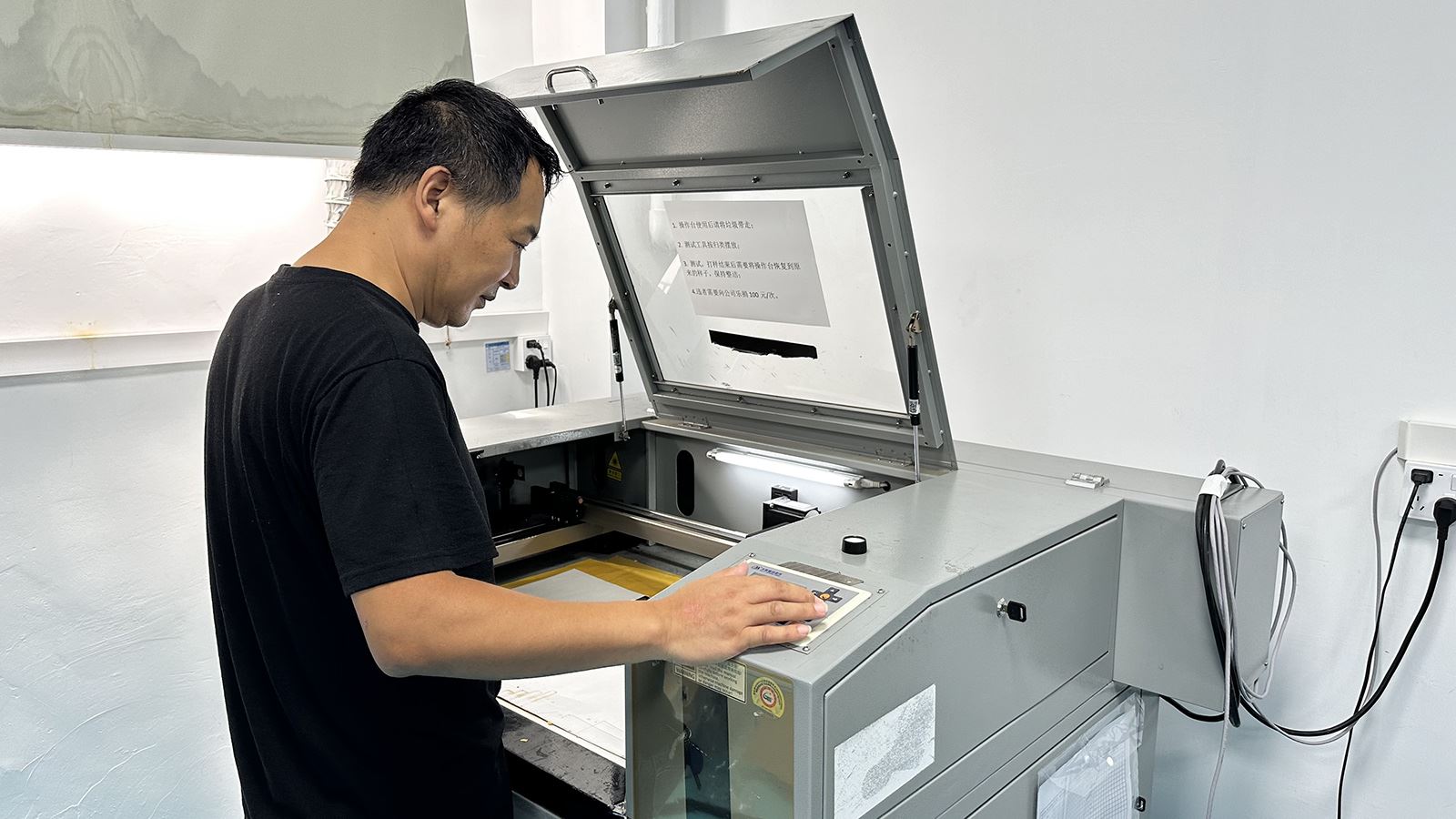
Material selection, prototyping and supply programs for new projects.
Service detailsTape and laminate converted to sheets in a stated width and length, loose or on a liner.
Service detailsFlexographic printing on tape backs, liners, cores and packaging for identification and branding.
Service details
Rolls spliced and wound onto one core so an automated line runs without a roll change.
Service detailsSmall or soft parts built into a layer and presented in position, so an assembly places in one step.
Service detailsSend the drawing and the problem. We will review the material, liner and cutting route before quoting.