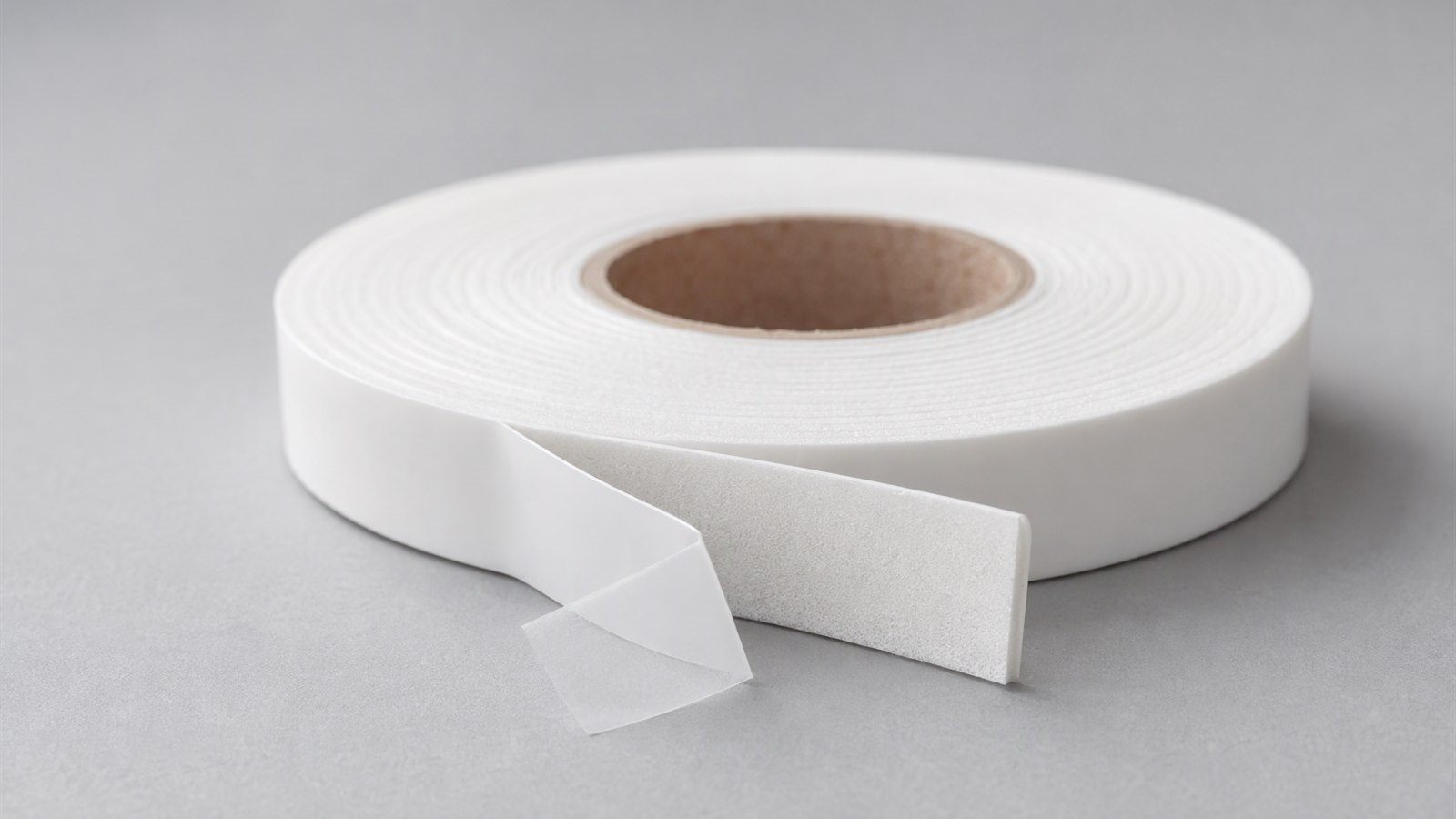
Foam Tape
Acrylic foam, PE foam and VHB-style tapes for exterior trim, panels, glazing and appliance bonding.
View productPET, non-woven, transfer and tissue tapes for electronics, automotive and appliance assembly. We supply tesa, 3M and Sekisui materials, convert them in-house, and ship die-cut parts ready for your line.
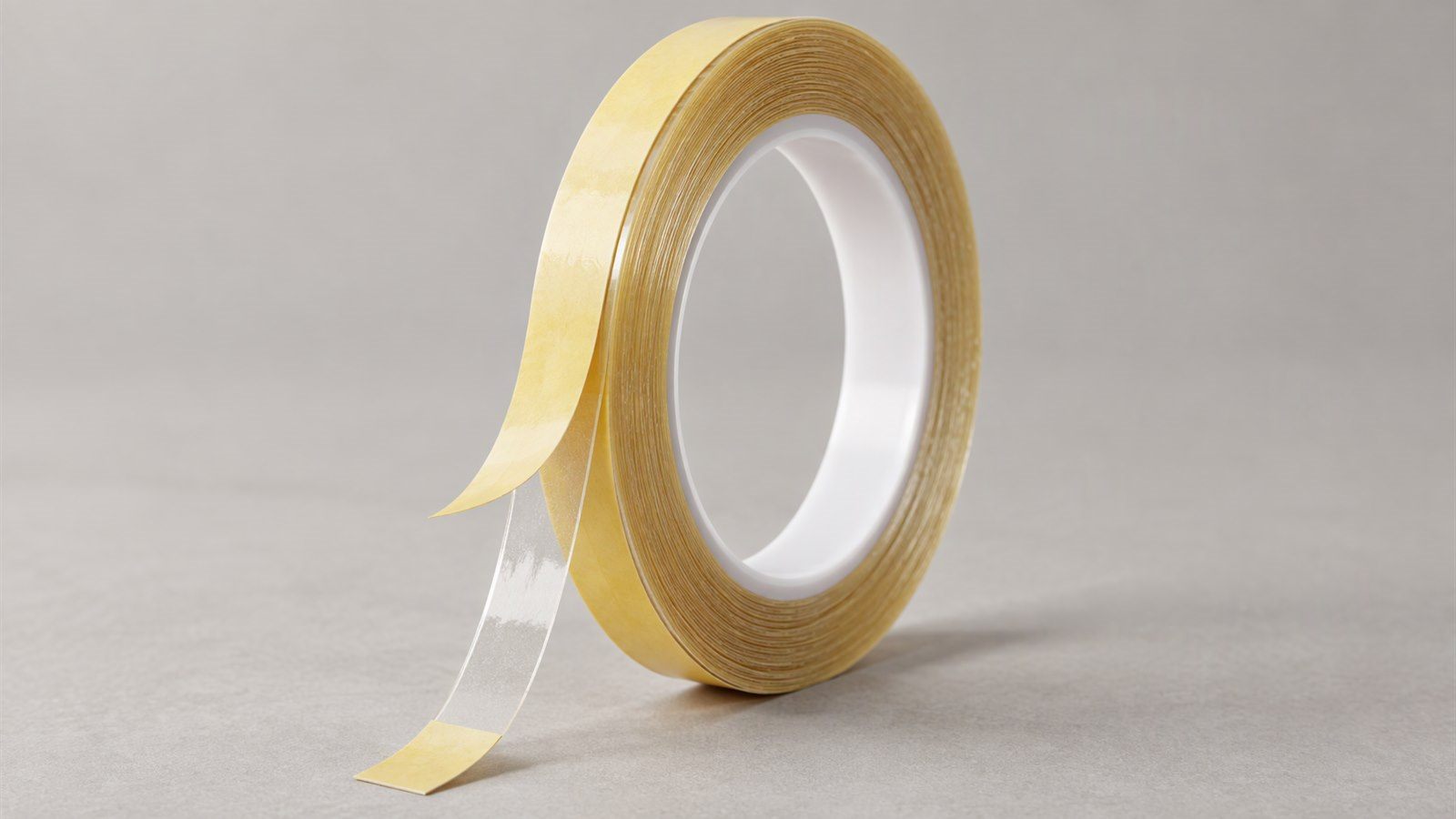
PET, non-woven, transfer and tissue tapes for electronics, automotive and appliance assembly. We supply tesa, 3M and Sekisui materials, convert them in-house, and ship die-cut parts ready for your line.
Typical build-up for this product family. Layer order, carrier and thickness vary by grade.
| Layer | Typical material |
|---|---|
| Release liner | PET film, 25–100 µm |
| Adhesive | Acrylic or rubber, 10–60 µm |
| Carrier | PET film, non-woven or tissue |
| Adhesive | Acrylic or rubber, 10–60 µm |
| Release liner | PET film or glassine |
High temperature resistance, dimensional stability and clean die-cutting. Common for display, battery and FPC assembly.
Conformable carrier for general assembly, appliance and automotive interior applications.
Very thin bond lines for display modules, FPC reinforcement and precision electronics.
Cost-effective general-purpose bonding for packaging, printing and light assembly.
Low fogging and low odour grades for automotive interior and enclosed appliance assemblies.
Halogen-free options for battery, appliance and transportation applications.
A thick, clear acrylic mounting tape for hooks, trim, signage and light fixtures on painted wall, glass, tile and metal. It is specified where the bond has to come apart cleanly, or be repositioned, instead of being permanent.
Carrier-free acrylic transfer grades that hold tab protection wires and leads during battery assembly. The series named on your drawing is confirmed against channel availability at quotation.
Values are typical and grade dependent. Confirm the final specification on the TDS for your selected product.
A family is not a product. These are the questions that narrow it down to one construction, in the order we ask them.
Glass, painted metal and PET wet out easily; polypropylene, polyethylene and textured powder coats do not. The low-energy side of the joint decides the adhesive chemistry long before thickness does.
A panel that hangs on the tape needs shear strength; a flap that gets lifted at one edge is a peel problem; a part pulled perpendicular is cleavage. The failure mode you cannot accept is the one to design against.
Carriers add handling and bridging, transfer tapes remove them. Where two parts must sit flush or an optical stack has a height budget, the thinner bond line wins even when the roll costs more.
Initial tack is measured on day one; the joint is audited after aging. Sustained heat, damp heat and UV change acrylic and rubber adhesives in different directions, so the service temperature matters more than the peak temperature.
A part that is assembled permanently and a part that is serviced at end of life need different adhesives. Deciding that now avoids a redesign later.
Rolls, slit rolls, die-cut parts on a slit liner and spools are all double-sided tape. Presentation decides line speed, so it belongs in the material conversation, not at the end of it.
| Construction | Usual reason to choose it | What to check first |
|---|---|---|
| PET carrier acrylic | Dimensional stability, clean die-cut edges and heat resistance in electronics and battery assembly. | Rough or warped surfaces can bridge; verify wet-out on your real panel. |
| Non-woven acrylic or rubber | Conforms to textured and slightly irregular surfaces in appliance and automotive interior work. | Lower sustained heat and chemical resistance than PET grades. |
| Transfer tape (no carrier) | The thinnest bond line, no carrier edge to show through, useful under optical stacks and FPC reinforcement. | Needs a liner to handle; check pick-up method on your feeder. |
| Tissue carrier | Light bonding, splicing and packaging work where cost per square metre decides. | Moisture and long-term heat are the limits; fibres can tear on removal. |
| Low-VOC / low-fogging grade | Enclosed automotive and appliance interiors where the OEM measures fogging and odour. | Ask which OEM test the grade was run against, not only that it is low-VOC. |
| Flame-retardant grade | Battery, appliance and transport applications with a flammability requirement. | Confirm the listing, standard and thickness the certificate was issued against. |
| Nano / clear acrylic mounting tape | A thick, soft, transparent bond line that fills small gaps on tile, glass, painted wall and metal, and is expected to come apart or be repositioned. | Surface texture and whether the part carries shear or its own weight; a smooth, clean surface is what makes clean removal possible. |
| Battery tab holding transfer tape | Pre-tack for tab protection wires and leads during assembly, with no carrier in the joint. | Release behaviour at the placement station and whether the piece is picked or peeled; the series on your drawing is confirmed against channel availability. |
Every row is a starting point for a test, not a promise about your joint. The third column is the part that usually decides the outcome.
These are the items a quotation has to settle before material is cut. Each one is confirmed against your order, so no figure on this page is a standing commitment.
| Specification item | What we confirm |
|---|---|
| Grade or construction | The carrier, adhesive chemistry and total thickness you want, or the brand grade you hold so we can read the construction back to you. |
| Format | Jumbo roll, slit roll, die-cut part on liner, spool or individual pieces. Format and quantity are quoted together. |
| Width and length | Target slit width and metres per roll, with the roll outer diameter your applicator or dispenser can take. |
| Core | One-inch and three-inch cores are the usual formats; larger cores and spool bodies are available for automated feed. Confirm the core your equipment accepts. |
| Liner and release | PET or glassine, slit or extended liner, release level matched to your pick-up method. |
| Winding direction | Which side faces out and where the tail sits, so the part feeds the way your line expects. |
| Splices and tolerance | The splice policy and the width tolerance you need, stated against the order rather than a generic figure. |
| Batch marking | Roll label content, lot coding and the traceability records that go with the shipment. |
| MOQ and timing | Sample rolls of standard grades are available. Production quantity, tooling and dates are confirmed at quotation once the material and format are fixed. |
| What gets verified | How it is measured |
|---|---|
| Peel adhesion | Recorded at a defined angle and speed on the substrate you actually bond to, so the number means something against your joint. |
| Static shear | A loaded sample at temperature; it is the test that separates an adhesive that holds a panel from one that only grabs well on day one. |
| Aging | Damp heat and elevated temperature exposure followed by a re-test, which is how a tropical production line judges the bond after assembly. |
| Removal | Residue and substrate damage after dwell, checked on your surface rather than on a clean test panel. |
Ask for the method and the condition, not only the number: the same material reads differently on a clean test panel and on a part from your line.
Freight term, routing and destination charges are stated on the quotation. The technical guides and the logistics notes explain how each line is derived.
tesa 4965 / 88661 / 88665 · 3M 9495 · 3M VHB RP+ series · Sekisui double-sided tapes
Acrylic foam, PE foam and VHB-style tapes for exterior trim, panels, glazing and appliance bonding.
View product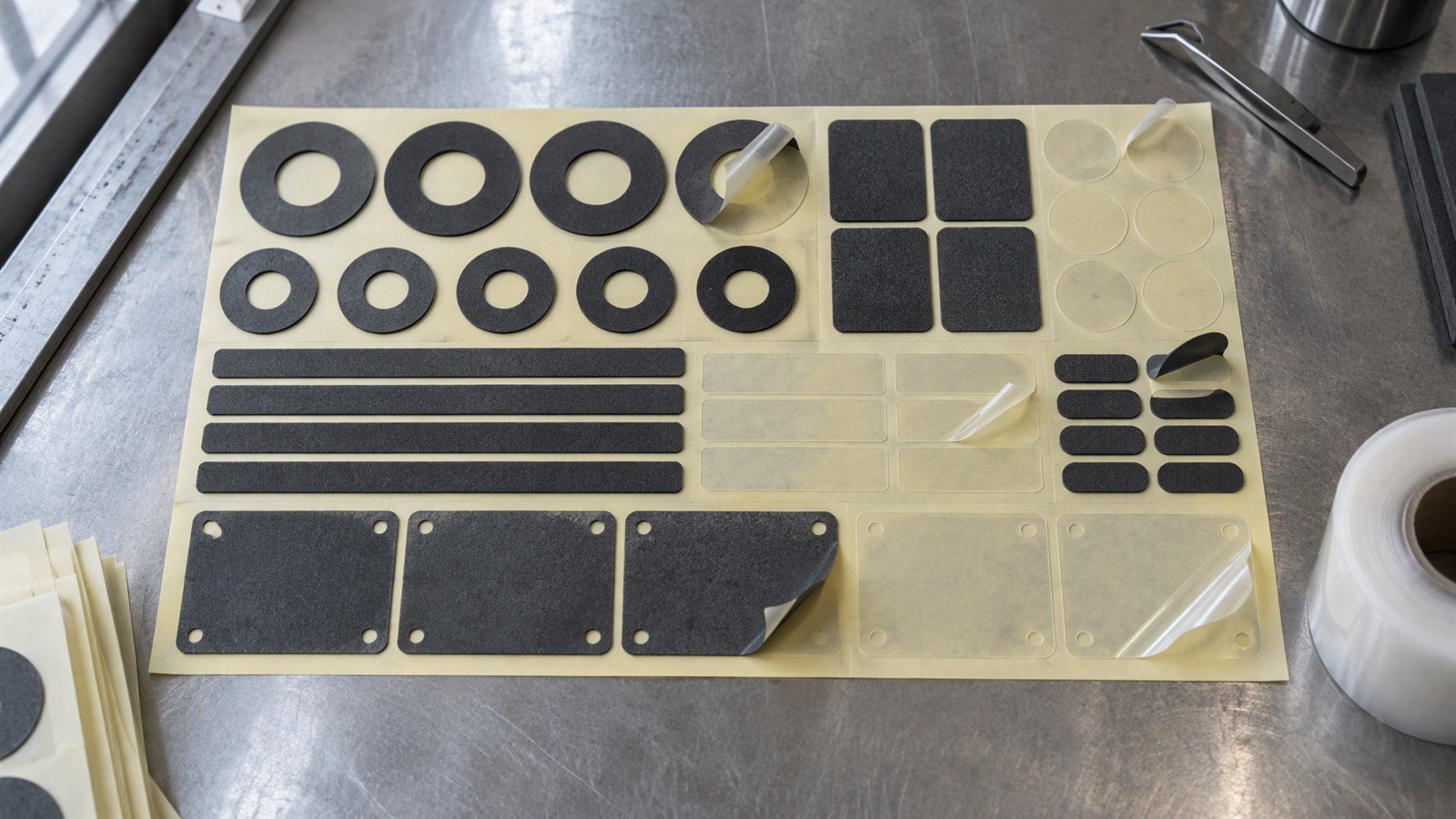
Custom adhesive parts from drawing to ready-to-install: flat-bed, rotary, laser cutting and kitting.
View product
Conductive, polyimide, aluminum foil and thermal tapes for grounding, shielding, insulation and high-temperature protection.
View productSend a drawing or a dimensioned photo. We will confirm material, tooling route, tolerance and lead time.