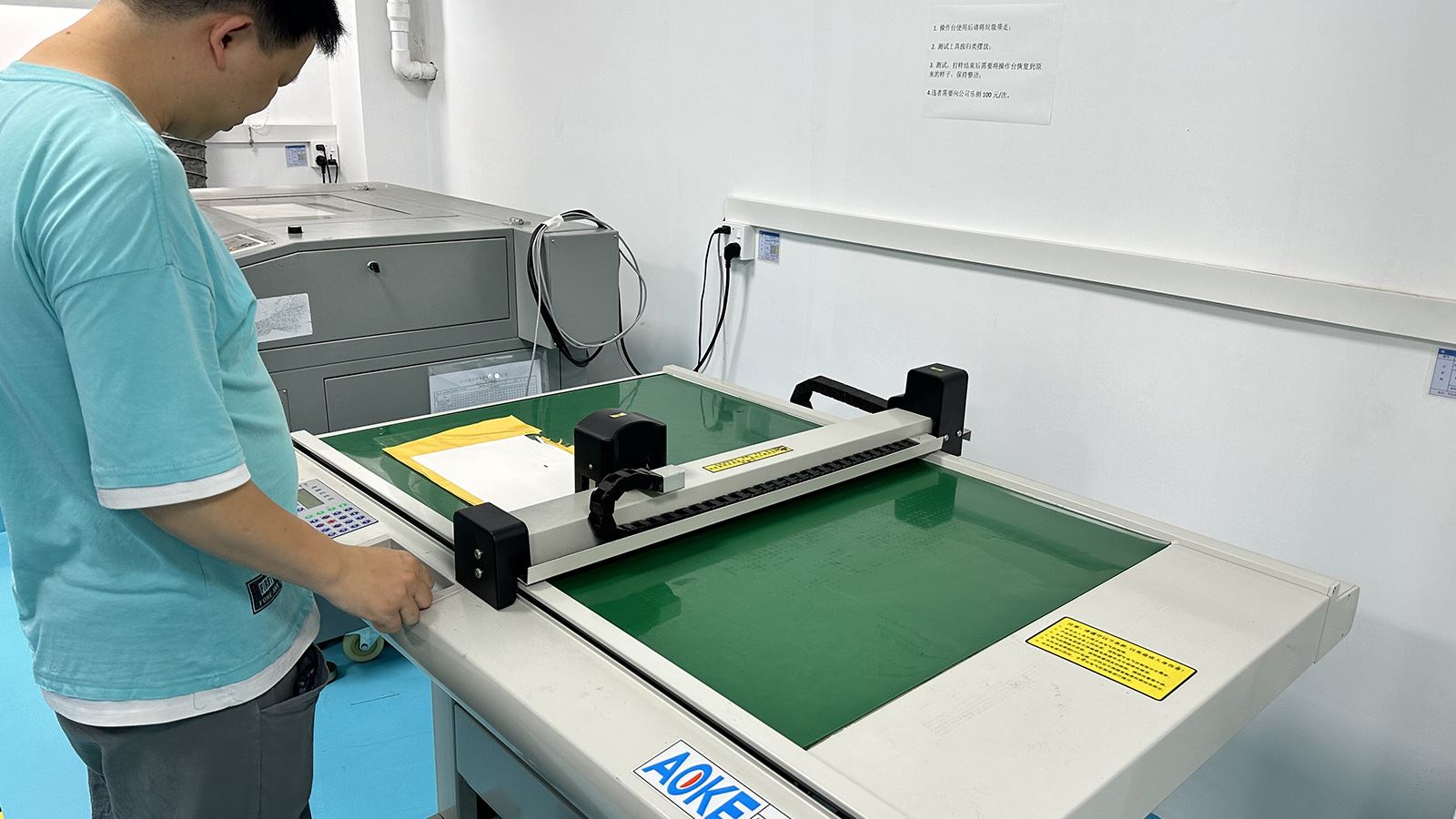
Die Cutting
Flat-bed, rotary and laser cutting from drawing to ready-to-install parts.
Service detailsPrinting on the tape itself and on what it is wound around: logos, part numbers, handling text and identification marks, delivered as slit rolls ready for the line.
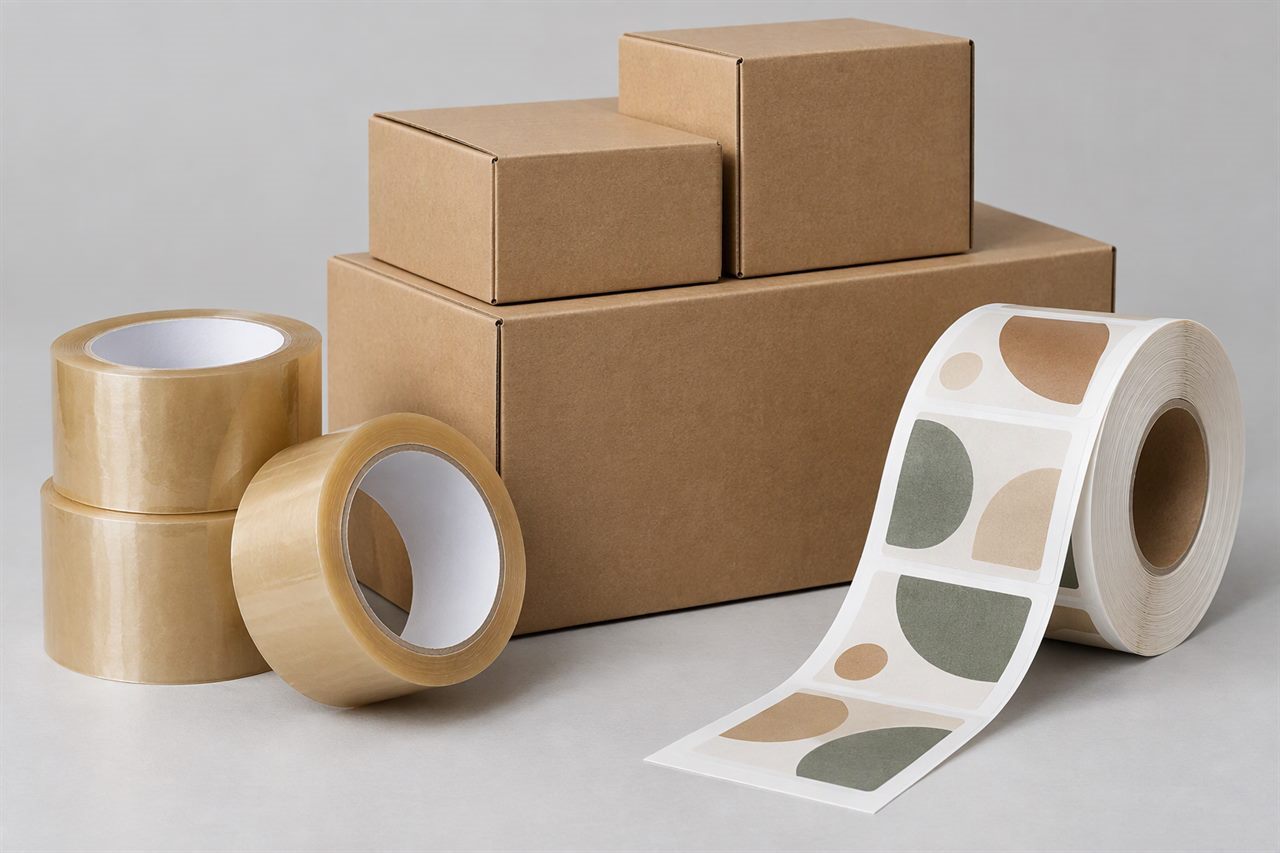
A label stuck on a core falls off in transit, an inkjet line smears when the roll is handled wet, and a product that needs identification on every metre of tape cannot be marked by hand at the speed it is wound. Printing on the backing, the liner or the core is the version of marking that survives the process it belongs to.
It is also the part of converting where artwork approval really matters. The material and the width can both be right and the pack still fails, because a logo that prints cleanly on one carrier becomes unreadable on another. That is why a printed sample on the actual material is part of the sequence rather than an optional extra.
Logo, text and identification printed on the non-adhesive face of the tape.
Printed positions on the liner so a part can be identified or released at the right place.
Customer identification on the core instead of a sticker applied to it.
Bags, cartons and labels carrying brand and handling information.
Sequential marks, colour bands, pictograms and handling symbols.
Proof, colour approval and a printed sample before the full run.
What sits behind the service page, stated the same way as on the plant page, so a capacity claim can be checked in one place rather than in five.
Printing on the backing face with water-based or UV ink systems, positioned so the ink never meets the adhesive.
Printed positions on the liner, used for identification and for release marks at a defined point.
Brand and handling information produced on the pack itself instead of an applied label.
Printed stock slit to the delivery width, so the repeat length stays registered on the roll.
| Specification item | How it gets confirmed |
|---|---|
| What is printed and where | Face, position across the width and repeat length, taken from the artwork rather than described in words. |
| Colour reference | The colour stated as a reference and approved on a printed proof, because the same ink reads differently on different carriers. |
| Ink system | Water-based or UV, chosen against what the tape meets after printing: handling, solvents, moisture or abrasion. |
| Legibility at size | The smallest text and the finest line that will hold on that carrier at that repeat. |
| Adhesive protection | Print stays on the non-adhesive face, so the bond is never asked to tolerate ink. |
| Approval record | Proof, sample and artwork version kept on file, so a repeat order matches the pack you approved. |
Nothing in this table is a standing promise. It is the list we work through with you; the answers end up in the quotation and on the work order.
Send the file with the colours and the position on the tape.
We prepare the print route and issue a proof for approval.
A run on the actual material checks legibility, adhesion of the ink and rub resistance.
Print, slit to width, inspect and pack with the approved artwork on file.
Send what you already have. A partial list still gets a useful answer, and whatever is missing simply becomes the question we ask back.
A signed colour and layout proof before material is committed to a run.
Printed samples tested against the handling the pack actually meets.
Repeat position checked after slitting, because the cut is where a print can drift.
Freight term, routing and destination charges are stated on the quotation. The logistics notes and the technical guides explain how each of those lines is worked out.
The material list is a guide. Send the grade or performance requirement and we will confirm compatibility with the cutting route.
Flat-bed, rotary and laser cutting from drawing to ready-to-install parts.
Service details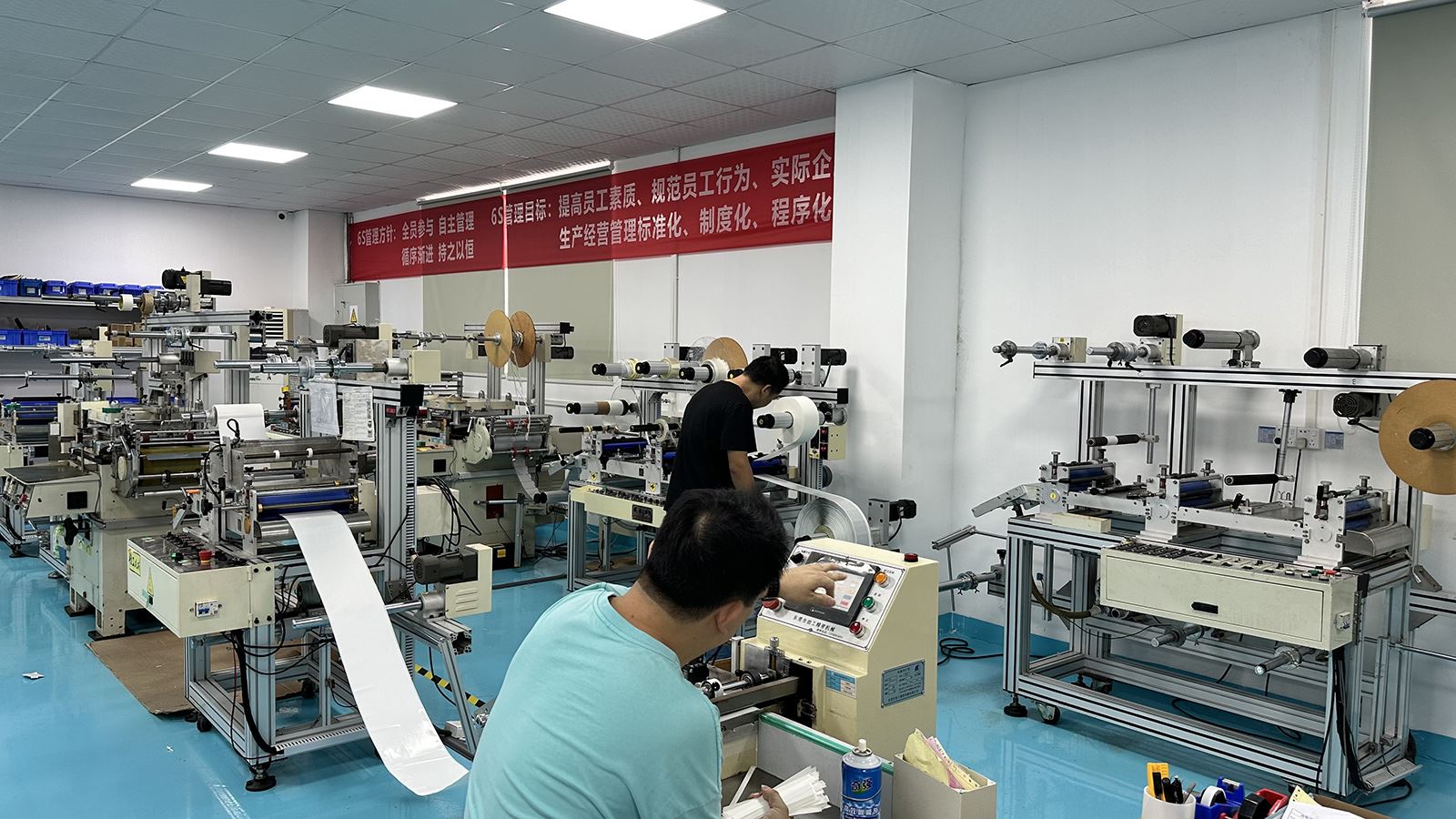
Custom widths, spooling and tension-controlled rewinding from jumbo rolls.
Service details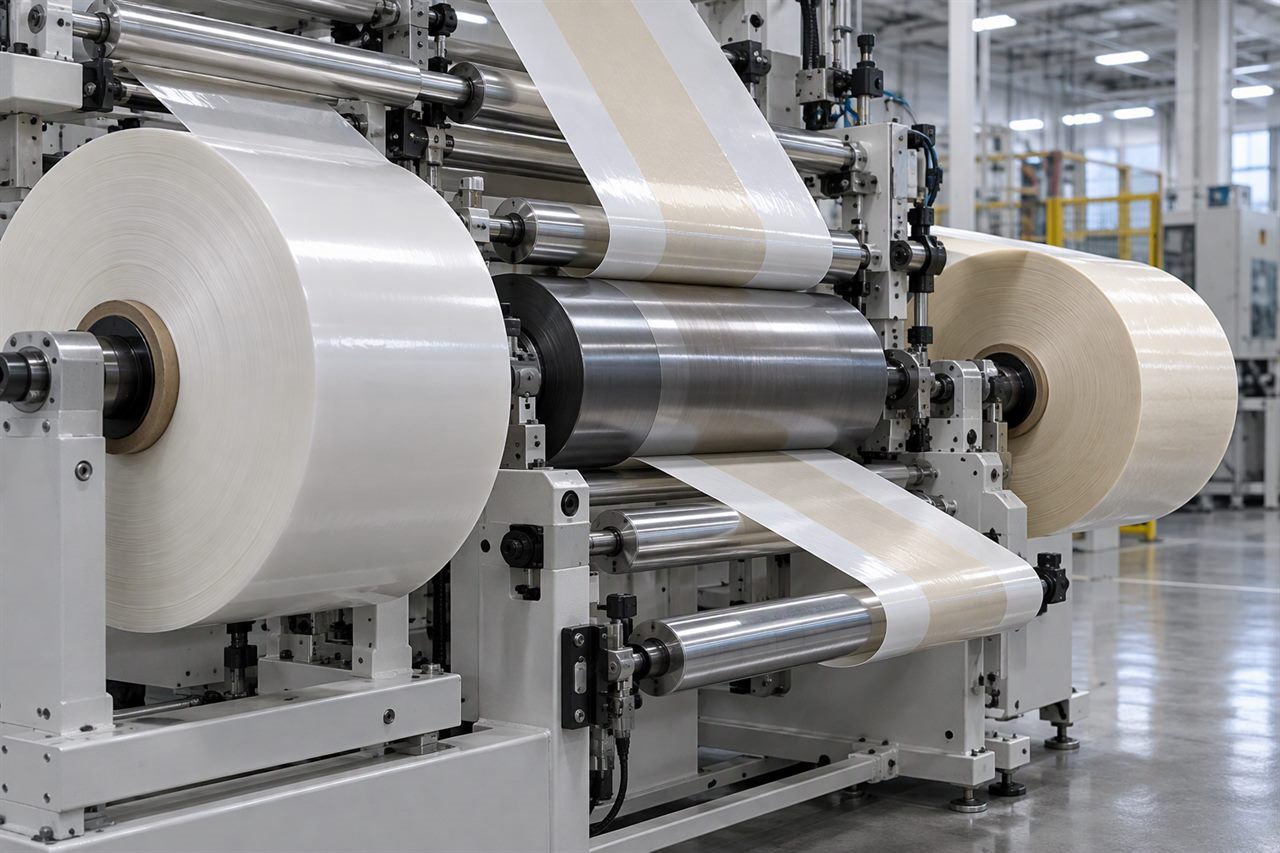
Tape + foam, film, liner and multi-layer adhesive constructions.
Service detailsPrivate-label rolls, printed tape, custom packaging and kitted supply programs.
Service details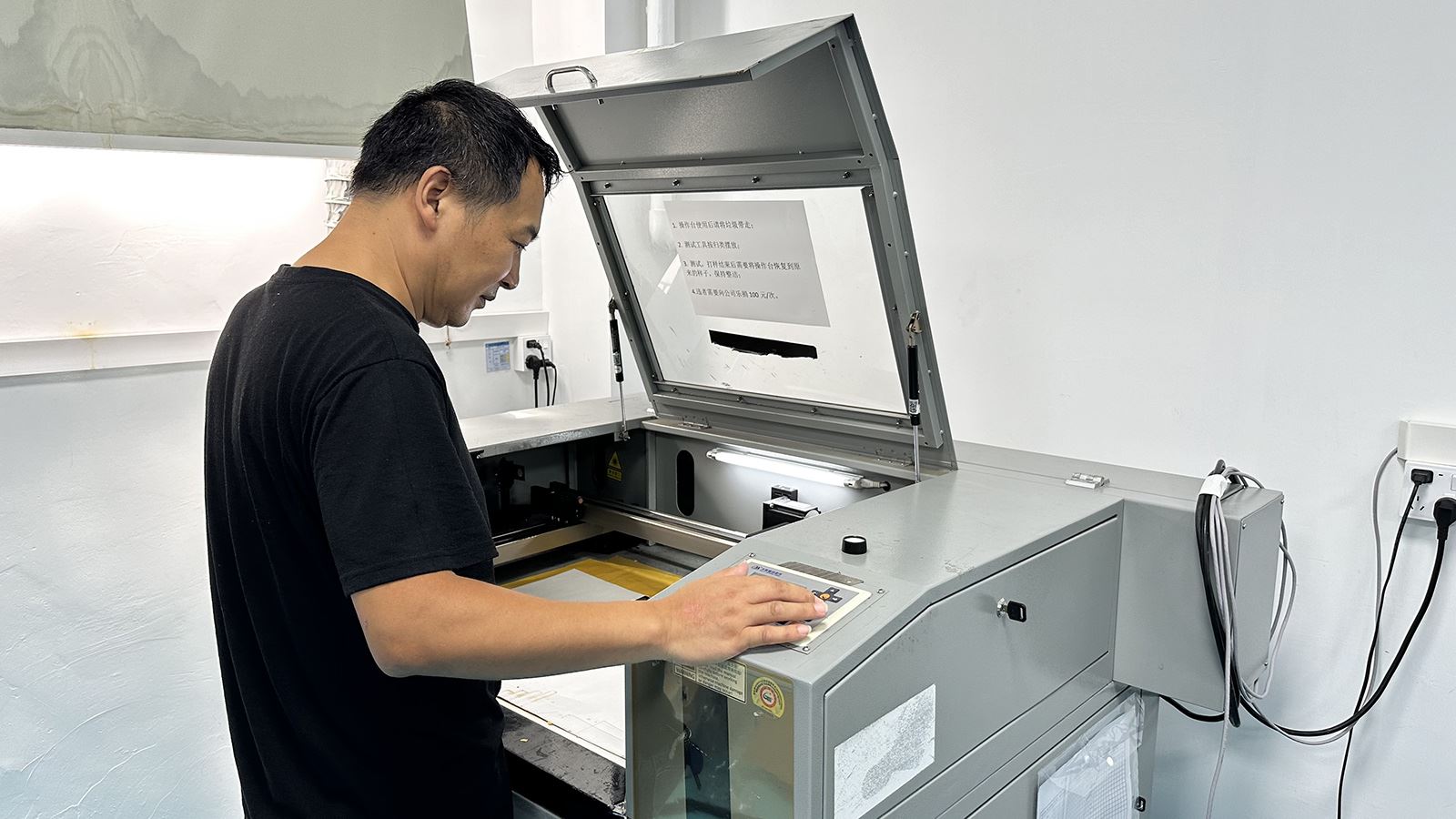
Material selection, prototyping and supply programs for new projects.
Service detailsTape and laminate converted to sheets in a stated width and length, loose or on a liner.
Service details
Rolls spliced and wound onto one core so an automated line runs without a roll change.
Service details
Shrink-sealed rolls, bagged and counted parts, kitted sets and custom printed cartons.
Service detailsSmall or soft parts built into a layer and presented in position, so an assembly places in one step.
Service detailsSend the drawing and the problem. We will review the material, liner and cutting route before quoting.