Request a Quote
Send the application, material preference and volume. We will confirm the grade, tooling route, tolerance and lead time in one reply.
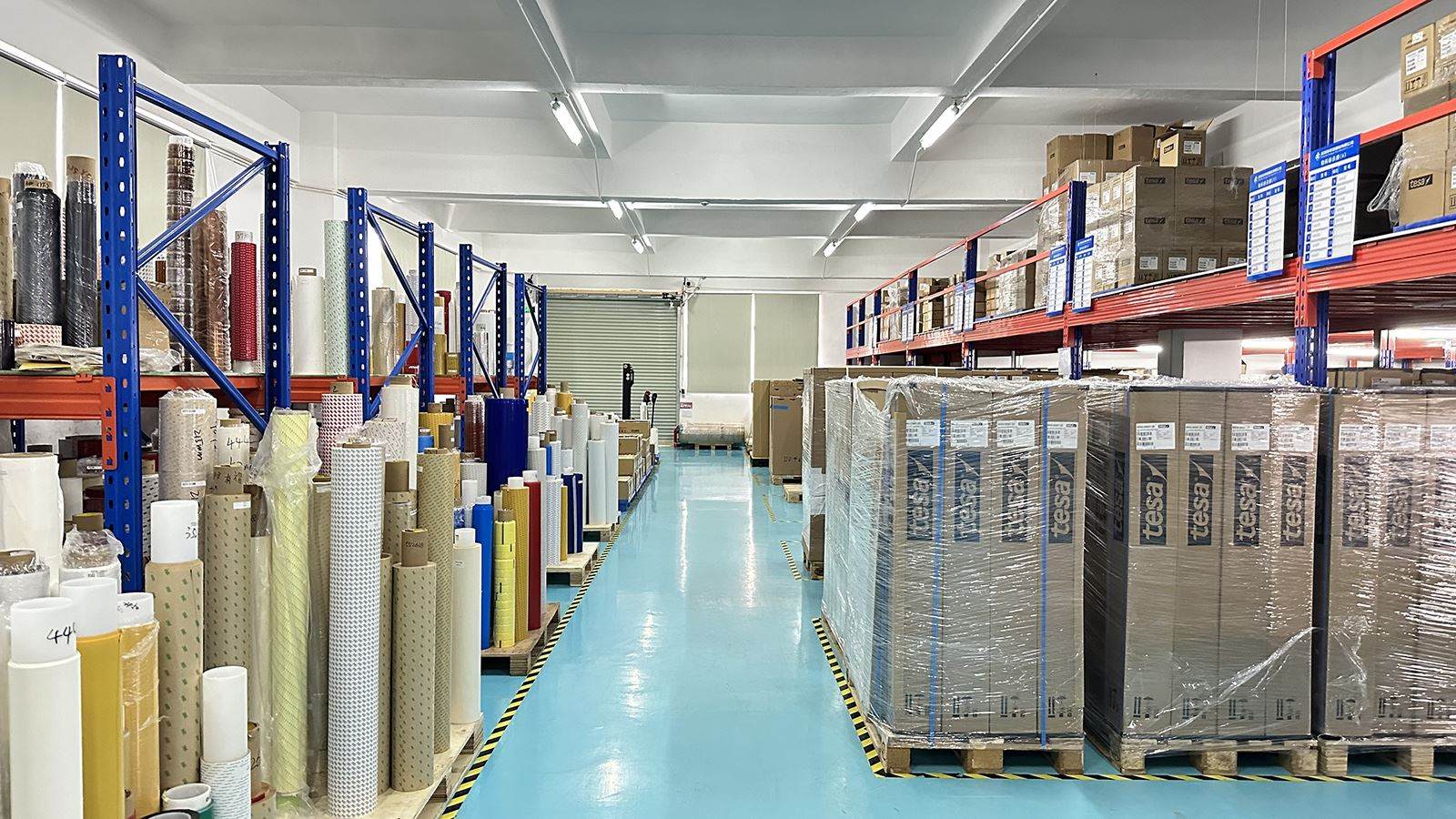
What to include
The more of this you can share, the faster we can quote without a second round of questions.
- Drawing in PDF plus DXF or STEP if available
- Material and thickness, or the performance requirement
- Substrates and surface finish
- Annual and first-order quantity
- Tolerance and any critical dimension
- Temperature, humidity and UV exposure
- Destination country and preferred Incoterm
What happens next
Review
We check the drawing and application, then ask only the questions that change the quote.
Proposal
Material options, tooling cost, unit price and lead time, with documents for the proposed grade.
Sample
A roll or first article for fit and function testing before you commit to production.
Production
After approval, production with inspection and export packing.
Quote request
Fields marked * are required.
What a quotation from us contains
A quote is only useful if it separates what is fixed from what is still open. This is the line-by-line structure we reply with.
The commercial numbers on this site are deliberately blank. Minimum quantity, lead time, tolerance and payment terms are confirmed against a drawing, a volume and a destination, and a published figure would be a promise we have not earned yet.
What a quotation does contain is the construction, the cutting route, the tolerance source and the list of items still open. That is enough to take to a purchasing or engineering review.
| Line item | Fixed in the quotation | Still open until production is agreed |
|---|---|---|
| Material | Brand, grade, carrier, adhesive family and total thickness | Batch colour variation and any substitution, which is treated as an approval event |
| Part and tolerance | Dimensions taken from your drawing, with the tolerance source named | Achievable tolerance on your specific construction, confirmed on the first article |
| Tooling | The route chosen — flat-bed, rotary, CNC or laser — and its cost stated separately | Whether tooling is owned by you or held by us, and its lead time once approved |
| Presentation | Roll, sheet, cut part, on liner, kitted; liner and core specified | The line-side handling detail that changes the format |
| Quantity and price | Unit price at the stated volume, and the price breaks around it | Minimum order quantity, which follows the material lot and the tooling route |
| Delivery | Where the goods transfer to you, the Incoterm quoted and the destination port assumed | Lead time, which is committed after the first article and the material lot are fixed |
| Documents | Which TDS, MSDS, compliance and inspection records are issued for the quoted grade | Any certificate that needs checking with the material supplier or brand owner first |
The six inputs that make the first reply a quote
- The drawing in PDF, plus DXF or STEP when the part is die-cut
- The material or the performance requirement, and the thickness you are working to
- The two substrates and their finish, including powder coat, anodising or release treatment
- Annual quantity and the first-order quantity, separated
- The critical dimension and where the tolerance comes from
- Destination country, preferred Incoterm and the documents your quality file needs
Four ways a quote can come back
One material, quoted
The requirement points to a single construction. The quote names it, prices the tooling separately and states what the first article will confirm.
Two or three options with the trade-off
Where adhesion fights removability, or thickness fights cost, you get the options with the reason each one fits and what would rule it out.
Toll converting on your material
When you supply the roll, we quote the converting only. The limits travel with it: incoming material variation is outside our control, and the report says what the material did.
Not feasible, with the reason
Sometimes the honest answer is that the construction, the tolerance or the volume does not work here. We say so at quotation rather than after a sample cycle.
Questions that change the price
Worth knowing before a target cost is set, because each one moves the quotation independently of the adhesive.
| Driver | Why it moves the number | How to control it |
|---|---|---|
| Tolerance source | A tolerance held to a drawing dimension needs a different cutting route and inspection effort than a nominal cut | Mark only the dimensions that actually matter as critical |
| Tooling route | Flat-bed tooling, rotary dies, CNC and laser each carry a different setup cost and a different rate | Give the annual volume; low volume usually makes laser the sensible start |
| Liner and presentation | Kiss-cut on liner, individual piece, sheet or kit each adds handling | Describe how the part reaches the line, not only its shape |
| Material availability | A stocked grade and a grade imported for one order price differently and behave differently on lead time | Allow a stock substitution where performance permits it |
| Waste and nesting | Trim waste from the cutting layout is inside the part price | Share the part size and the roll width you would accept |
| Documents and audit scope | Inspection records, certificates and packaging specs are work orders, not free attachments | Send the document list with the enquiry rather than after the sample |
What buyers ask about quotations
Why is there no lead time on your website?
Is there a minimum order quantity?
Can you quote without a drawing?
Do you quote toll converting?
Which currency and which Incoterm?
How long is a quotation valid?
Related pages for the same decision
Working to a tender deadline?
Tell us the deadline and the documents required. We will prioritise the review and flag anything we cannot confirm in time.