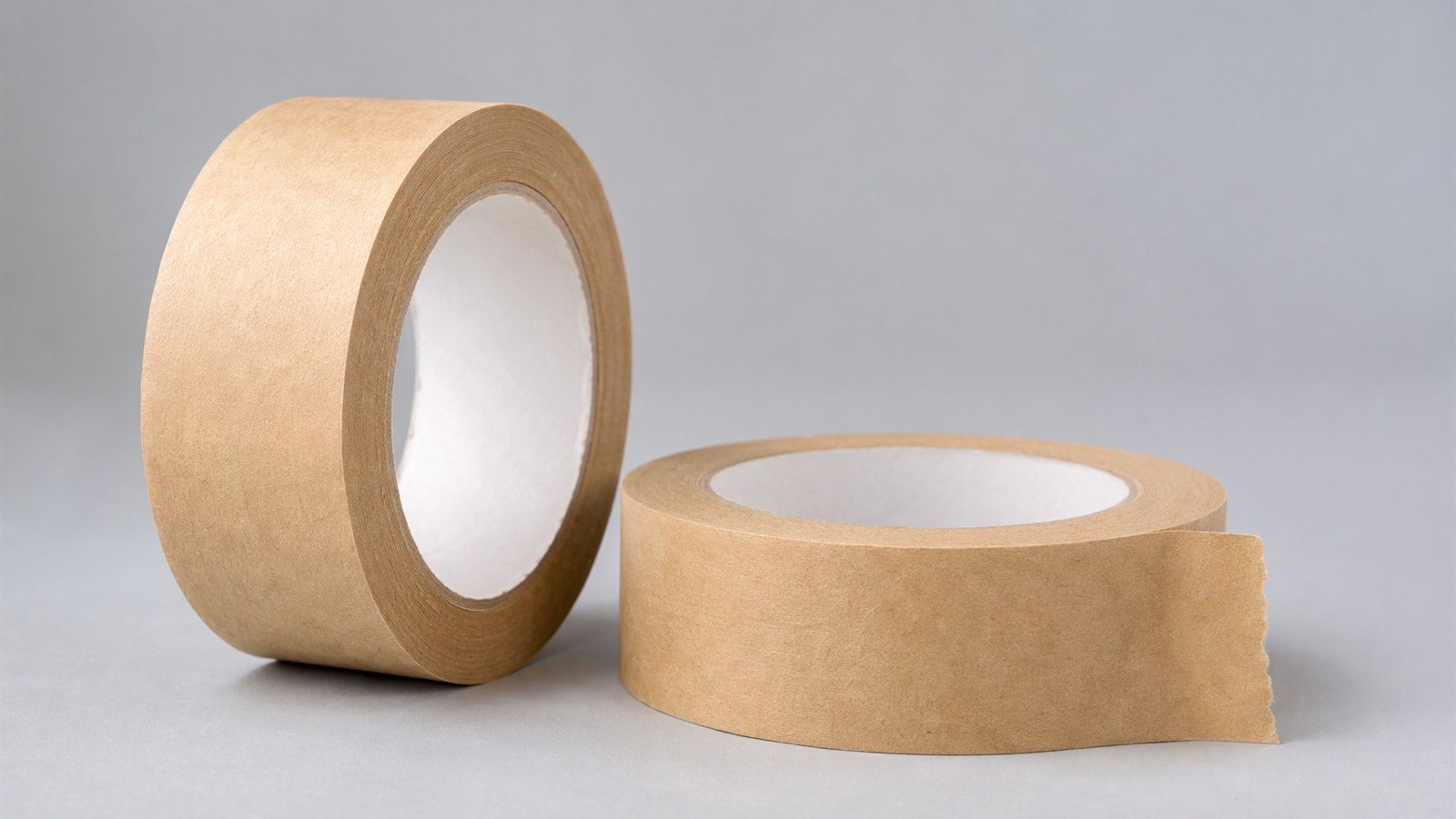
Masking & Packaging Tape
Masking, cloth, duct and MOPP tapes for painting, protection, bundling and carton sealing.
View productSplicing, plate mounting, process and protection tapes for flexo, gravure and label lines, corrugators and paper reels — chosen so the press keeps running and the sleeve comes clean at the next plate change.
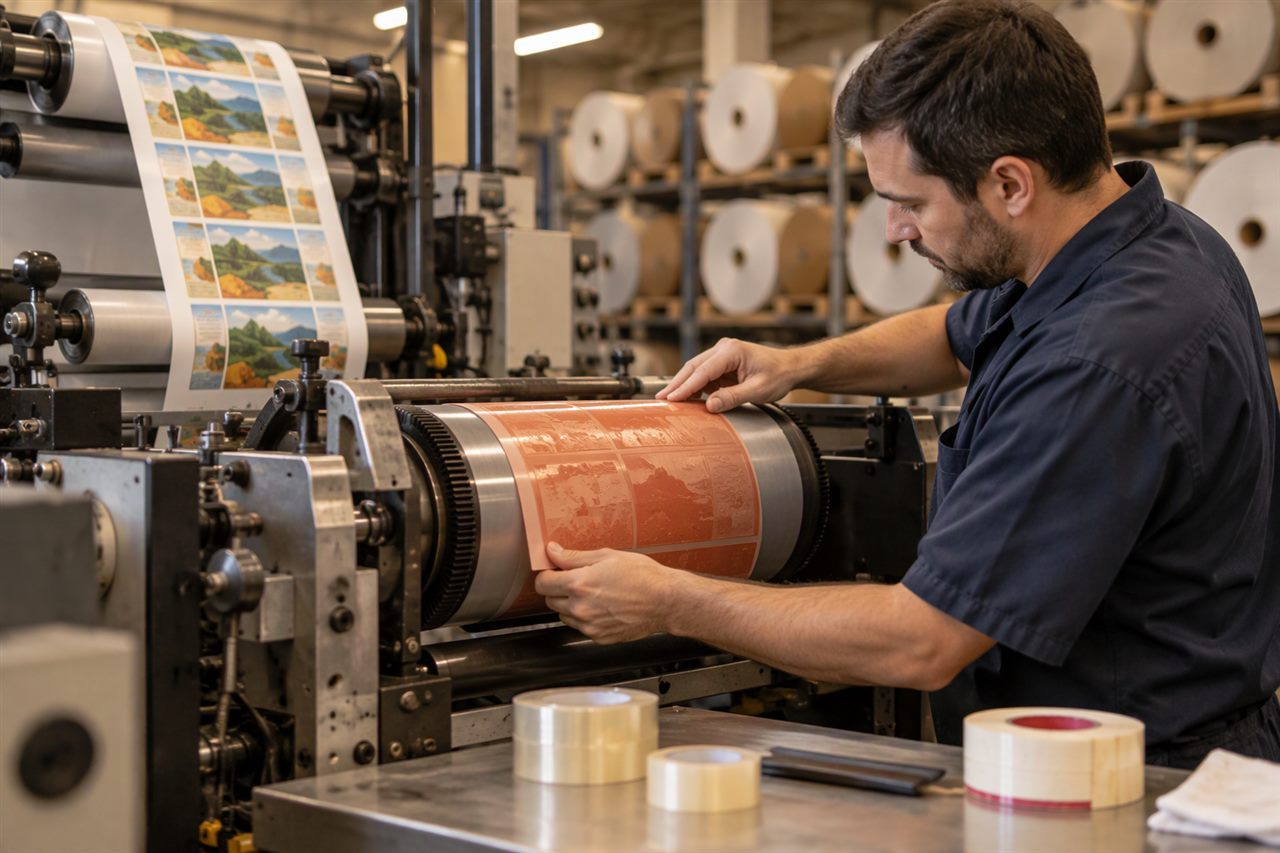
A splice has to hold at line speed, pass the doctor blade and not tear when the web tensions up.
Plate mounting tape must leave the sleeve without residue, deformation or a new make-ready.
Thickness, compression and rebound change the print height, so the tape is part of the print quality.
Paper machines and converting lines reject anything that sheds fibres.
Tape is a small line item that can stop an expensive press when the wrong one is on the shelf.
| Application | Typical construction | Why |
|---|---|---|
| Roll splicing on press and winder | PET or cloth splicing tape | Holds at speed, cuts cleanly, does not shed |
| Flexo plate mounting | Plate mounting tape | Stable thickness and cushioning, clean release from the sleeve |
| Sleeve and cylinder protection | Masking and protective tape | No residue at restart |
| Corrugator and board converting | Process and joining tape | Runs with the board rather than against it |
| Reel end tabbing and core starting | End tab and core starting tape | Keeps the reel edge tight in storage and transit |
| Carton closing after printing | MOPP packaging tape | Sealing strength on printed, coated board |
Starting points only. Confirm the final grade against your substrate, load and validation plan.
Splicing and plate mounting on a label line
A label converter was losing minutes at every splice and finding adhesive residue on its sleeves at each plate change.
We tested splicing tapes on the films and boards it actually runs, then matched a plate mounting construction to the sleeve, plate thickness and target print height.
Splices ran through the press without breaking, sleeves cleaned faster at plate change, and the consumable was specified with a defined width and core for the store.
Masking, cloth, duct and MOPP tapes for painting, protection, bundling and carton sealing.
View product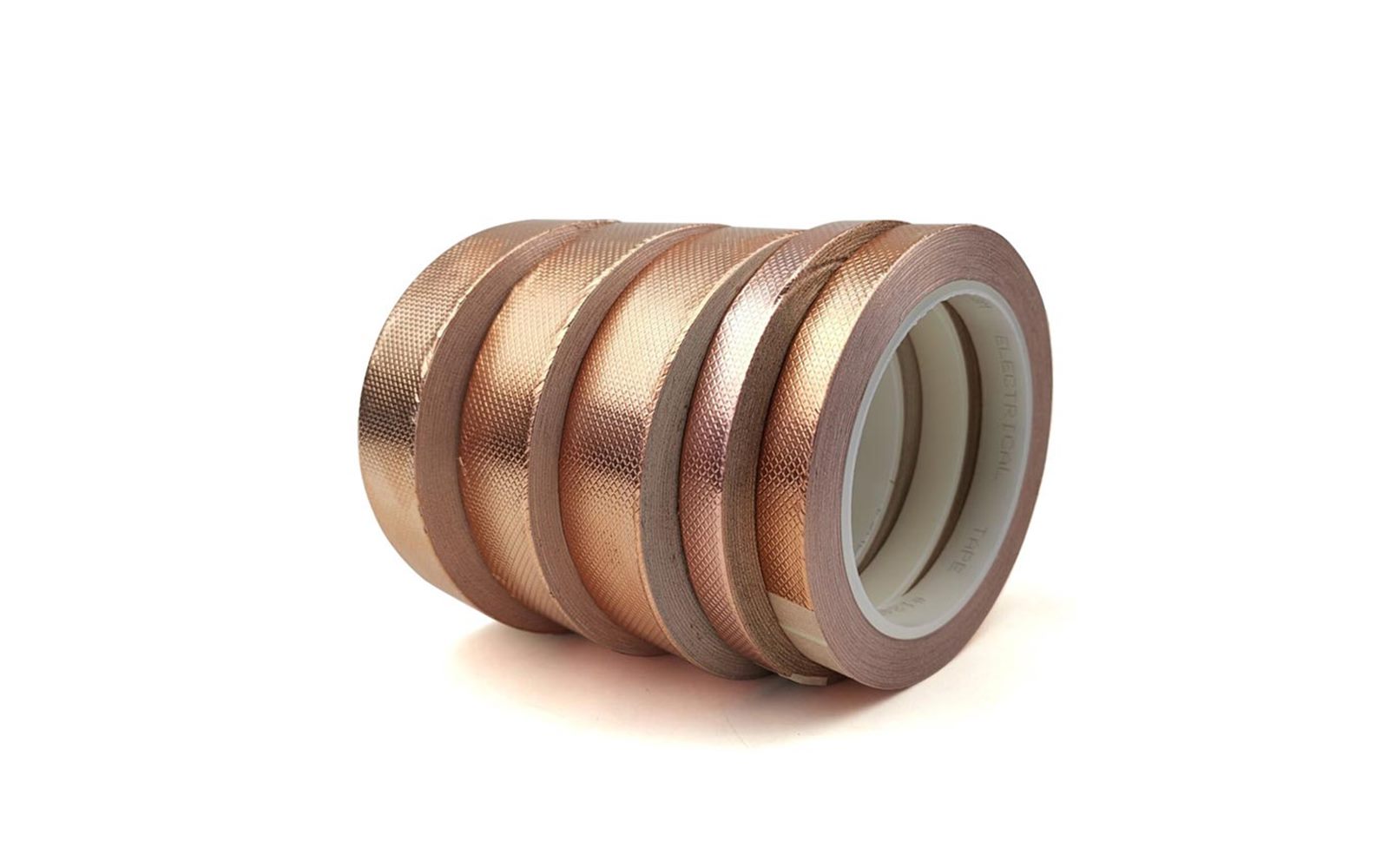
Easy-release, heat-reactive, low-VOC, medical IVD and laser-through glass tapes for demanding applications.
View product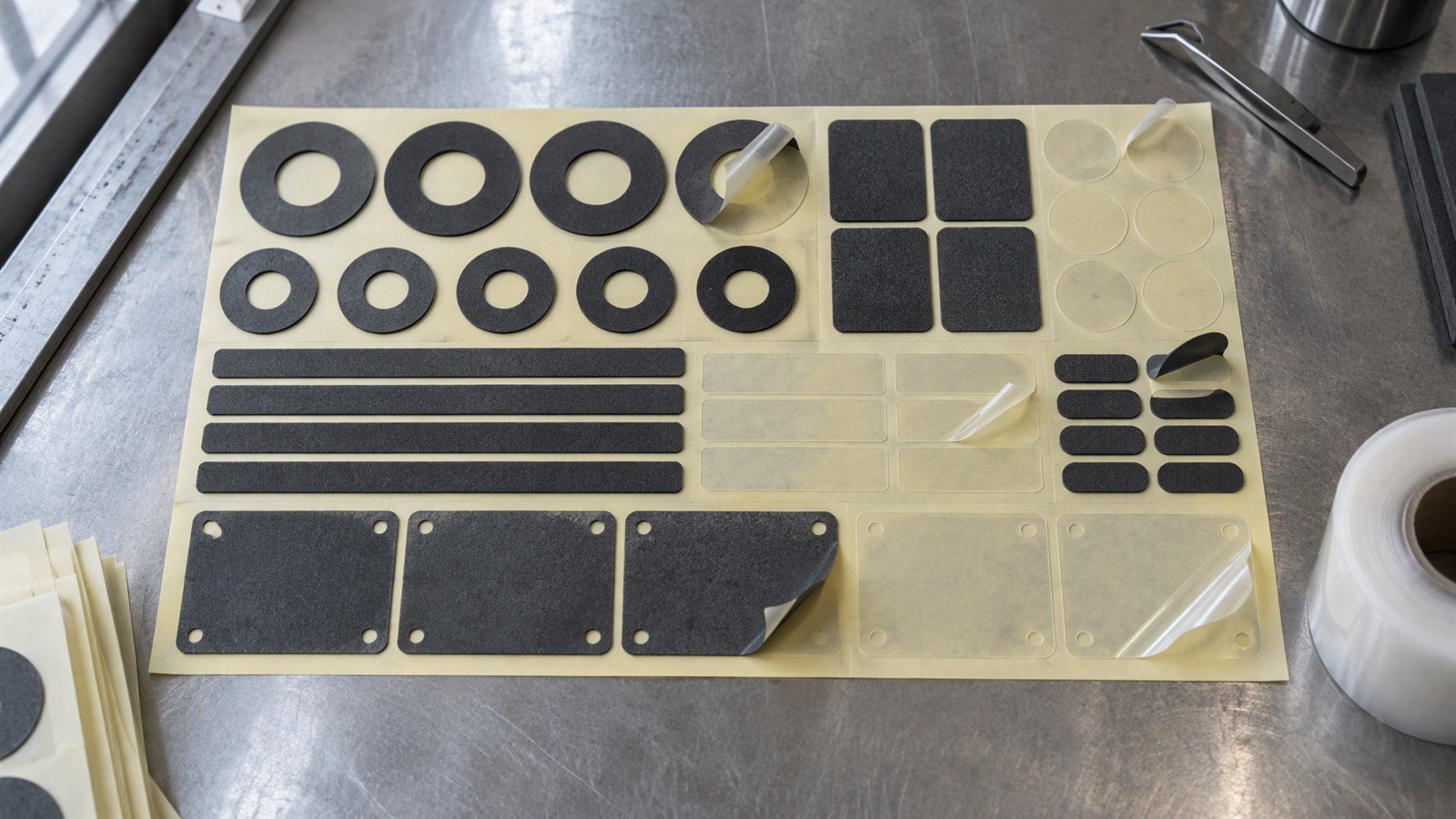
Custom adhesive parts from drawing to ready-to-install: flat-bed, rotary, laser cutting and kitting.
View productA print shop buys five different tapes and usually stores them in the same drawer. Each is judged on something else, and mixing them up is where the lost hours come from.
| Tape | What it is really judged on | Where the wrong choice shows up |
|---|---|---|
| Splicing tape | Holding at line speed and surviving the doctor blade or plate cylinder | A splice that breaks under tension, or a blade that stops the run |
| Plate mounting tape | Thickness, compression set and clean release from the sleeve | Print height drift and residue at plate change |
| Process and joining tape | Running with the board through the corrugator without lifting | Feeding problems and rejected sheets at the delivery end |
| End tab and core start | Holding the reel edge through storage and transport | An unfurled reel that cannot be mounted |
| Masking and protection | Clean removal at the moment the part is next handled | Residue on a sleeve, or adhesive on a finished web |
| Case closing | Grab on printed and coated board, plus humid storage | Seams that open in the container rather than on the line |
Tape is cheap against a stopped press, which is exactly why the wrong tape costs so much. The comparison that matters is not price per metre but minutes of make-ready, waste at start-up and unplanned stops over a shift.
Send your application and target market. We will shortlist grades for heat, humidity and UV before you commit to tooling.