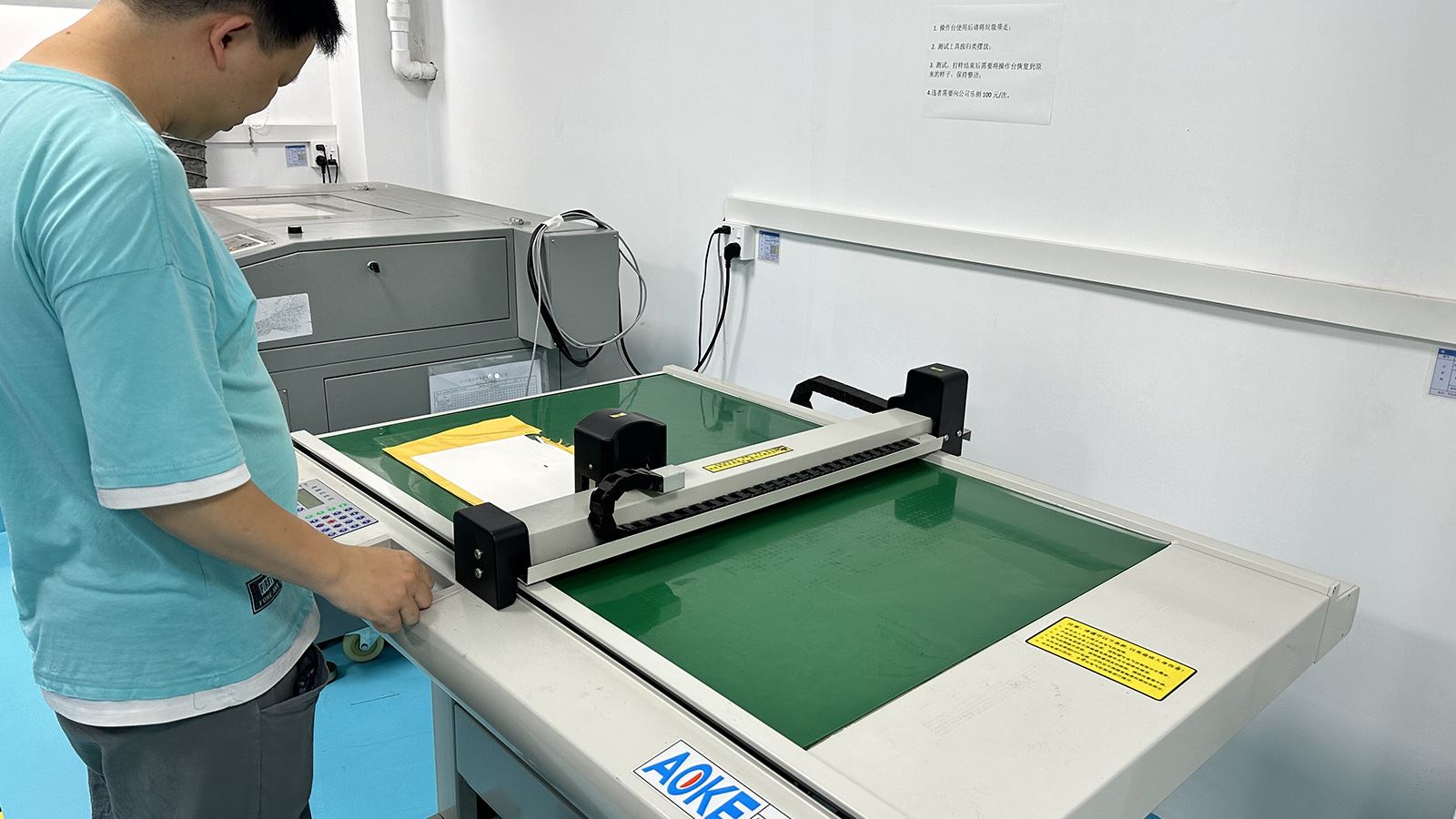
Die Cutting
Flat-bed, rotary and laser cutting from drawing to ready-to-install parts.
Service detailsFrom a bonding problem to a qualified supply program: material selection, prototyping, testing support and production supply.
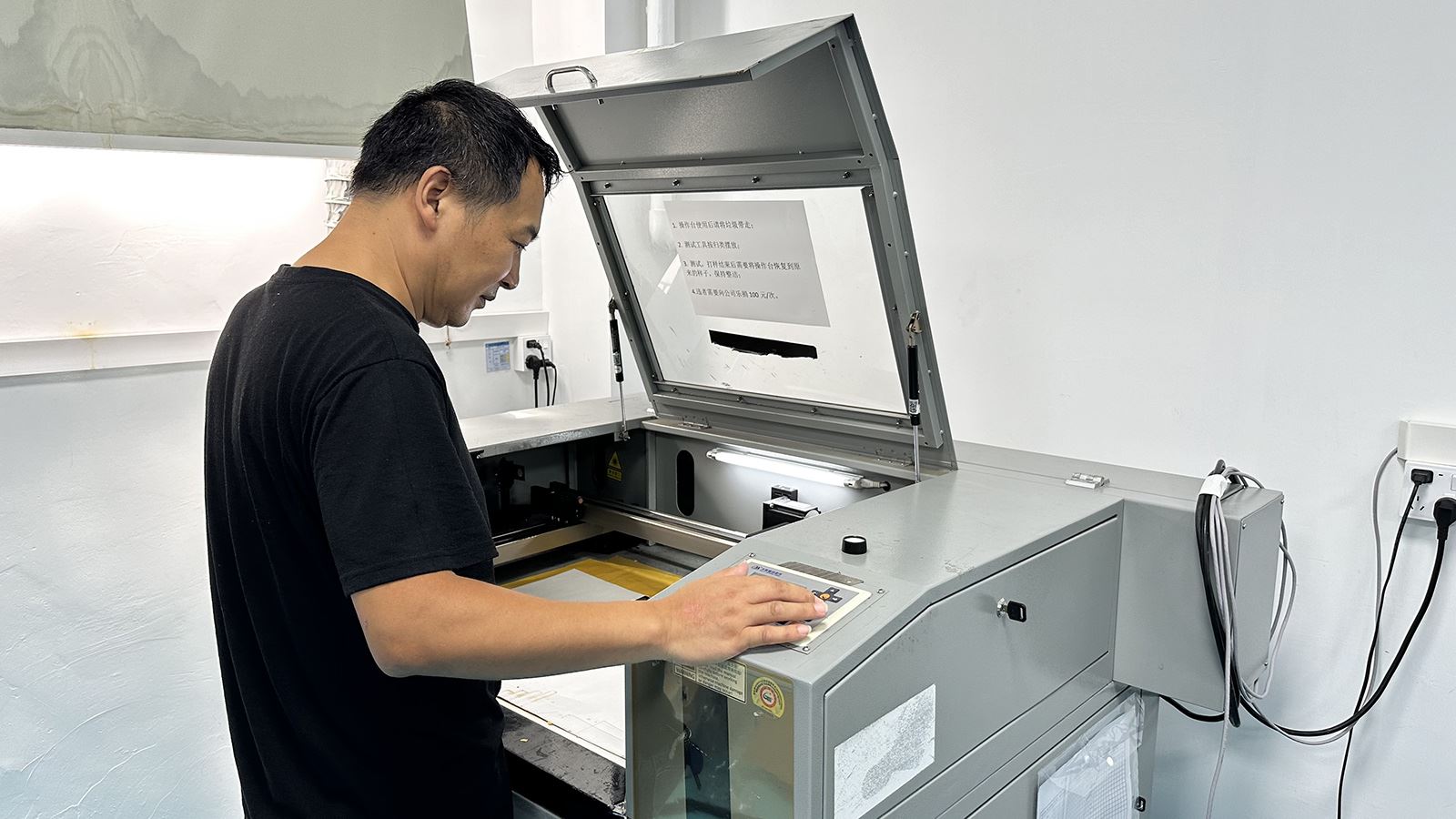
Most enquiries that arrive as "which tape do you recommend" are not tape questions yet. They are a joint that fails, a line that cannot feed a part, a component being re-sourced, or a product that has to pass a test the current material misses.
So the work starts with the failure mode and the process: substrates, load, environment, cycle time, and what happens if the bond lets go. From there we shortlist constructions, propose what to test and who runs it, and turn the answer into a supply format your plant can order. Two or three options with a test plan is a more useful reply than one catalogue grade.
Substrate, surface energy, load, temperature, humidity and UV.
Samples and die-cut prototypes for fit and function.
Peel, shear, aging and application trials with available data.
Rolls, converted parts, kitting and replenishment.
tesa, 3M, Sekisui and qualified alternatives in one comparison.
TDS, MSDS, RoHS and batch traceability where available.
What sits behind the service page, stated the same way as on the plant page, so a capacity claim can be checked in one place rather than in five.
Substrate pair, surface energy, load type, temperature and humidity exposure, UV, chemicals, and the failure mode you cannot accept.
Materials shortlisted, samples produced and, where necessary, a laminate or die-cut part built to test the concept rather than the datasheet.
What to measure, on what sample, in what condition, and what result counts as a pass, agreed with your team before anything is tested.
Options from tesa, 3M, Sekisui and qualified alternatives lined up against the same requirement, with the available data stated and the gaps marked as gaps.
Once the part is approved: format, batch control, inspection record, replenishment pattern and the documents your quality system needs.
| Specification item | How it gets confirmed |
|---|---|
| Requirement statement | One page saying what the joint has to do, in what environment, and how it fails. If that is wrong, everything after it is wrong. |
| Candidate list | Two or three constructions, each with the reason it is in the running and what would rule it out. |
| Test protocol | Sample preparation, conditioning, dwell, measurement method and acceptance criteria, written before samples ship. |
| Validation ownership | Your team qualifies the part on your product; we supply the material, the procedure and the data behind the recommendation. |
| Cost route | Where the money goes: material, converting, tooling and inspection. A cheaper grade that needs two extra line steps is not cheaper. |
| Supply format | Roll, slit, die-cut, kitted or private-label, chosen against how the part is consumed. |
| Change control | What counts as a material, source or process change, and how it gets notified and re-approved. |
Nothing in this table is a standing promise. It is the list we work through with you; the answers end up in the quotation and on the work order.
Tell us the substrate, load, environment and failure mode.
We compare grades and propose a test plan.
Prototype and validate on your process.
Convert, inspect, pack and ship with documentation.
Send what you already have. A partial list still gets a useful answer, and whatever is missing simply becomes the question we ask back.
Every recommendation states the reason and the constraint, so your team can disagree with the logic rather than the product.
What was tested, on what material batch, in what condition, and with what result, kept against the program.
Approval attaches to a described construction and presentation, not to a family name.
The agreed construction, format and inspection scope move into the order without being re-invented at the first production run.
Freight term, routing and destination charges are stated on the quotation. The logistics notes and the technical guides explain how each of those lines is worked out.
The material list is a guide. Send the grade or performance requirement and we will confirm compatibility with the cutting route.
Flat-bed, rotary and laser cutting from drawing to ready-to-install parts.
Service details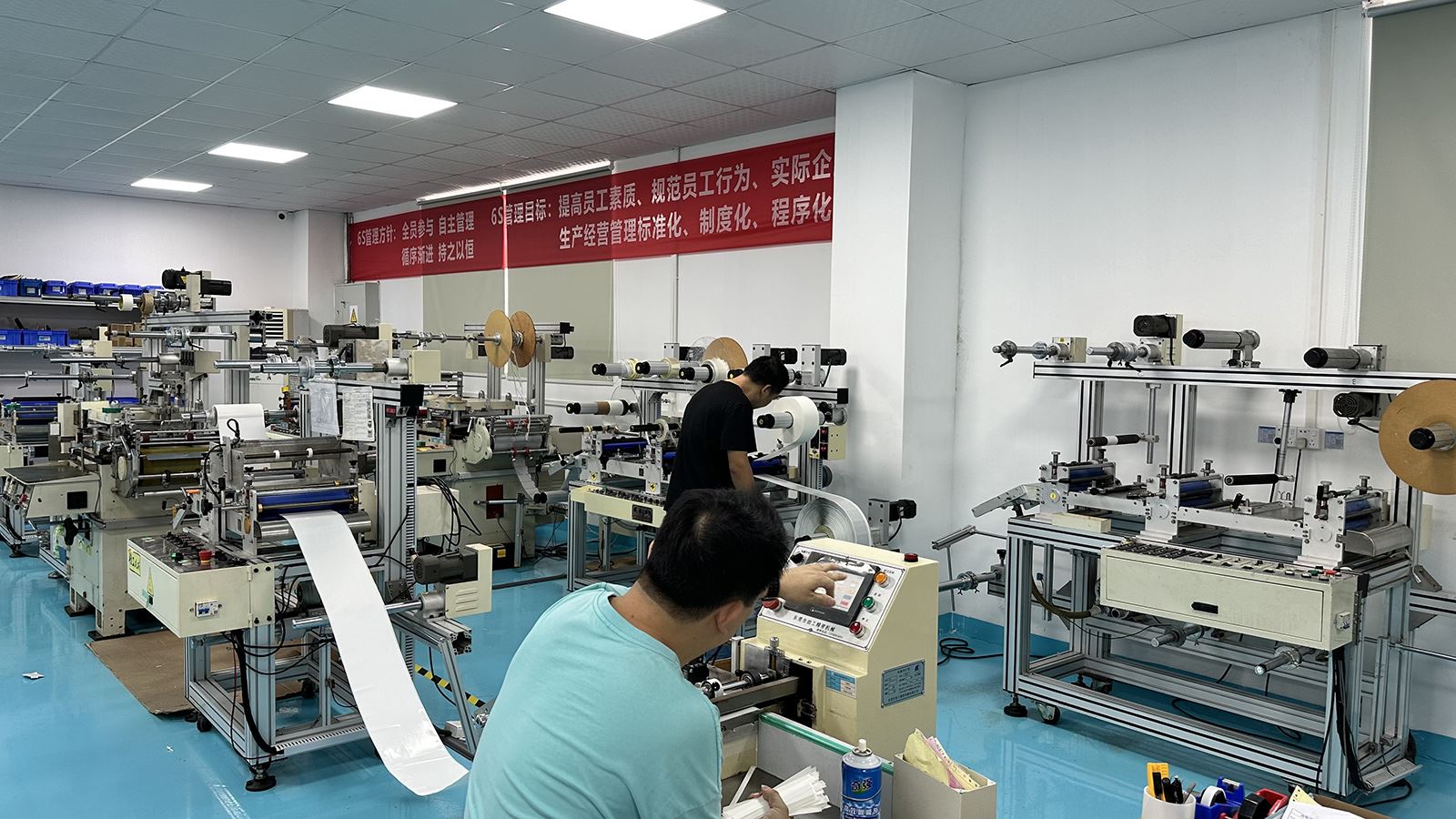
Custom widths, spooling and tension-controlled rewinding from jumbo rolls.
Service details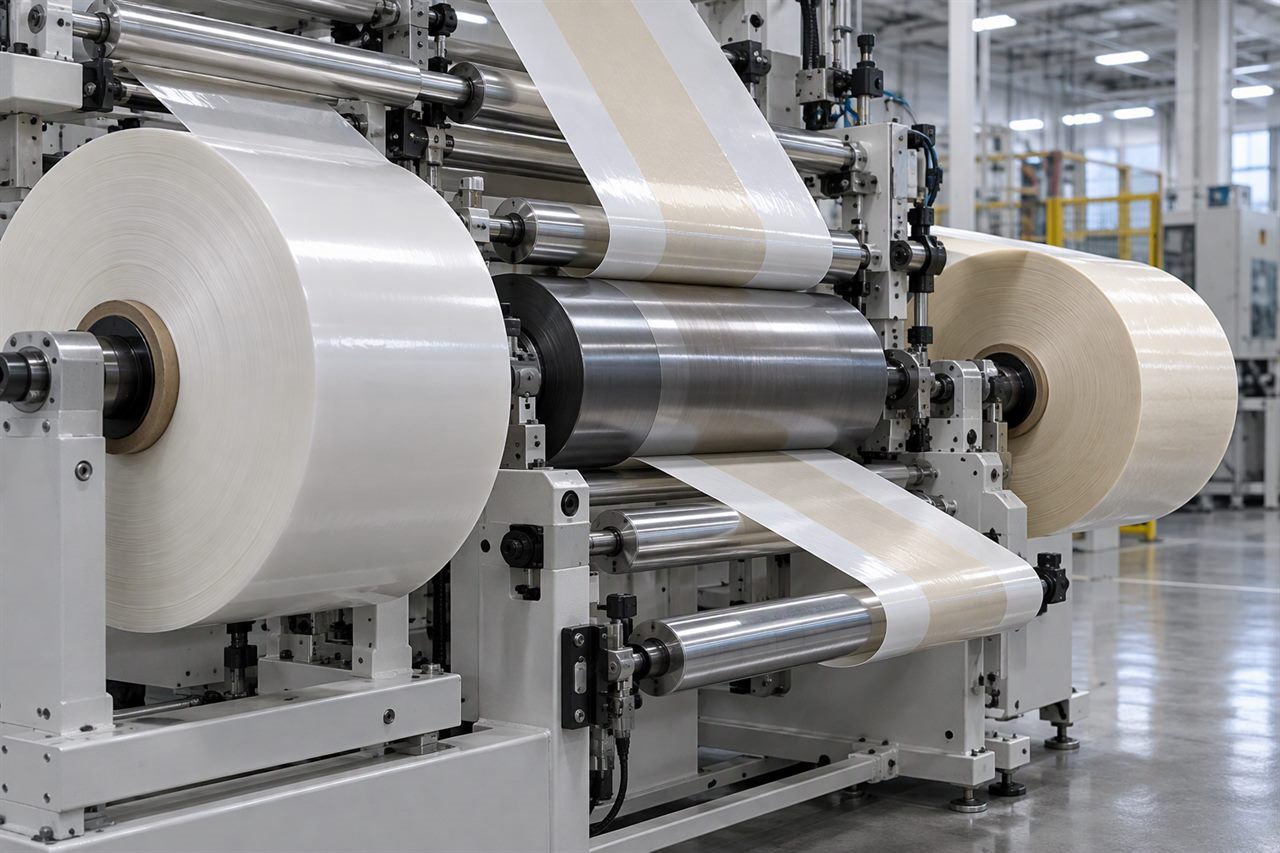
Tape + foam, film, liner and multi-layer adhesive constructions.
Service details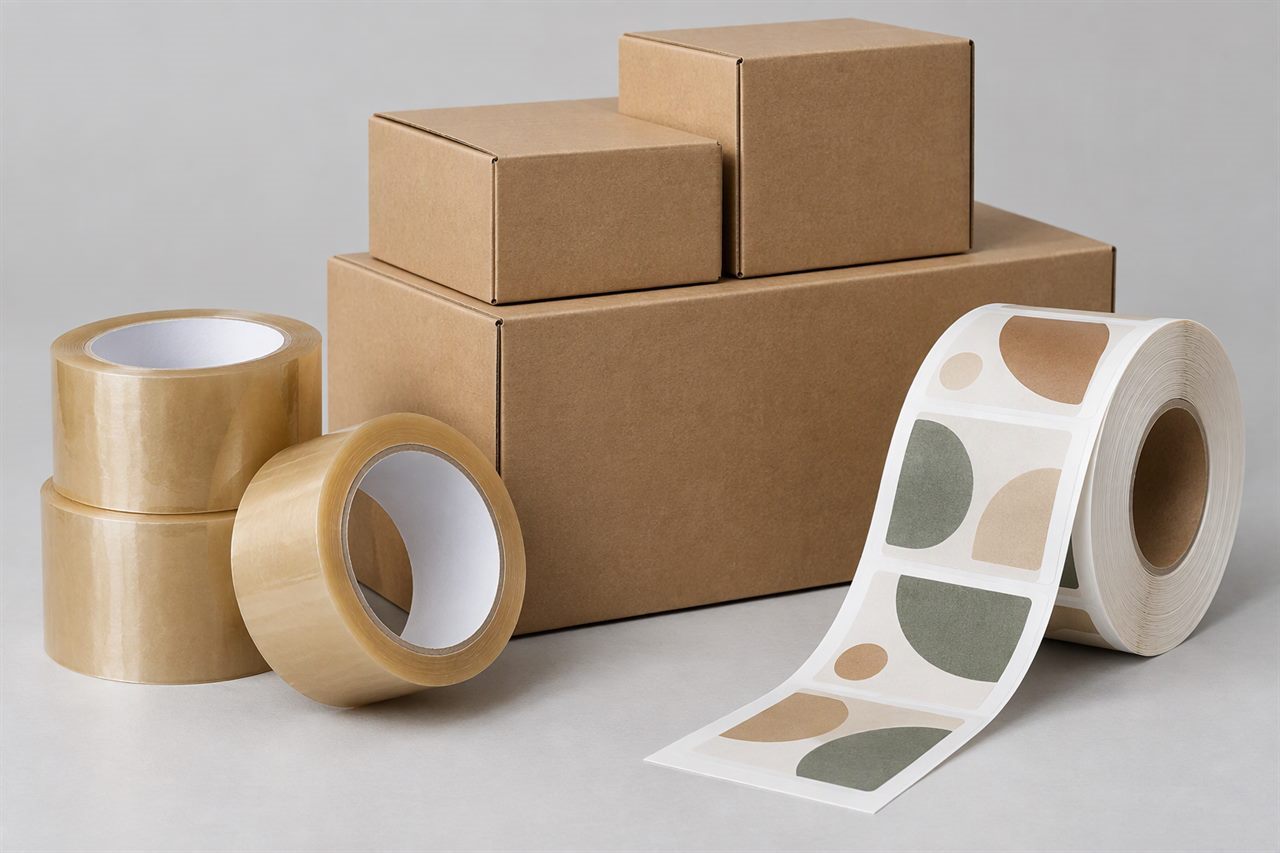
Private-label rolls, printed tape, custom packaging and kitted supply programs.
Service detailsTape and laminate converted to sheets in a stated width and length, loose or on a liner.
Service detailsFlexographic printing on tape backs, liners, cores and packaging for identification and branding.
Service details
Rolls spliced and wound onto one core so an automated line runs without a roll change.
Service details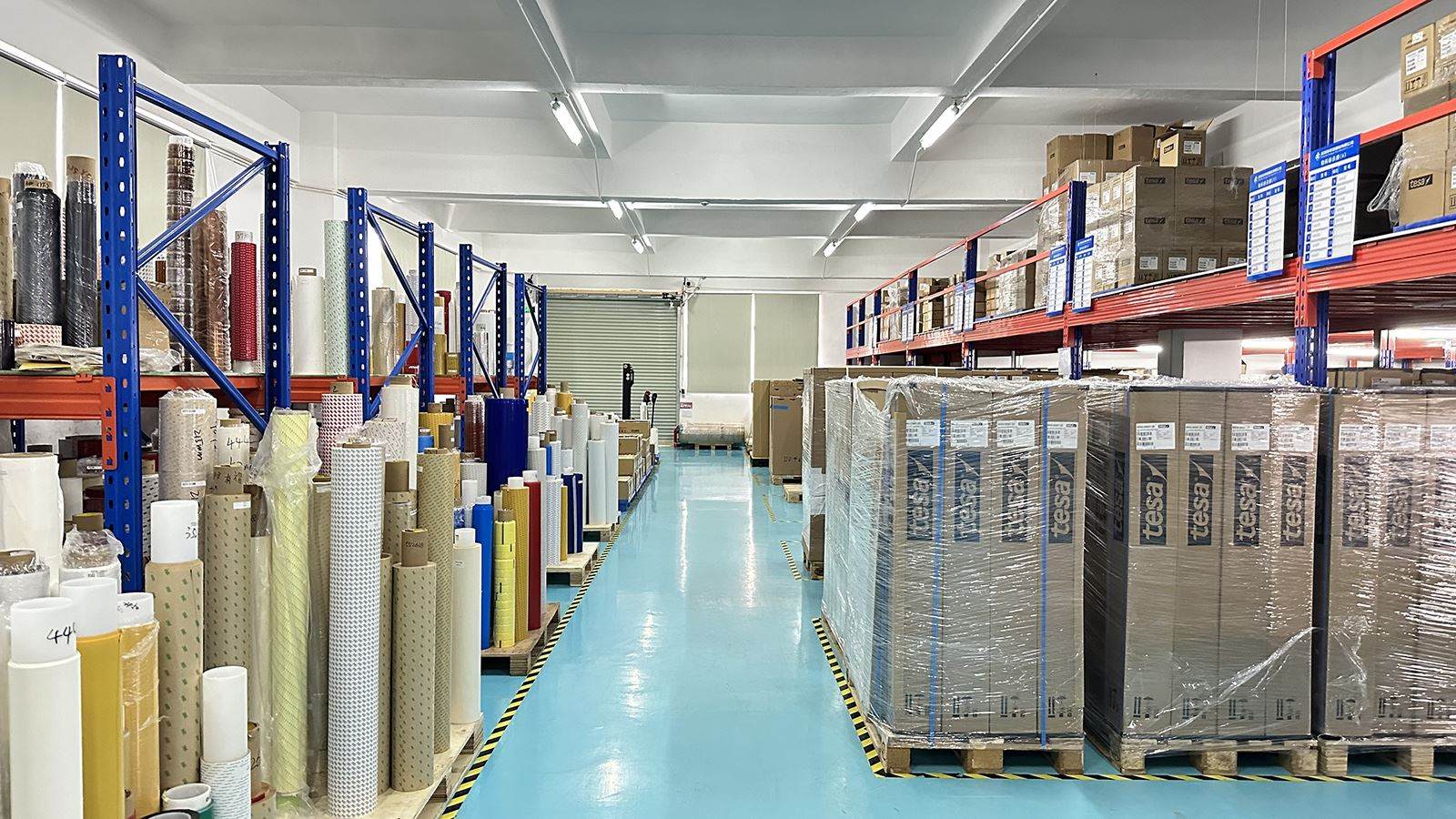
Shrink-sealed rolls, bagged and counted parts, kitted sets and custom printed cartons.
Service detailsSmall or soft parts built into a layer and presented in position, so an assembly places in one step.
Service detailsSend the drawing and the problem. We will review the material, liner and cutting route before quoting.