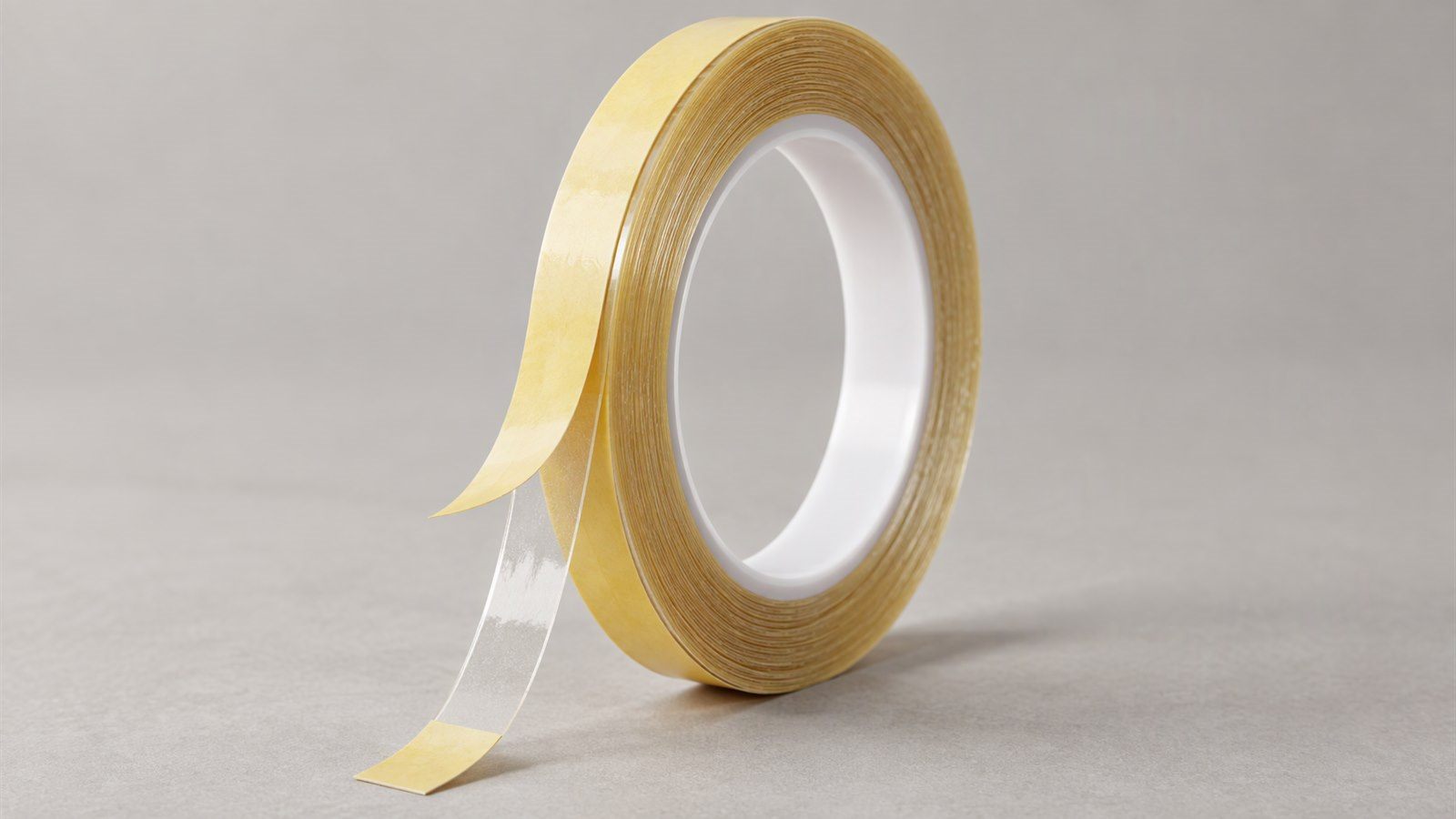
Double-Sided Tape
PET, non-woven, transfer and tissue tapes for electronics, automotive and appliance assembly.
View productConductive, polyimide, aluminum foil and thermal tapes for grounding, EMI shielding, insulation and high-temperature protection. Supplied in rolls or precision die-cut parts.
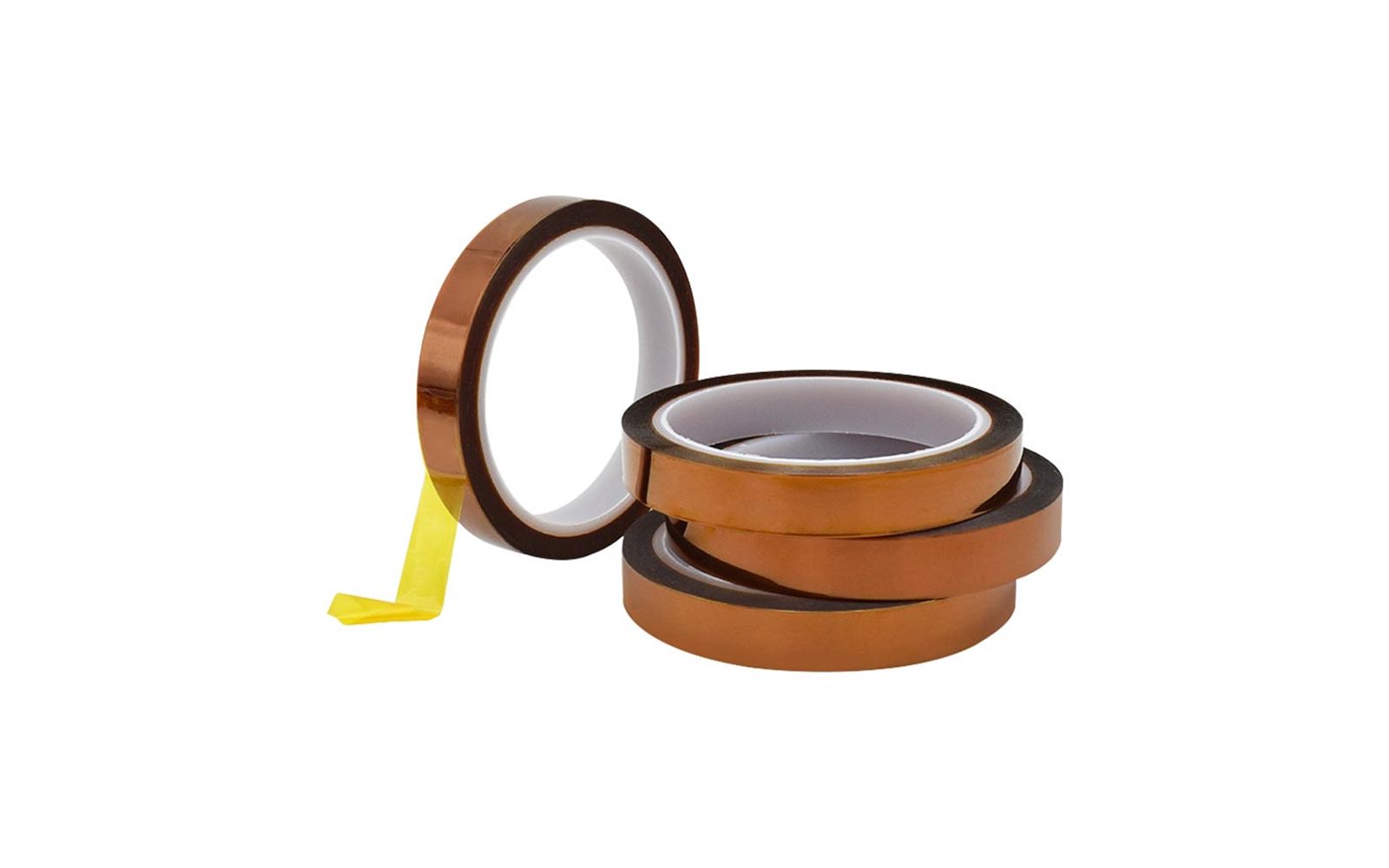
Conductive, polyimide, aluminum foil and thermal tapes for grounding, EMI shielding, insulation and high-temperature protection. Supplied in rolls or precision die-cut parts.
Typical build-up for this product family. Layer order, carrier and thickness vary by grade.
| Layer | Typical material |
|---|---|
| Release liner | PET or glassine |
| Adhesive | Acrylic or silicone, conductive or insulating |
| Carrier | Copper foil · aluminum foil · PI film · conductive fabric |
| Optional layer | Conductive adhesive or thermal interface layer |
Grounding, EMI shielding and low-resistance connections in electronics and battery packs.
Conformable shielding for cables, connectors and flexible circuits.
High-temperature masking and insulation for PCB, battery and electronic manufacturing.
HVAC duct sealing, thermal reflection, moisture barrier and insulation facing.
Heat transfer between components, heat sinks and housings.
Conformable plasticised PVC backing for harness wrapping, splice insulation and winding. The voltage class and flame rating come from the grade your application specifies.
Values are typical and grade dependent. Confirm the final specification on the TDS for your selected product.
A family is not a product. These are the questions that narrow it down to one construction, in the order we ask them.
Grounding, shielding, insulation, thermal transfer and high-temperature masking are different problems. A conductive tape that insulates badly and an insulating tape that conducts well are both correct answers to different questions.
A grounding joint cares about the resistance through the bond line to the mating surface; a shield cares about continuous coverage and seam quality. Ask for the value measured in the assembly, not only on the roll.
Copper, nickel-plated surfaces, cell casings and passivated finishes tolerate different chemistries. The wrong adhesive can discolor a contact over time even when the tape conducts perfectly.
Solder reflow, wave solder, cure ovens and battery pack cycling each set a ceiling. Polyimide grades survive processes that defeat ordinary film carriers.
Foil and film carriers tear at edges, wrinkle on curved surfaces and behave badly at high line speed. Handling is part of the specification.
Foil and PI parts are usually supplied on a slit liner with the matrix stripped, because manual peeling of a small conductive part is how a line gets contaminated.
| Construction | Usual reason to choose it | What to check first |
|---|---|---|
| Copper foil tape | Grounding and EMI closure where a low-resistance path to a metal surface is the requirement. | Adhesive resistance under the joint, and whether the contact is plated or bare. |
| Aluminum foil tape | HVAC duct sealing, thermal reflection and moisture barriers; also shielding where aluminium matches the enclosure. | Dissimilar-metal corrosion where foil meets steel or copper in a wet environment. |
| Conductive fabric tape | Conformable shielding on cables, connectors and irregular surfaces. | Abrasion resistance and how the seam is overlapped. |
| Polyimide (PI) tape | High-temperature masking and insulation in soldering, cure and battery processes. | Release force at elevated temperature and whether residue survives the cycle. |
| Thermal conductive tape | Heat path between a component and a sink or housing without a mechanical fastener. | Contact pressure and surface flatness decide the real thermal resistance. |
| Insulation and barrier laminates | Cell and module insulation combining film, foam and adhesive in one part. | Dielectric withstand at the thickness supplied, plus edge coverage. |
| PVC electrical insulation tape | Harness wrapping, splice covering and winding, where a conformable, abrasion-resistant outer layer has to follow a bundle. | The voltage class and flame rating your standard requires, and how the tape behaves at the temperature the bundle actually reaches. |
Every row is a starting point for a test, not a promise about your joint. The third column is the part that usually decides the outcome.
These are the items a quotation has to settle before material is cut. Each one is confirmed against your order, so no figure on this page is a standing commitment.
| Specification item | What we confirm |
|---|---|
| Function and value | The electrical or thermal value needed, the standard it is measured against, and the assembly condition it must hold in. |
| Carrier and thickness | Foil, PI or fabric with the gauge you need; foil thickness and coating are stated on the order line. |
| Adhesive | Conductive or insulating, acrylic or silicone, chosen against the surface it will touch and the temperature it will see. |
| Format | Roll, slit roll, pre-cut strip or die-cut part on liner, with the pick orientation for automated placement. |
| Liner and matrix | Liner type, whether the matrix is stripped or weeded, and how the parts are spaced for your feeder or tray. |
| Edge quality | Burrs, whiskers and foil roll-over at the cut edge are specified, because they matter for both safety and shorting risk. |
| Handling and storage | Foil and film grades are packed flat and protected from edge damage; conductive rolls keep their wrapping on until the line. |
| Documentation | The available data sheet, resistance or thermal values for the selected grade, and compliance statements for the market. |
| What gets verified | How it is measured |
|---|---|
| Contact or surface resistance | Measured with a defined probe setup and pressure, because the same tape reads differently on a bare, plated or oxidised surface. |
| Dielectric withstand | Proofed at the supplied thickness for insulation applications, on the part rather than the raw film. |
| Thermal resistance | Reported at the assembly pressure and surface condition, since a laboratory value without pressure is not a design input. |
| High-temperature release | Peel behaviour after the thermal cycle, checked for residue and for damage to the surface underneath. |
Ask for the method and the condition, not only the number: the same material reads differently on a clean test panel and on a part from your line.
Freight term, routing and destination charges are stated on the quotation. The technical guides and the logistics notes explain how each line is derived.
3M PI series · tesa functional tapes · Sekisui functional tapes
PET, non-woven, transfer and tissue tapes for electronics, automotive and appliance assembly.
View product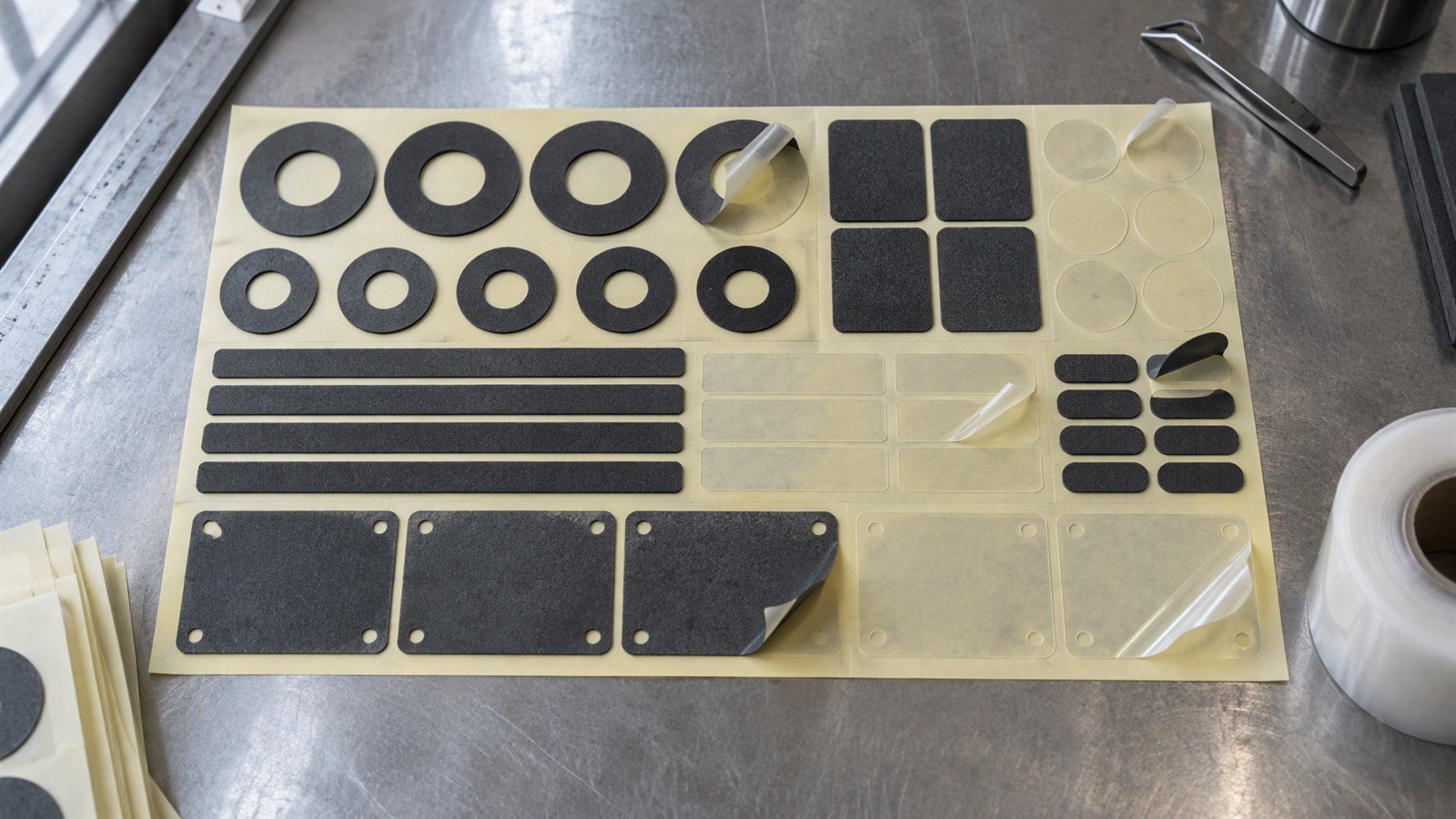
Custom adhesive parts from drawing to ready-to-install: flat-bed, rotary, laser cutting and kitting.
View product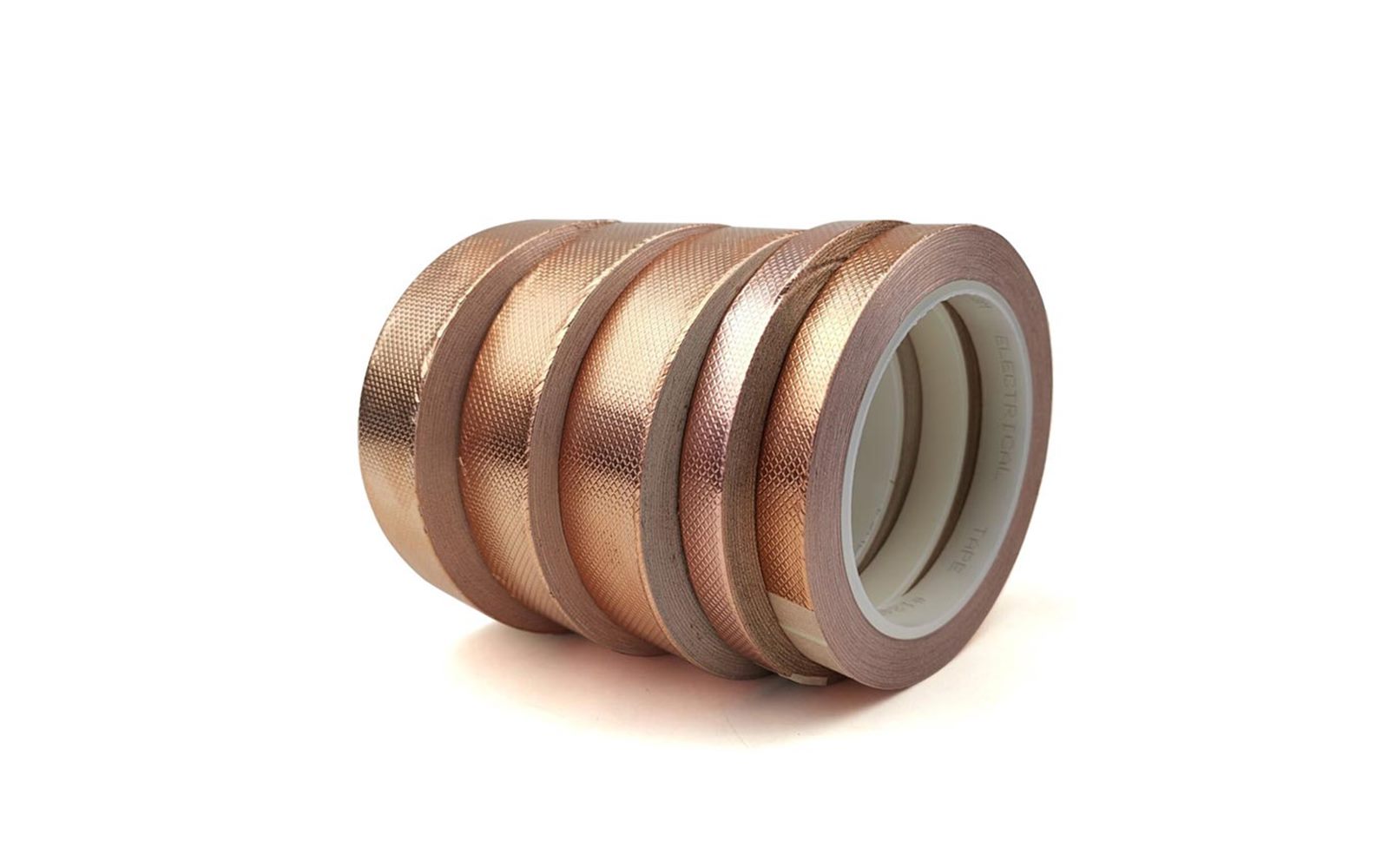
Easy-release, heat-reactive, low-VOC, medical IVD and laser-through glass tapes for demanding applications.
View productSend a drawing or a dimensioned photo. We will confirm material, tooling route, tolerance and lead time.