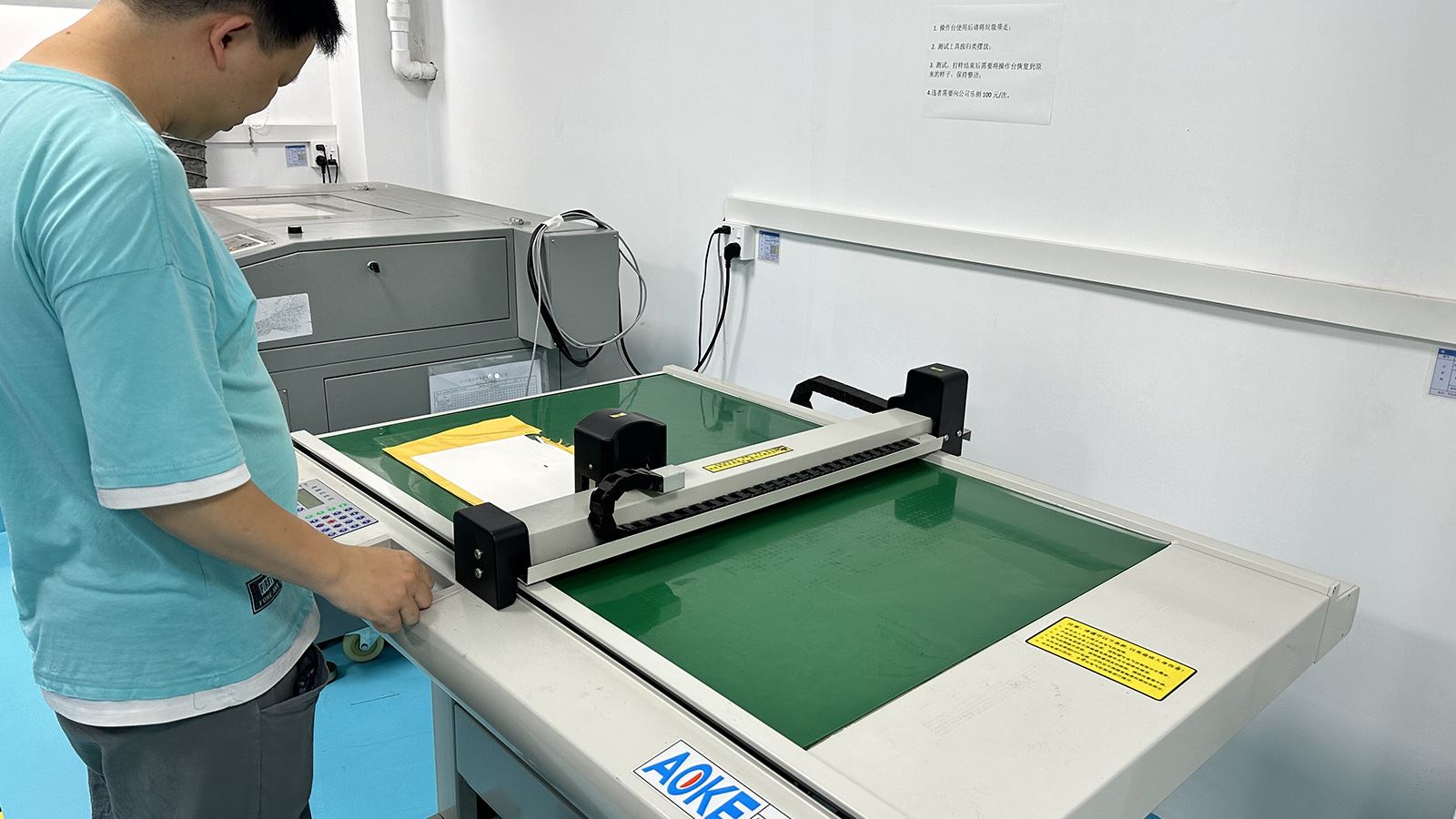
Die Cutting
Flat-bed, rotary and laser cutting from drawing to ready-to-install parts.
Service detailsCustom widths, spooling and tension-controlled rewinding from jumbo rolls — with clean edges and consistent unwind for automated lines.
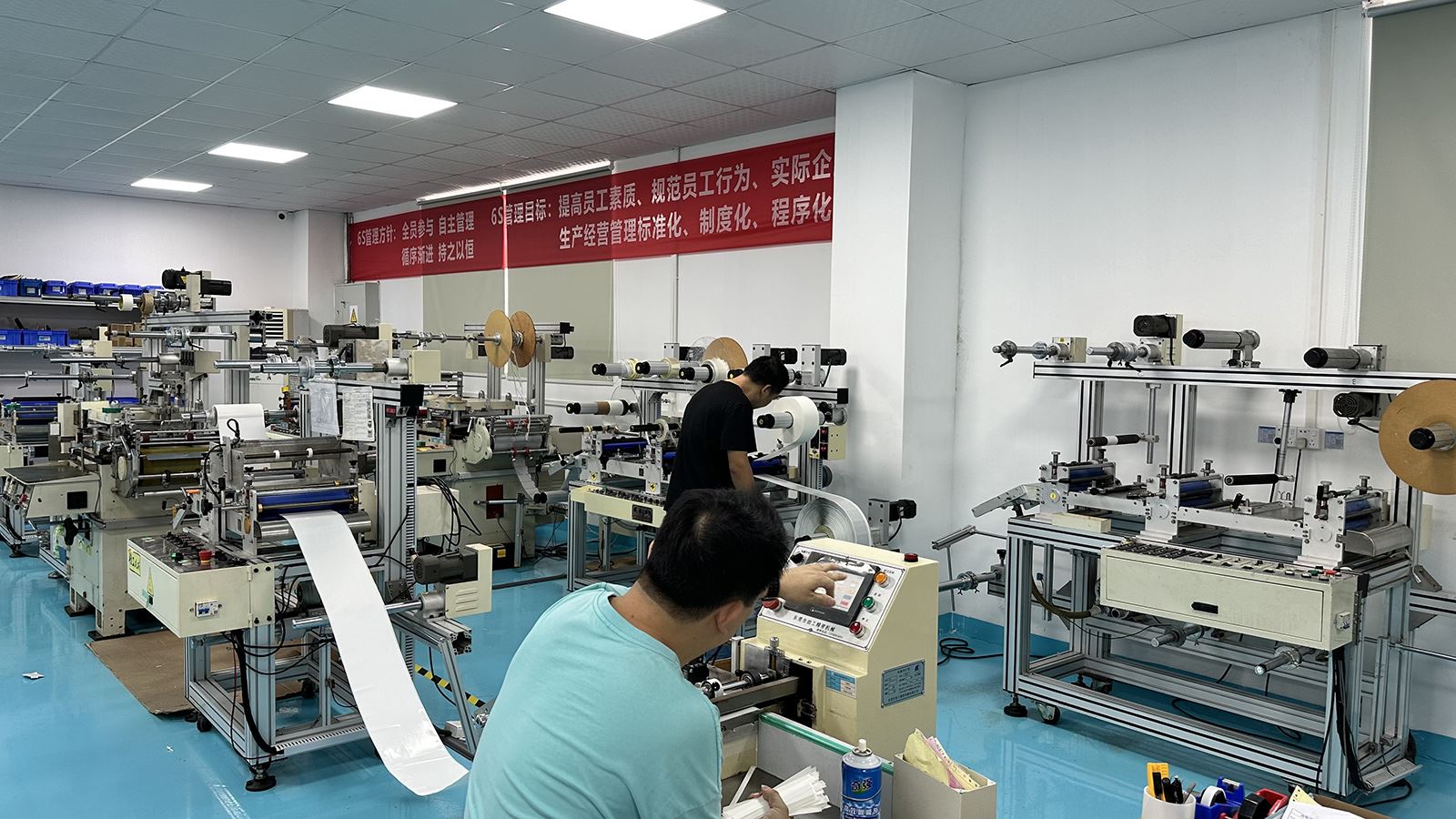
Slitting looks simple until it runs on your line. Turning a jumbo roll into a width that unwinds cleanly, at the tension your applicator expects, with edges that do not shed and a roll that does not star, is a setup job: blade, tension, core and material all have to agree.
We run slitting and rewinding in the same plant as the die-cutting and lamination lines, which is why a width can be slit, a part die-cut from it, and the whole thing shipped as one order with one set of batch records.
From jumbo roll to the width required by your applicator.
Controlled tension and roll hardness for stable unwind.
Spools and small rolls for automated or manual assembly.
Clean edges to reduce burrs, dust and web breaks.
Custom roll lengths and core sizes.
Batch and roll identification for traceability.
What sits behind the service page, stated the same way as on the plant page, so a capacity claim can be checked in one place rather than in five.
Eight slitting lines cover razor, shear and circular knife setups, from narrow electronics widths to wide industrial rolls. The blade type is chosen against the material, not against whichever machine is free.
Six rewinding lines set roll hardness, tension profile and outer diameter, which is where a stable unwind actually comes from.
Tension profile is set per material, so a roll is neither soft enough to collapse nor tight enough to telescope or star at the edges.
Spools and short rolls for automated and manual assembly, on the core and with the tail behaviour your equipment takes.
Blade condition, material support and cleanup are what keep cut debris off a finished roll.
| Specification item | How it gets confirmed |
|---|---|
| Material and grade | Confirmed by grade, or by the brand material you hold, because thickness, adhesive and carrier decide the blade and the tension. |
| Width and tolerance | Target width with the tolerance your applicator needs, stated per order once the material is known. |
| Length and outer diameter | Metres per roll and the maximum roll diameter your dispenser, head or feeder can carry. |
| Core | One-inch and three-inch cores are the usual formats, with larger cores and spool bodies for automated feed; the core is agreed against your equipment. |
| Winding direction and tail | Which side faces out and how the tail is secured, so a new roll loads without re-threading. |
| Splice policy | Whether splices are allowed, how many per roll and how they are flagged, agreed before production. |
| Roll hardness | Set per material so the roll keeps its shape in transit and still unwinds without dragging. |
| Labelling and batch coding | Grade, size, length, lot and date on the roll label, tied back to the incoming material batch. |
Nothing in this table is a standing promise. It is the list we work through with you; the answers end up in the quotation and on the work order.
Confirm material, width, length, core and roll orientation.
Set blades and tension for the material and width.
Check width, edge quality and roll build.
Run, inspect and pack with batch identification.
Send what you already have. A partial list still gets a useful answer, and whatever is missing simply becomes the question we ask back.
Width, edge quality, core alignment and roll build checked before the run is released.
Checked for burrs, feathering and adhesive squeeze-out, which is where slitting quality shows up first.
Rolls verified against the stated length by count and weight, so the label is truthful.
Incoming material batch, line, setup and roll label linked, so a roll can be traced back without a plant-wide search.
Freight term, routing and destination charges are stated on the quotation. The logistics notes and the technical guides explain how each of those lines is worked out.
The material list is a guide. Send the grade or performance requirement and we will confirm compatibility with the cutting route.
Flat-bed, rotary and laser cutting from drawing to ready-to-install parts.
Service details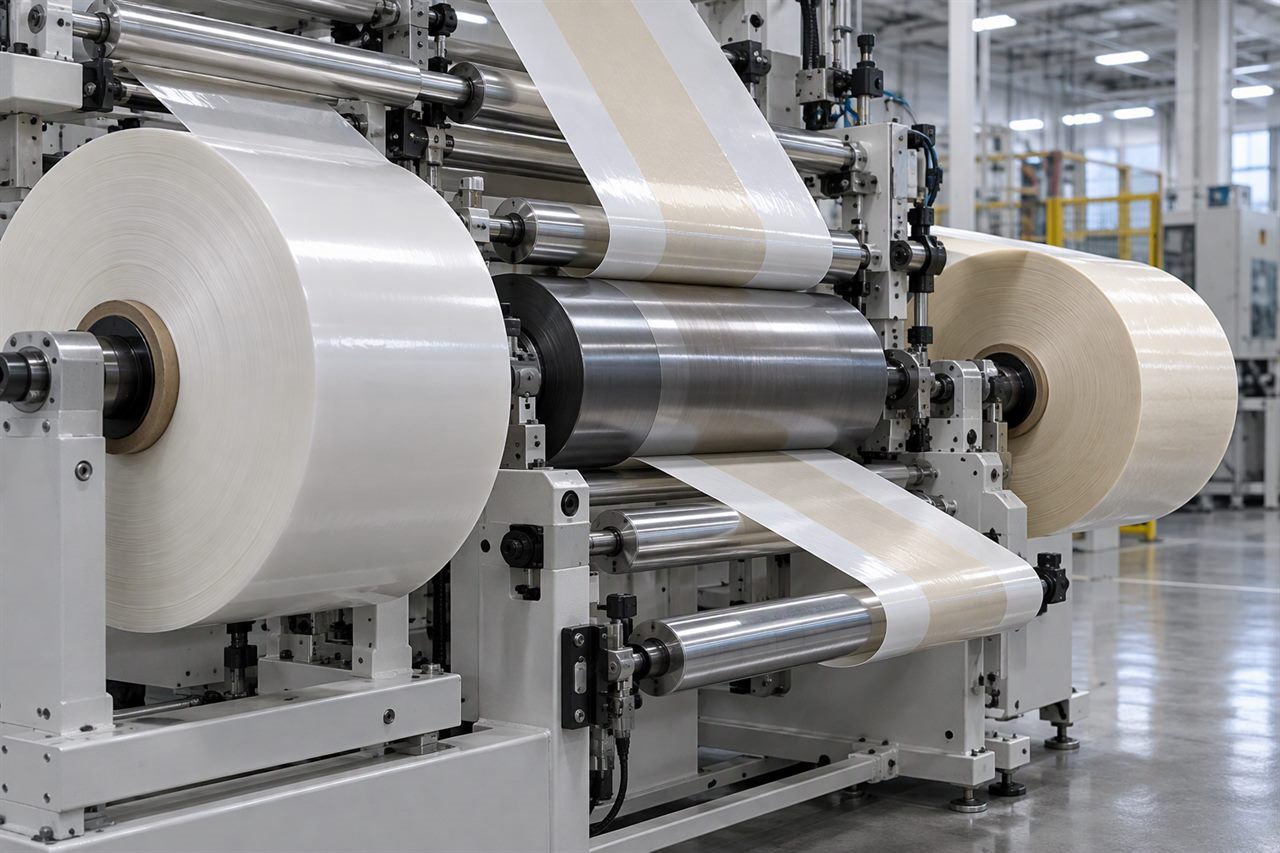
Tape + foam, film, liner and multi-layer adhesive constructions.
Service details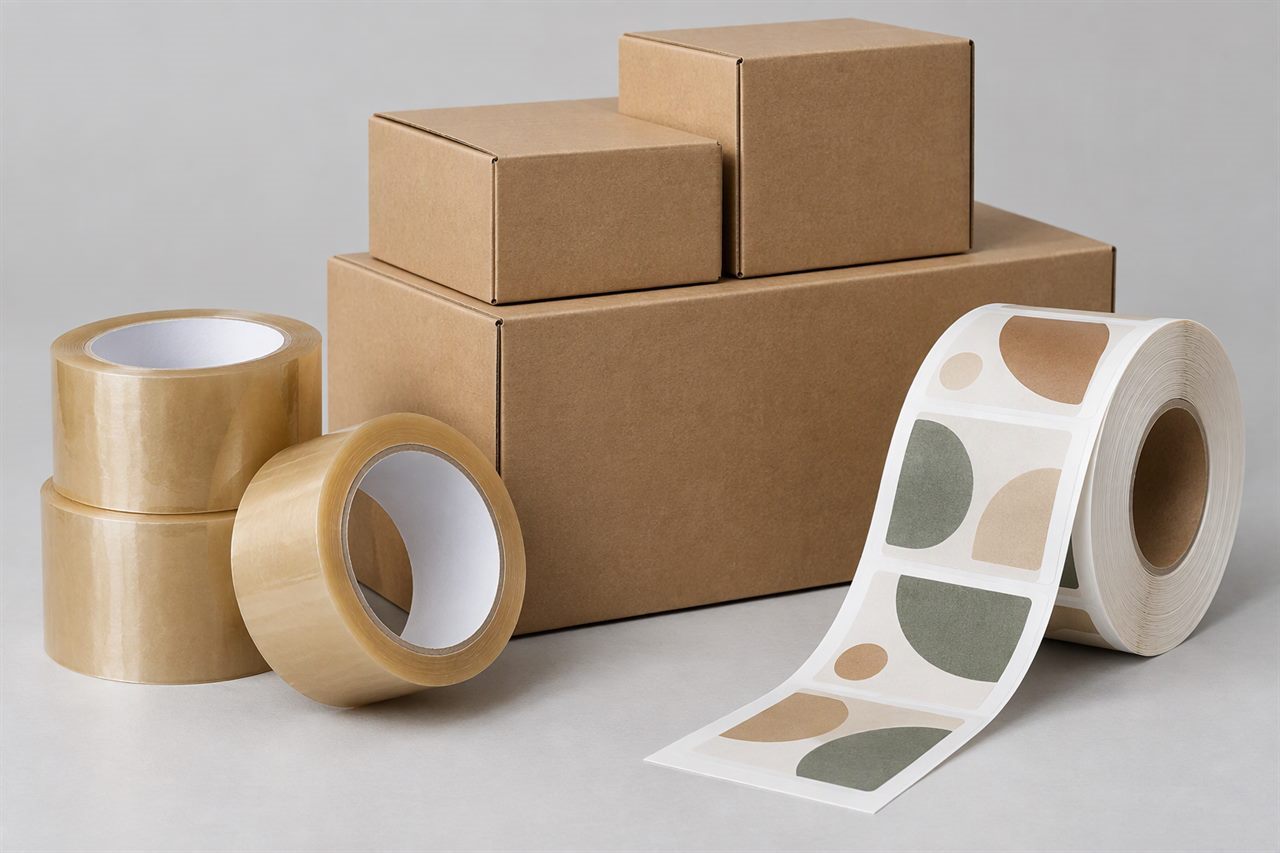
Private-label rolls, printed tape, custom packaging and kitted supply programs.
Service details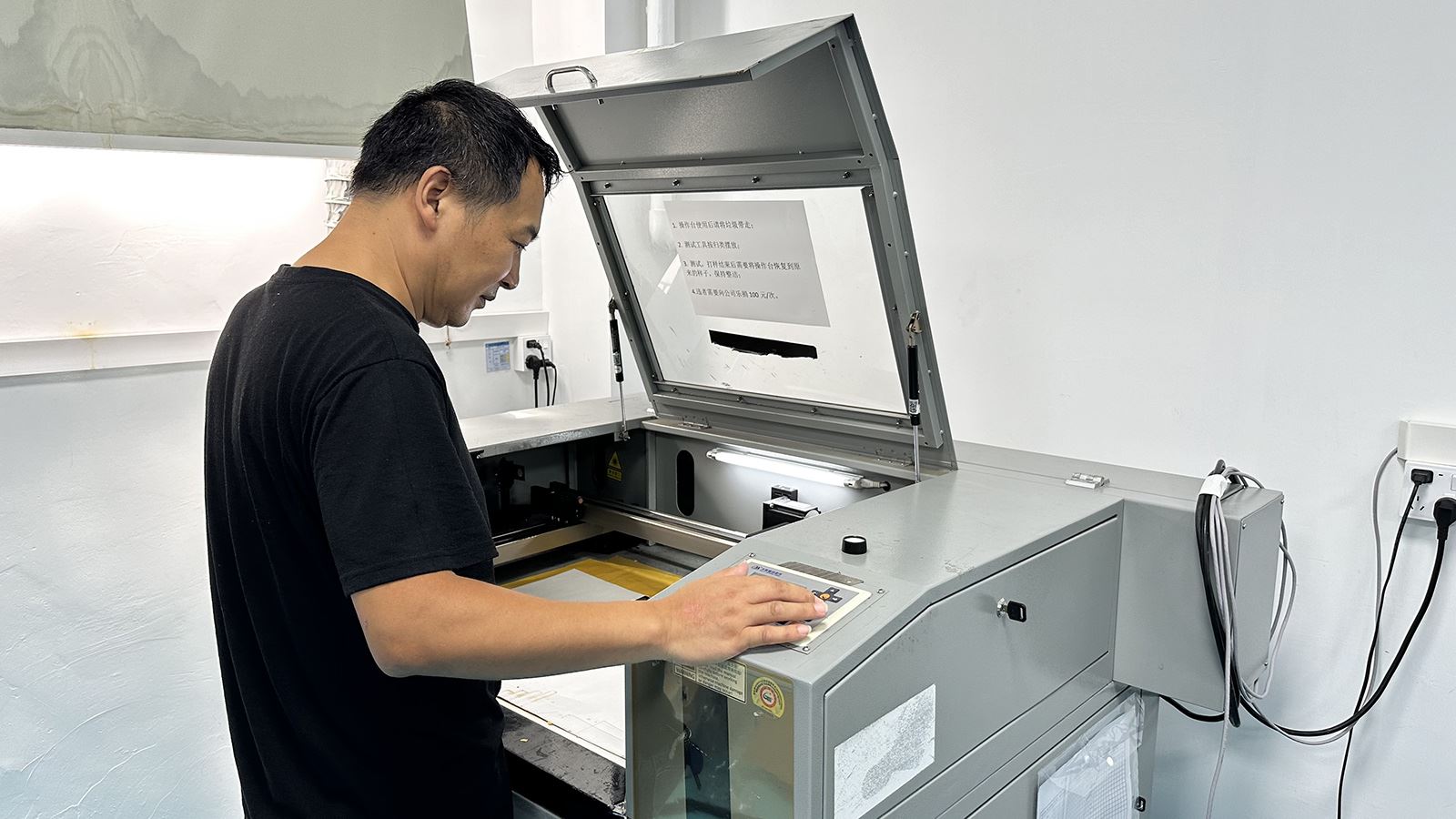
Material selection, prototyping and supply programs for new projects.
Service detailsTape and laminate converted to sheets in a stated width and length, loose or on a liner.
Service detailsFlexographic printing on tape backs, liners, cores and packaging for identification and branding.
Service details
Rolls spliced and wound onto one core so an automated line runs without a roll change.
Service details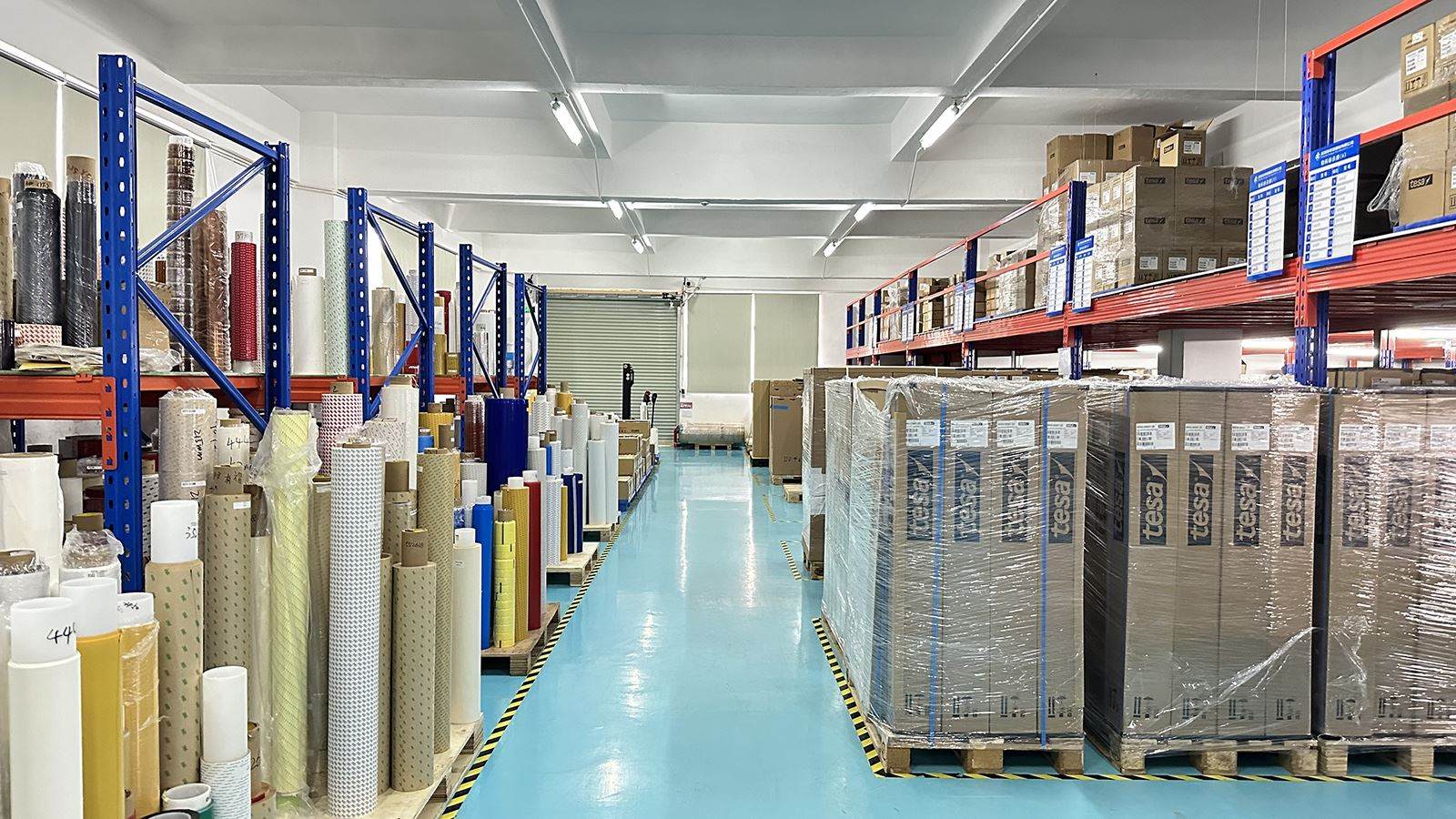
Shrink-sealed rolls, bagged and counted parts, kitted sets and custom printed cartons.
Service detailsSmall or soft parts built into a layer and presented in position, so an assembly places in one step.
Service detailsSend the drawing and the problem. We will review the material, liner and cutting route before quoting.