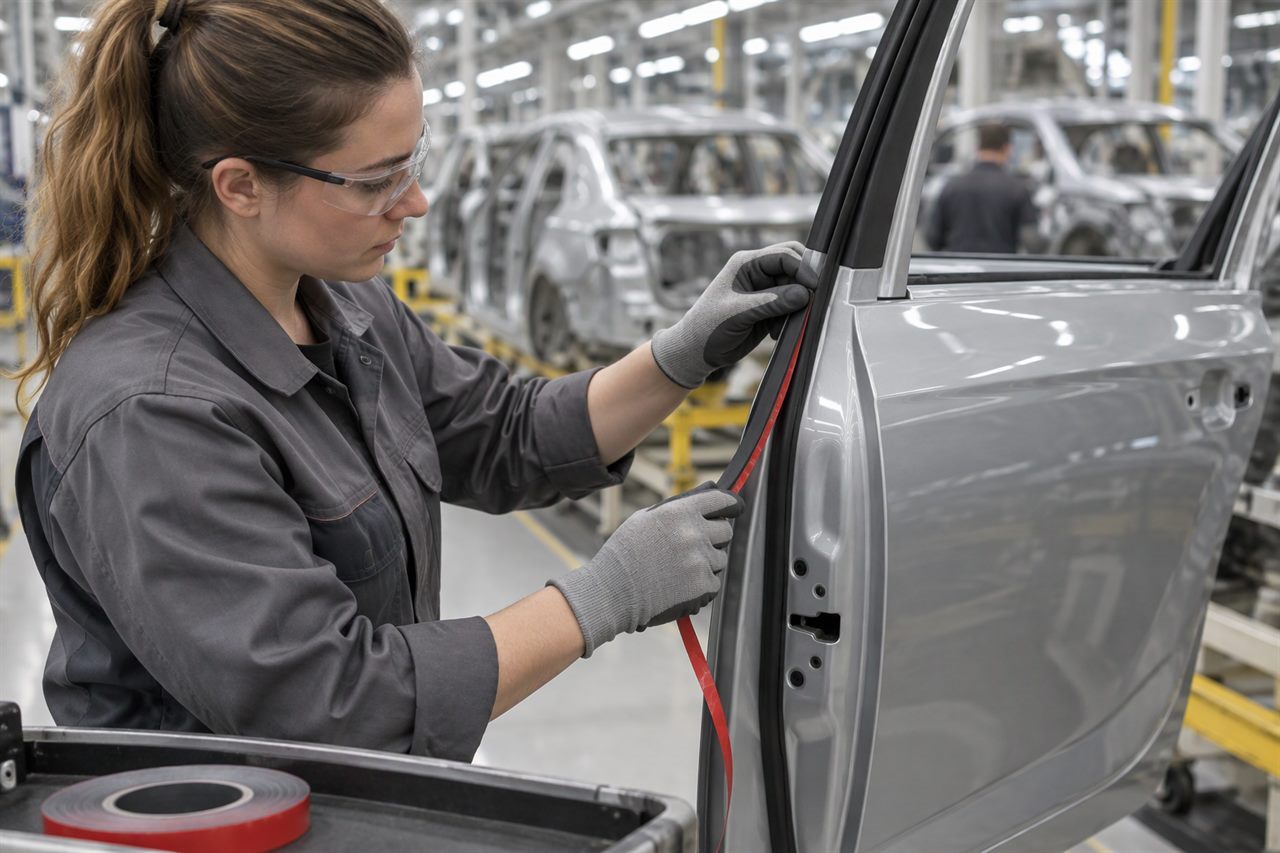
Automotive
Exterior trim, low-VOC interior, masking and label tapes for automotive manufacturing.
Bonding trim, linings, seals and labels inside the cabin, where the substrate is often low-energy or recycled and the emission limit is set by the programme rather than by the tape.
An interior bond is judged twice: once on the assembly line and once in a laboratory that measures what the cabin gives off. The parts make it harder at the same time, because recycled polypropylene, olefin skins and soft-touch coatings vary in surface energy from batch to batch, and a bond that passes this month can fail after a supplier changes a mould release agent. Tape is a small part of a vehicle and a large part of an emissions complaint, so the construction, the adhesive and the dwell all have to be documented.
We ask what the panel is actually made of, including recycled content, coating and any mould release, because surface energy and contamination decide the construction more than the part shape does. When a supplier changes a batch the bond has to be re-checked, so we record what was tested and against what.
Low-VOC and low-fogging behaviour is a property of the whole construction, not a line on a brochure. Tell us the limit document your customer applies and we shortlist materials against it and state which data exists for each option.
Light rigid trim, a thin decorative film and a heavy lining each need a different balance of initial tack, creep resistance and edge lift control. We review the load, the curvature and whether the part has to survive heat soak after assembly.
Interior parts are usually die-cut with apertures, fold-back tabs and a liner an operator can release one-handed. The presentation is agreed with the line before tooling is cut, because a good bond that cannot be placed is not a good part.
| Interior application | Typical construction | Product family |
|---|---|---|
| Headliner and parcel shelf lining | Acrylic foam or PE foam tape, low emission grade | Foam tape |
| Decorative trim and edge banding | PET double-sided tape or transfer tape | Double-sided tape |
| Cabin seals, felt and ducts | Cloth or foam tape with low odour adhesive | Masking & packaging tape |
| Labels and markings inside the cabin | Polyester film label stock | Specialty tape |
| Wire routing and clip retention | Acrylic foam tape, die-cut pads | Die-cut parts |
Constructions are starting points. The final choice depends on the substrate, process, test standard and volume.
Exterior trim, low-VOC interior, masking and label tapes for automotive manufacturing.
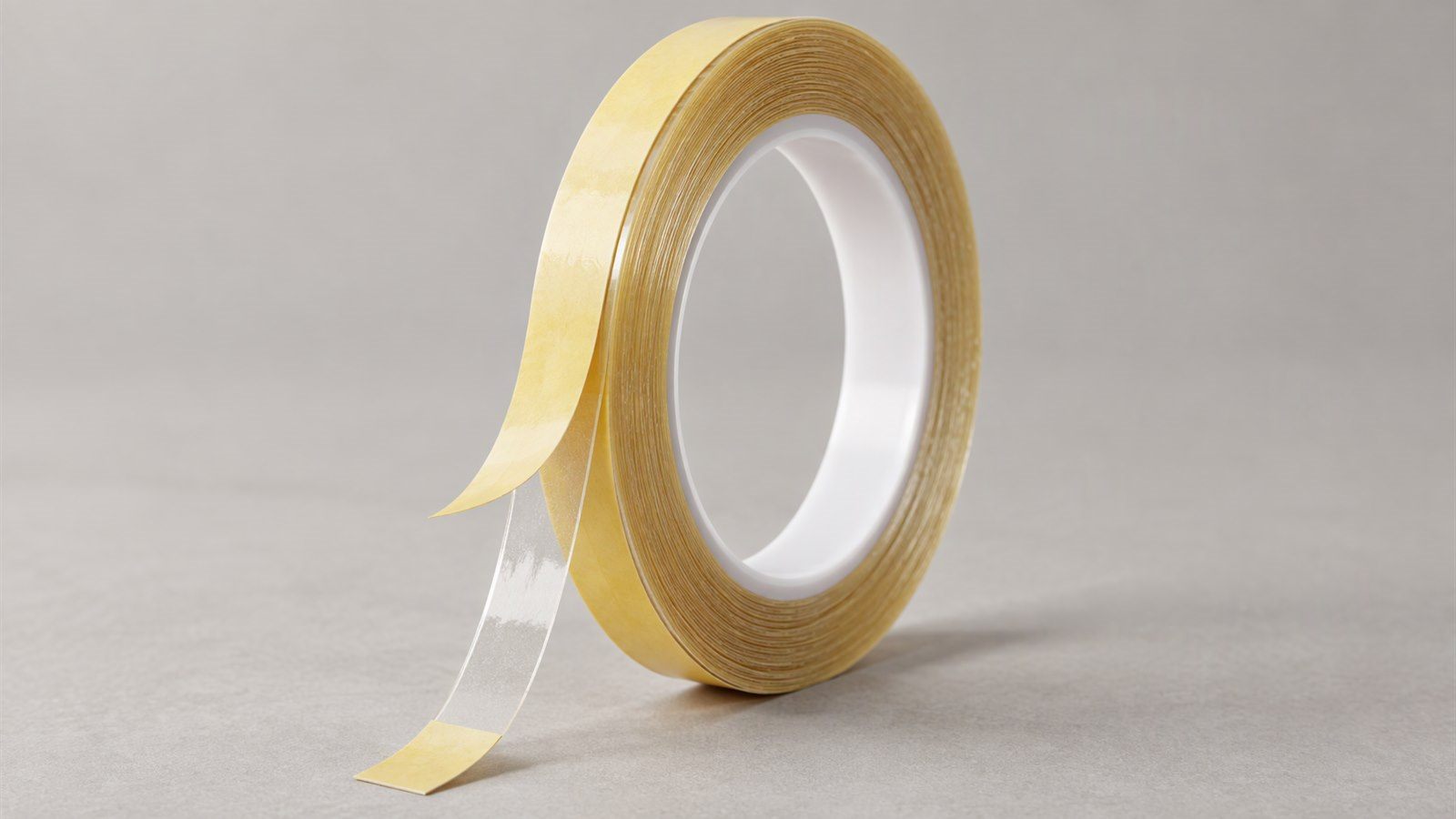
PET, non-woven, transfer and tissue tapes for electronics, automotive and appliance assembly.
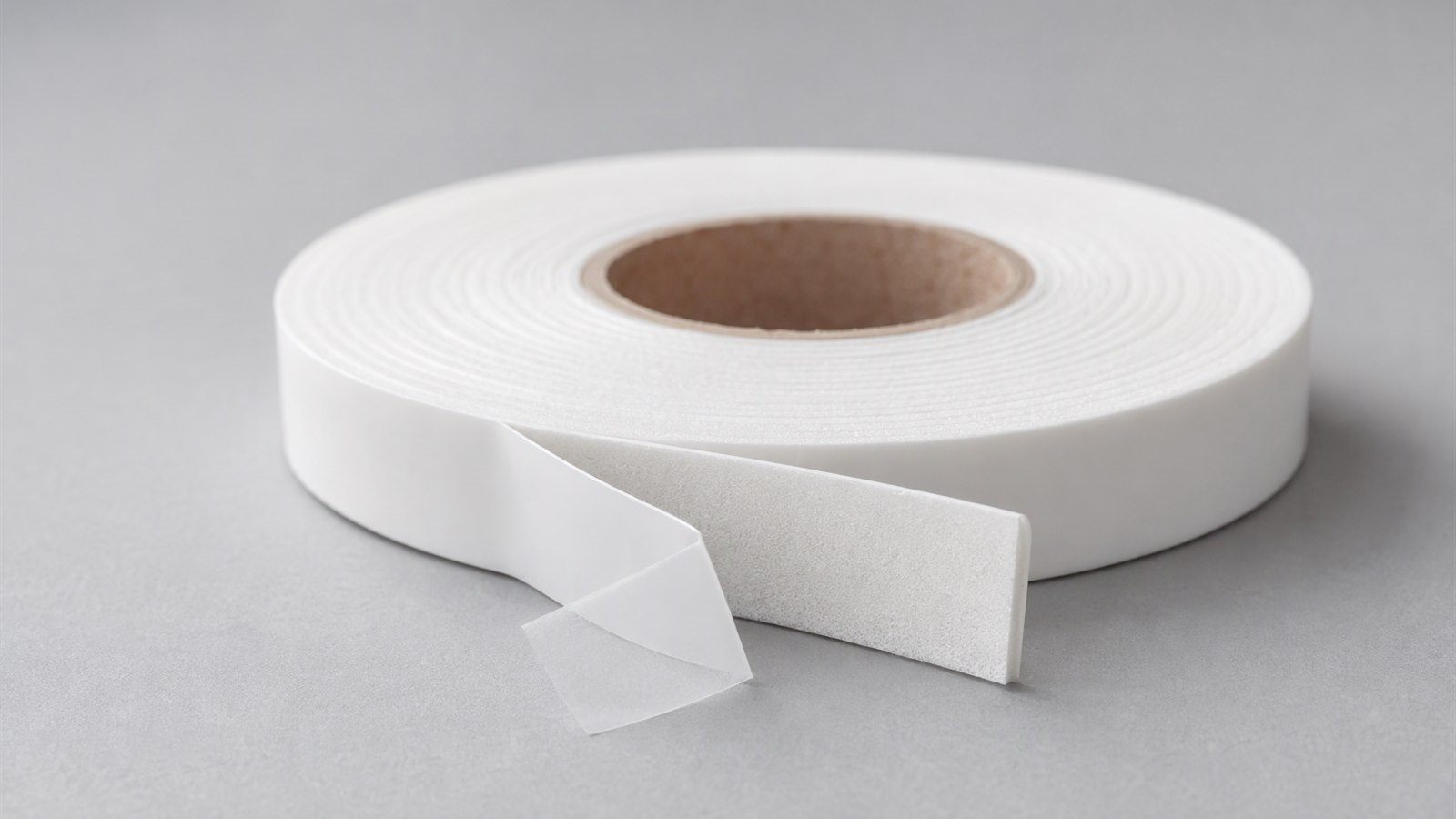
Acrylic foam, PE foam and VHB-style tapes for exterior trim, panels, glazing and appliance bonding.
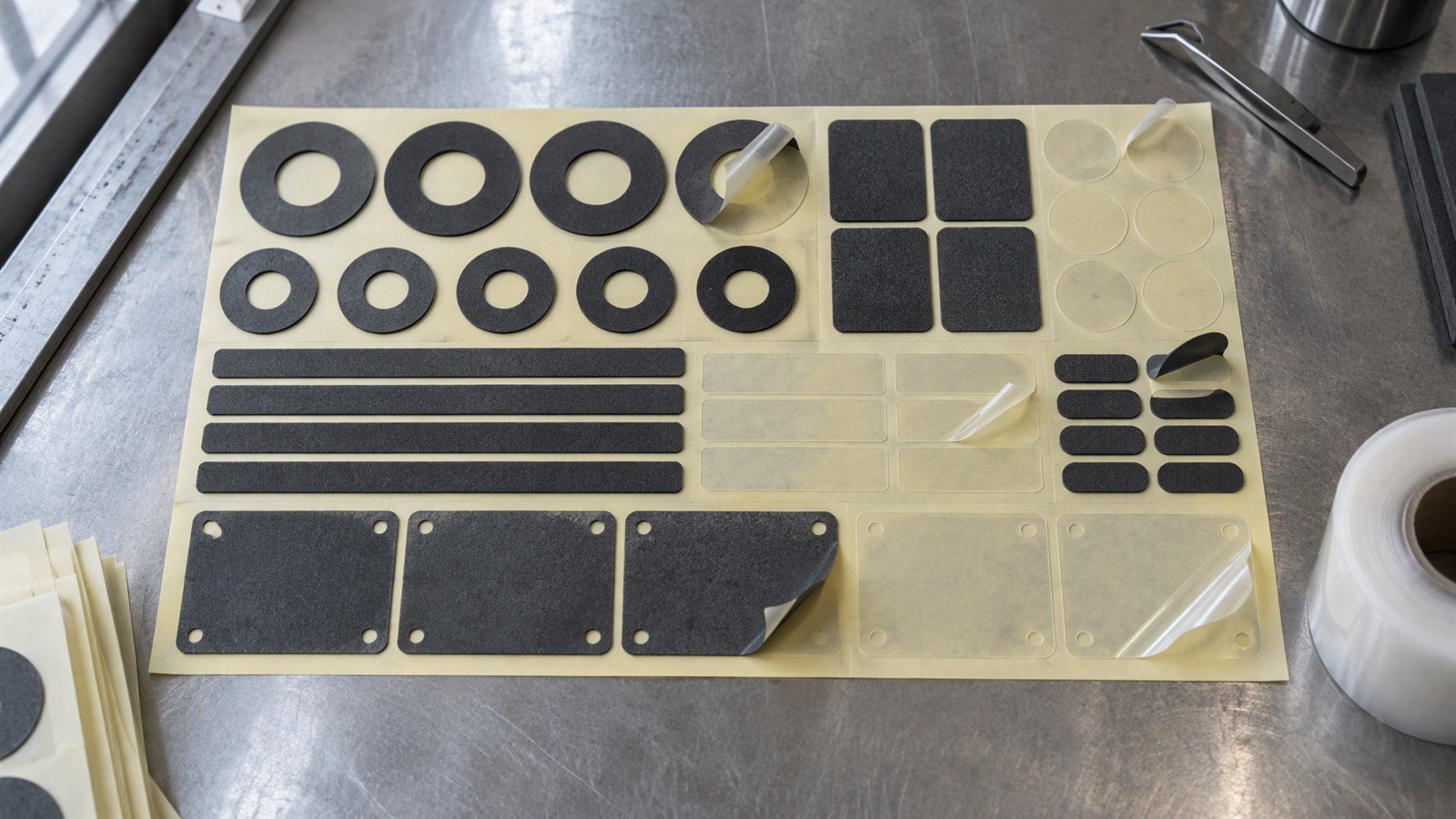
Custom adhesive parts from drawing to ready-to-install: flat-bed, rotary, laser cutting and kitting.
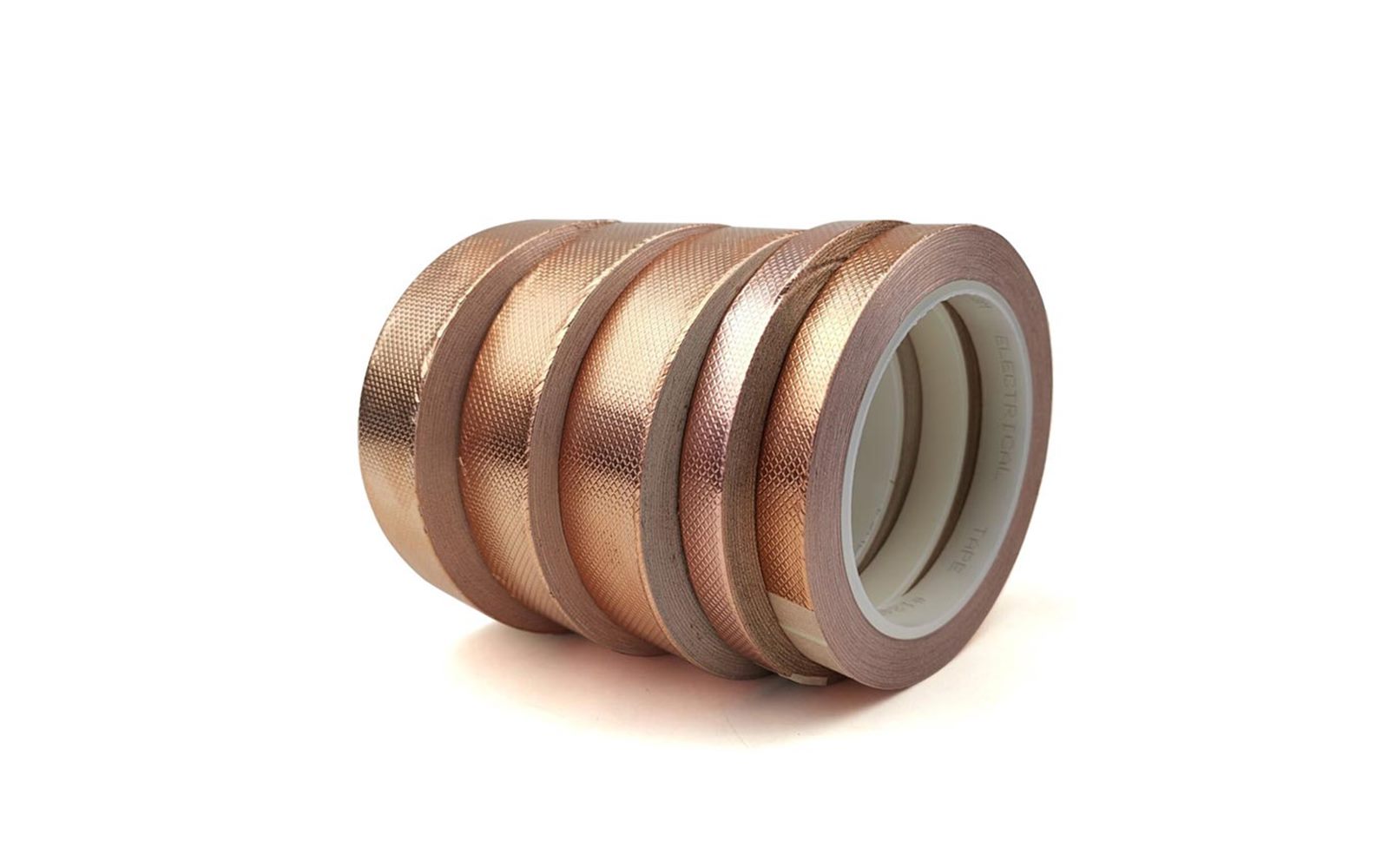
Easy-release, heat-reactive, low-VOC, medical IVD and laser-through glass tapes for demanding applications.
A photo, the substrate and the test you need are enough for a first review.