
Electronics & EMS
Display, battery, FPC and shielding tapes for consumer electronics and EMS assembly.
Fixing a back cover to a mid frame where the joint has to survive shock, dust and liquid, stay out of the way of charging and antenna, and open again for repair.
A back cover is now a functional part rather than a lid. It sits in front of a coil and an antenna, it is curved, and on some designs it has to come off. That pulls the bonding decision in three directions at once: mechanical strength for a drop, material compatibility for charging and signal, and a removable bond for service. A construction that is excellent at one of those is usually compromised at another, so the priority order has to be set before a grade is named.
Glass, ceramic, coated metal and composite behave differently under the same tape, and a coating or anti-glare layer can be the reason a bond fails. We ask what the cover is made of and what sits on top of it.
Bond line position, thickness and any metal layer are reviewed against the coil, the antenna and the camera module. A construction that works on a flat test coupon can still be wrong on the actual board layout.
A curved cover puts the tape in tension along the radius, and the corners lift first. We compare width, thickness and compliance instead of quoting the single strongest grade available.
Whether the cover is meant to be removed decides the adhesive family. Removable, stretch-release and permanent constructions are different products, so this is settled before anything is sampled.
| Back cover design | What the bond has to do | Product family |
|---|---|---|
| Glass cover on a metal frame | High strength in a thin bond line | Double-sided tape |
| Composite cover with wireless charging | No metal in the bond line, holds through heat | Double-sided tape |
| Curved edge cover | Conforms to the radius, resists edge lift | Foam tape |
| Cover that must open in service | Controlled release with little residue | Specialty tape |
| Prototype and short runs | Sample parts before a tooling decision | Die-cut parts |
Constructions are starting points. The final choice depends on the substrate, process, test standard and volume.
Display, battery, FPC and shielding tapes for consumer electronics and EMS assembly.
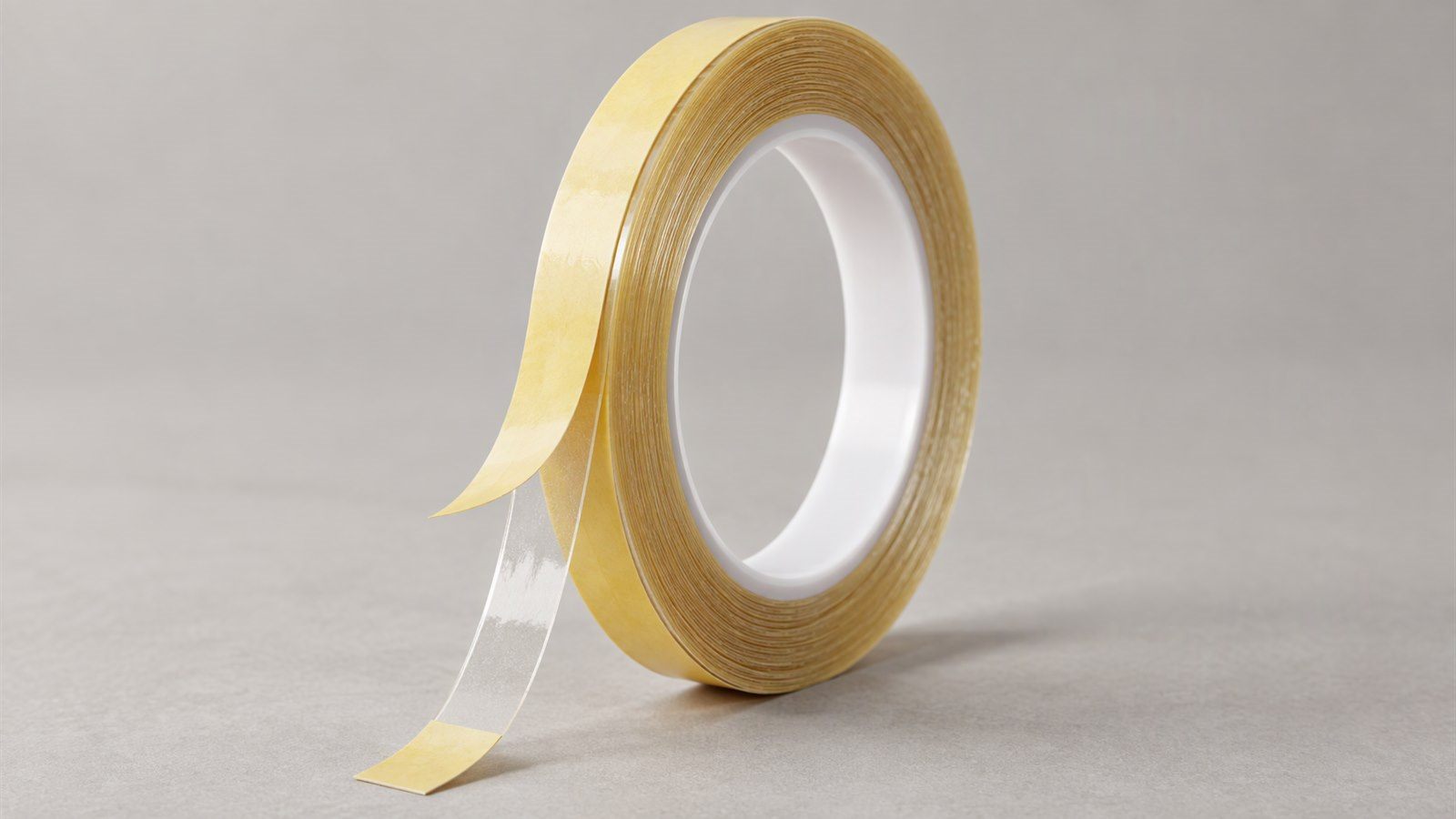
PET, non-woven, transfer and tissue tapes for electronics, automotive and appliance assembly.
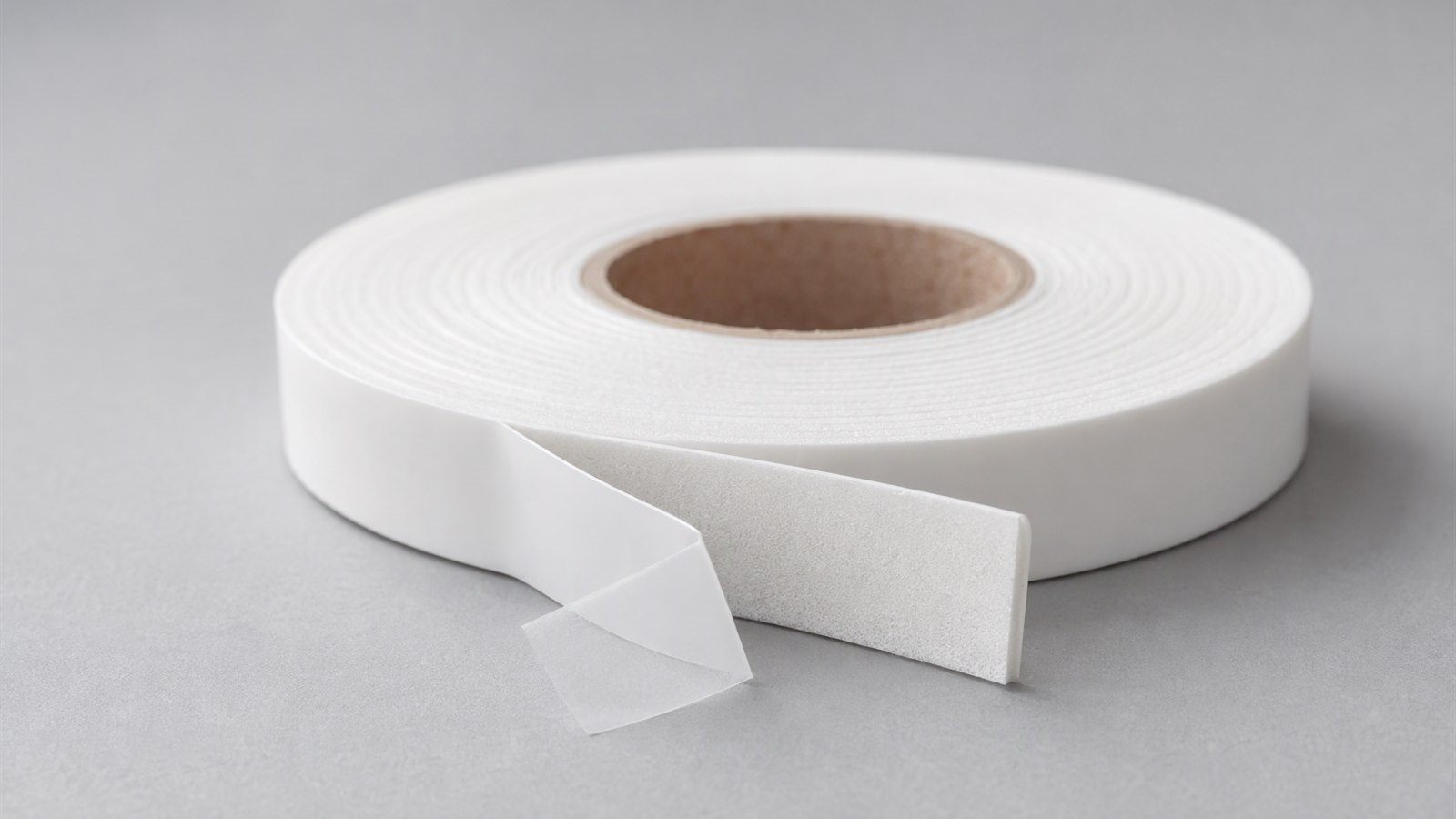
Acrylic foam, PE foam and VHB-style tapes for exterior trim, panels, glazing and appliance bonding.
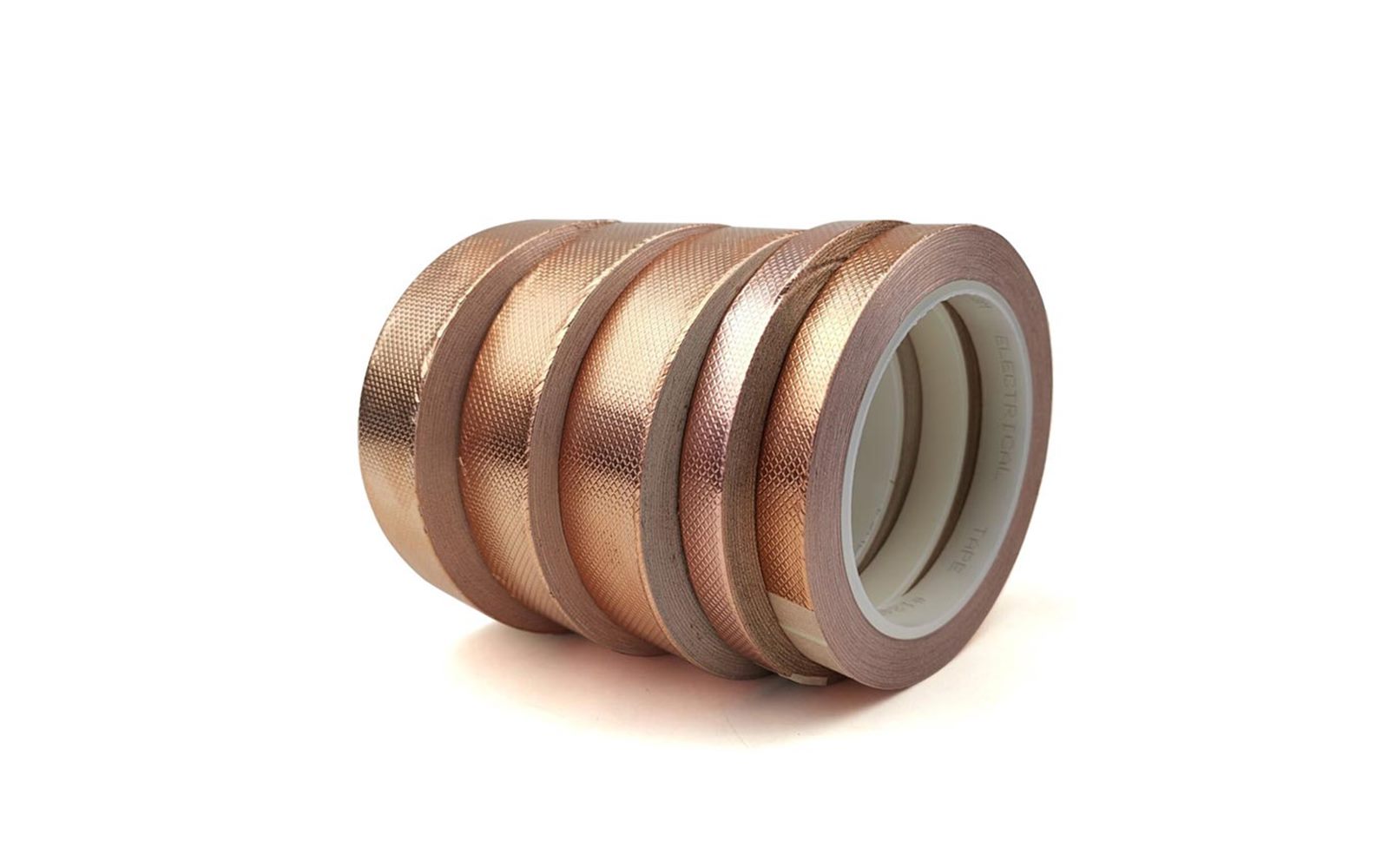
Easy-release, heat-reactive, low-VOC, medical IVD and laser-through glass tapes for demanding applications.
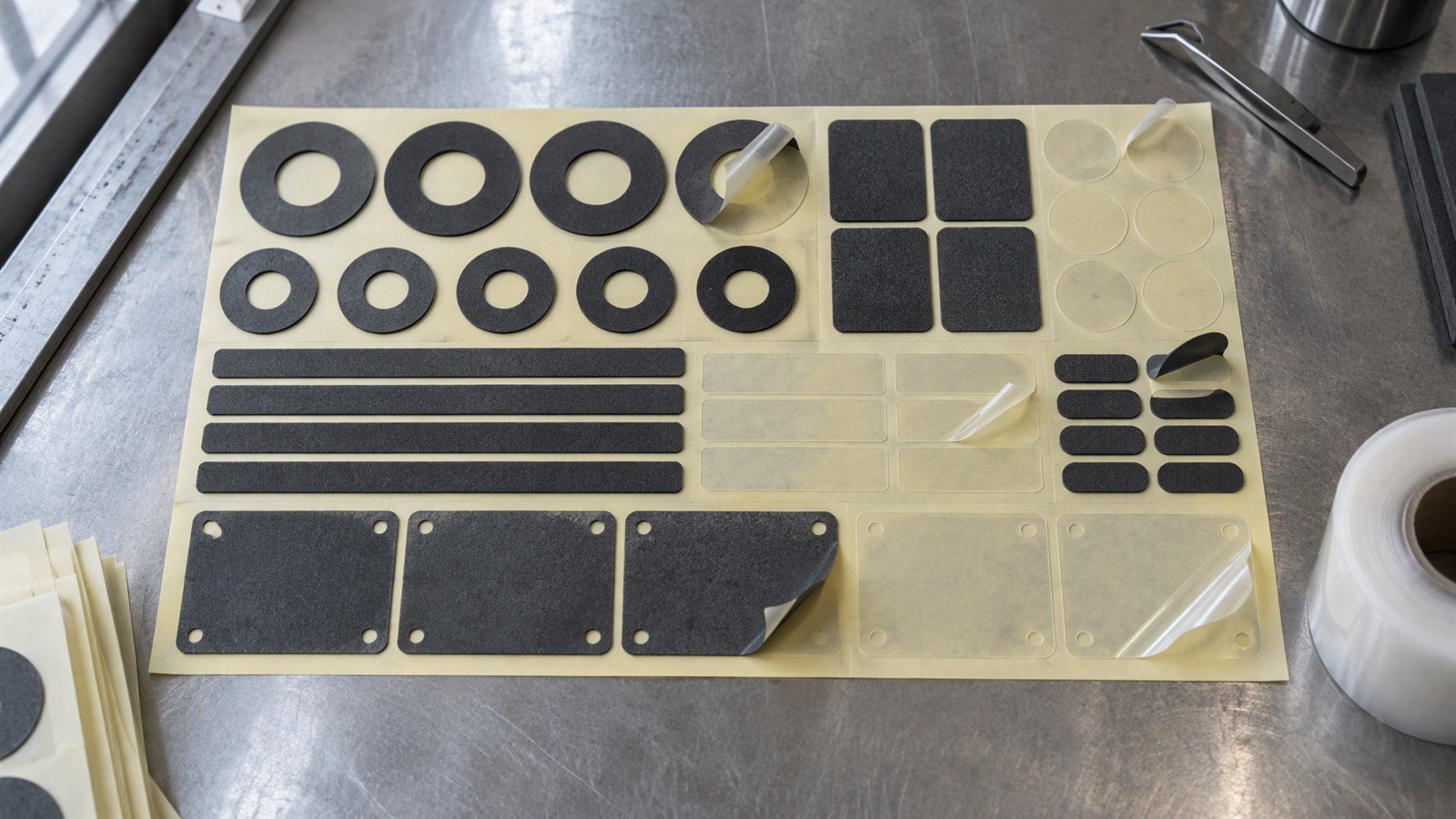
Custom adhesive parts from drawing to ready-to-install: flat-bed, rotary, laser cutting and kitting.
A photo, the substrate and the test you need are enough for a first review.