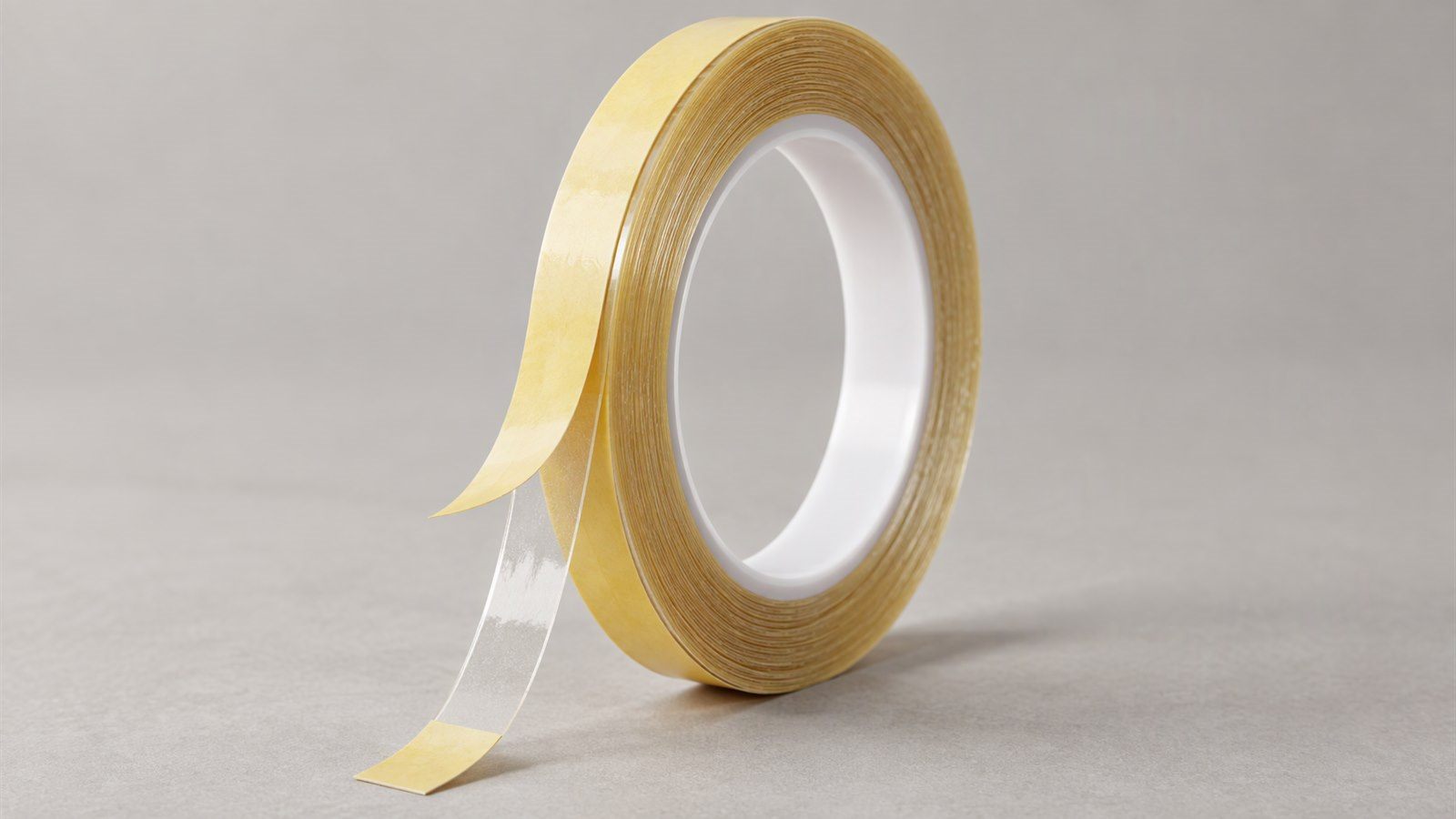
Double-Sided Tape
PET, non-woven, transfer and tissue tapes for electronics, automotive and appliance assembly.
View productAcrylic foam, PE foam and VHB-style tapes for exterior trim, panel bonding, window glazing and appliance assembly. Choose the right balance of peel, shear and conformability for your substrate and climate.
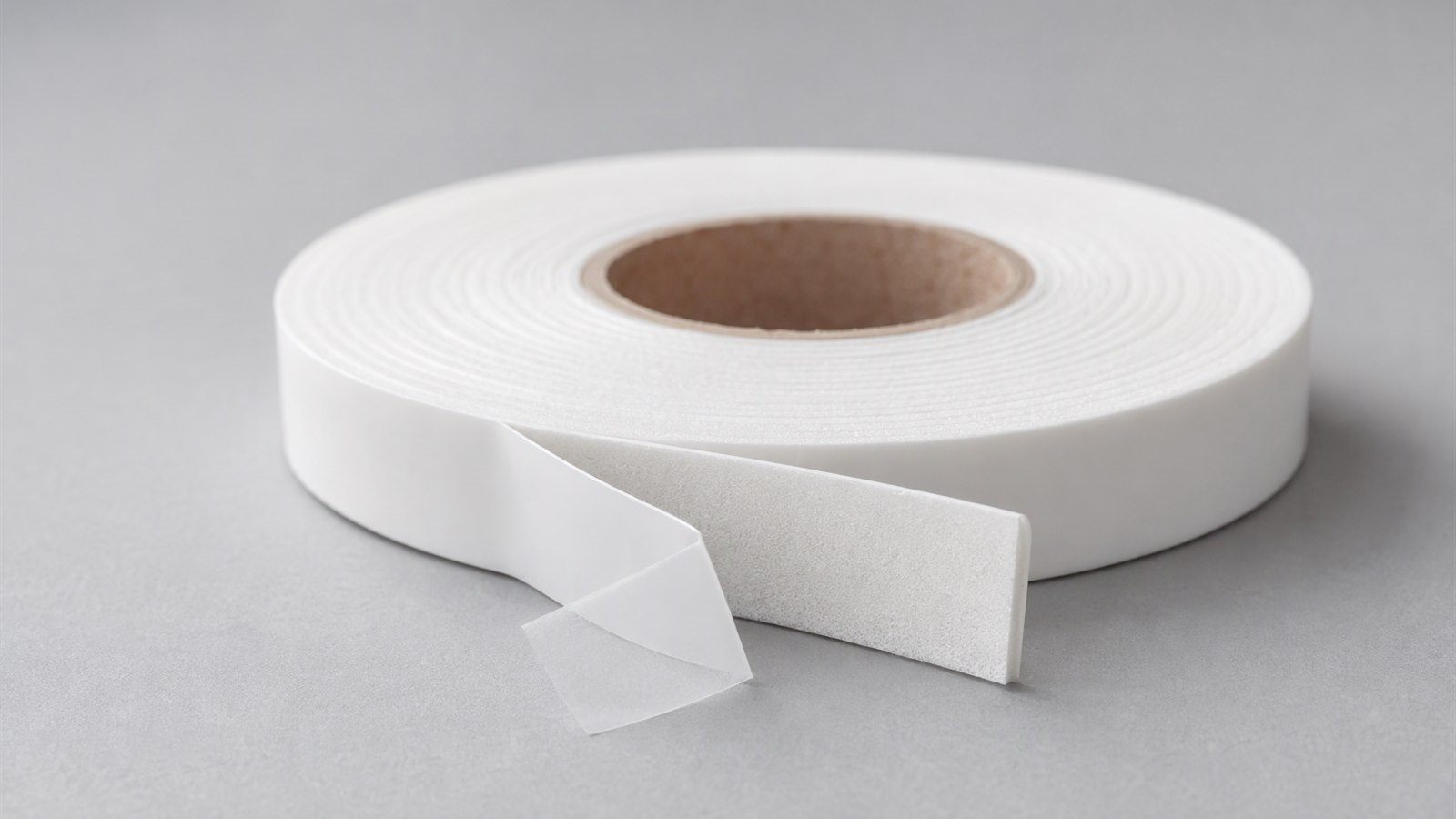
Acrylic foam, PE foam and VHB-style tapes for exterior trim, panel bonding, window glazing and appliance assembly. Choose the right balance of peel, shear and conformability for your substrate and climate.
Typical build-up for this product family. Layer order, carrier and thickness vary by grade.
| Layer | Typical material |
|---|---|
| Release liner | PE or PET film |
| Adhesive | Acrylic foam core with pressure-sensitive skin |
| Foam core | Acrylic or PE foam, 0.4–3.0 mm |
| Adhesive | Acrylic or rubber |
| Release liner | PE or PET film |
Viscoelastic acrylic core for high peel and shear strength on metal, glass and engineering plastics. Designed for exterior and structural bonding.
Softer, conformable foam for irregular surfaces, appliance panels, signage and general mounting.
High-strength structural bonding tapes for panels, frames and exterior components where fasteners are not desired.
Flexible polyurethane foam for gap filling, cushioning and vibration damping.
Values are typical and grade dependent. Confirm the final specification on the TDS for your selected product.
A family is not a product. These are the questions that narrow it down to one construction, in the order we ask them.
Foam thickness is chosen so the whole bond line stays in contact after the parts are pressed together. A tape that is too thin bonds only at the high points of the surface, which is why a good sample can fail on the second batch.
Foam cores need pressure and time to wet low-energy plastics and powder coats. The same construction that holds glass can lift at the corner of a textured bumper.
Viscoelastic acrylic foam carries load by spreading stress over area. A thin, flexible panel behaves differently from a stiff one under the same tape, so joint design comes before grade selection.
UV, thermal cycling and damp heat age the bond line, not the roll in the carton. Exterior applications are shortlisted on aged performance rather than fresh peel.
Foam tapes are built to hold. Removal usually needs heat, a cutting wire or destruction of the part, so a serviceable design is a different conversation.
Foam needs roller pressure, a clean surface and a dwell period before it is loaded. If the assembly is loaded immediately, that belongs in the process plan.
| Construction | Usual reason to choose it | What to check first |
|---|---|---|
| Acrylic foam (VHB-style) | High peel and shear on metal, glass and rigid plastics in exterior and structural joints. | Needs application pressure and dwell; verify the joint design before the grade. |
| PE foam | Conforming mount of signage, appliance panels and irregular surfaces at lower cost. | Lower high-temperature and long-term load performance than acrylic foam. |
| PU foam | Gap filling, cushioning, sealing and vibration damping where strength is secondary. | Open-cell variants take up moisture; check the exposure. |
| Closed-cell foam with acrylic adhesive | Weather seals and gaskets that must not absorb water. | Compression set after cycling decides the seal, not initial thickness. |
| Foam with two different adhesives | One side permanent, one side removable, or one side bonded to a difficult substrate. | Confirm which face is which on the drawing and on the liner marking. |
Every row is a starting point for a test, not a promise about your joint. The third column is the part that usually decides the outcome.
These are the items a quotation has to settle before material is cut. Each one is confirmed against your order, so no figure on this page is a standing commitment.
| Specification item | What we confirm |
|---|---|
| Core and skin | Foam type, thickness and the adhesive on each face; asymmetric constructions are stated face by face. |
| Thickness and tolerance | Nominal thickness with the tolerance band you need, confirmed against the order rather than quoted as a generic figure. |
| Format | Jumbo or slit roll, pre-cut lengths, die-cut gaskets or parts on a slit liner. |
| Width and length | Slit width and metres per roll, with roll outer diameter limited to what your dispenser or applicator takes. |
| Liner | Type, thickness and release level; extended or slit liner for automated pick-up. |
| Primer or adhesion promoter | Whether the application needs one, and who supplies it. We state the recommendation with the sample rather than leaving it to the line. |
| Storage and shelf handling | Foam rolls are packed flat and unloaded so the cell structure is not set in transit; pallet stacking weight is limited accordingly. |
| MOQ and timing | Sample rolls and die-cut samples are available. Production quantity and dates are confirmed at quotation once construction and format are fixed. |
| What gets verified | How it is measured |
|---|---|
| Peel after dwell | Measured on your substrate after the bonding procedure we recommend, because a fresh peel number on foam tells you very little. |
| Static shear at temperature | The load held at the top of the service range, which is where an exterior joint is actually won or lost. |
| Thermal cycling and damp heat | Cycle the assembly, then re-test; the result is what a humid, hot climate reports back. |
| Compression set | How much the foam recovers after being held compressed, which decides a seal as much as adhesion does. |
Ask for the method and the condition, not only the number: the same material reads differently on a clean test panel and on a part from your line.
Freight term, routing and destination charges are stated on the quotation. The technical guides and the logistics notes explain how each line is derived.
tesa ACXplus 7072 · tesa 62934 / 62625 · 3M VHB GPL / GPH · Sekisui PE-foam and non-woven double-sided tapes
PET, non-woven, transfer and tissue tapes for electronics, automotive and appliance assembly.
View product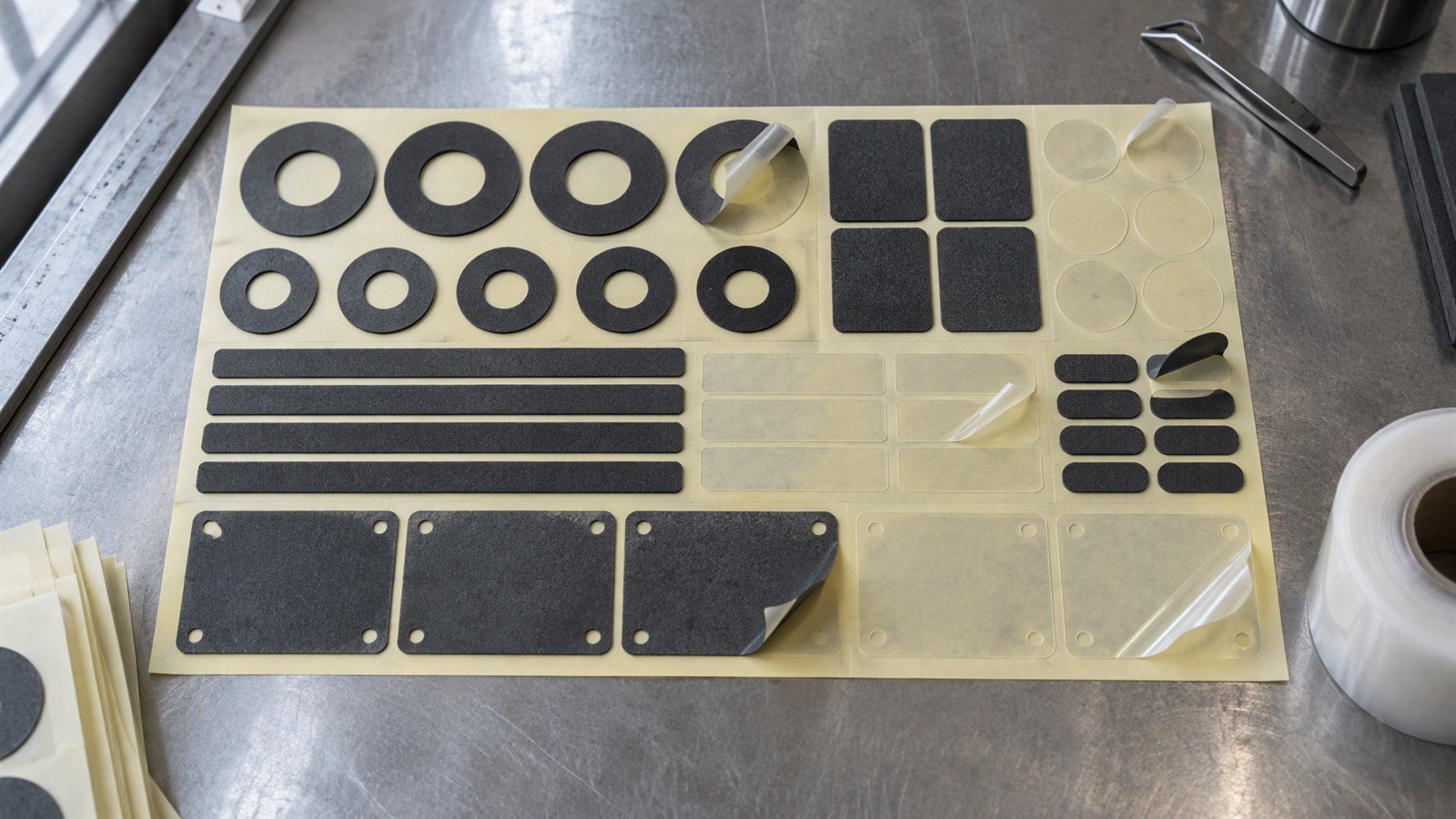
Custom adhesive parts from drawing to ready-to-install: flat-bed, rotary, laser cutting and kitting.
View product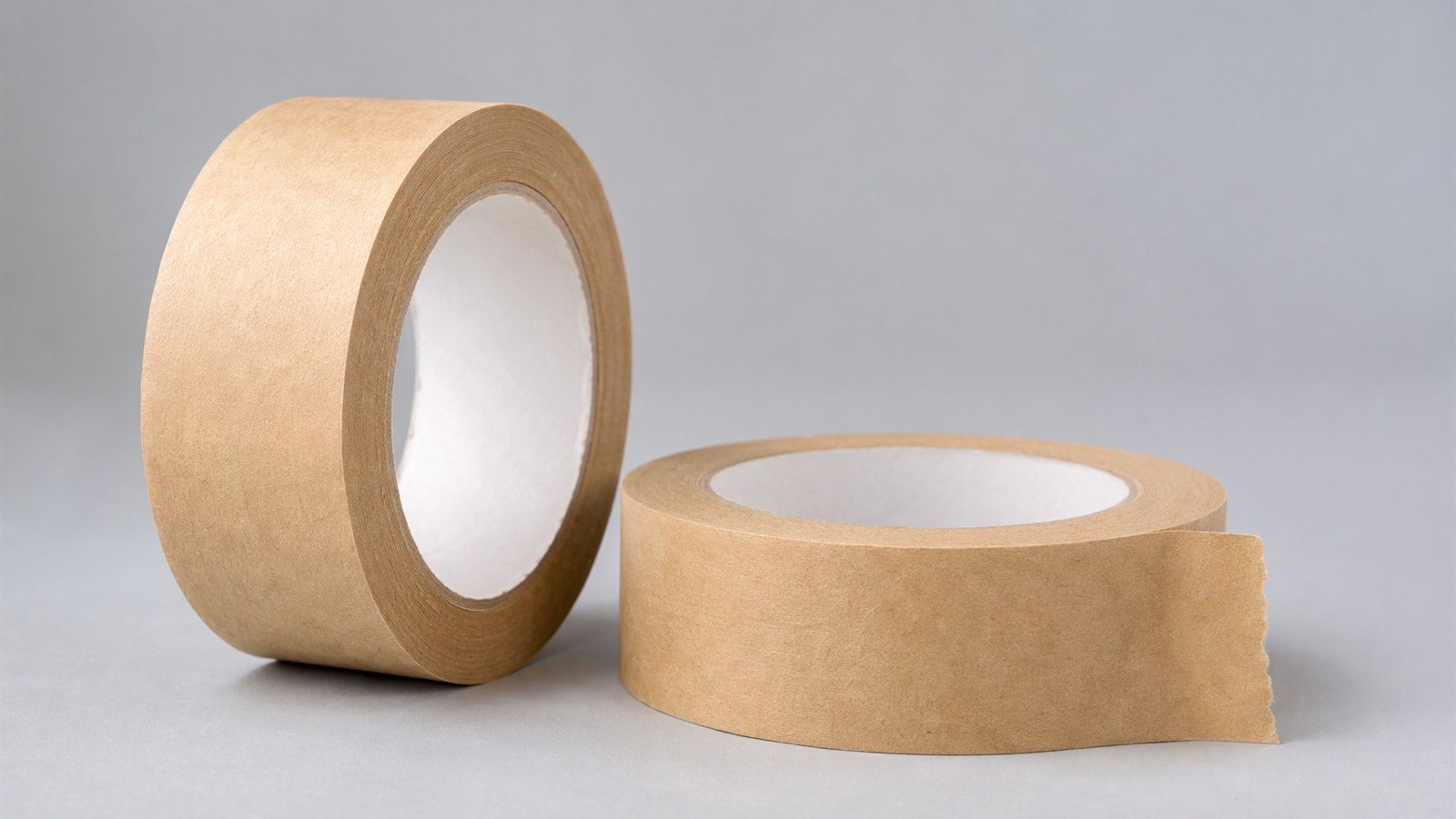
Masking, cloth, duct and MOPP tapes for painting, protection, bundling and carton sealing.
View productSend a drawing or a dimensioned photo. We will confirm material, tooling route, tolerance and lead time.