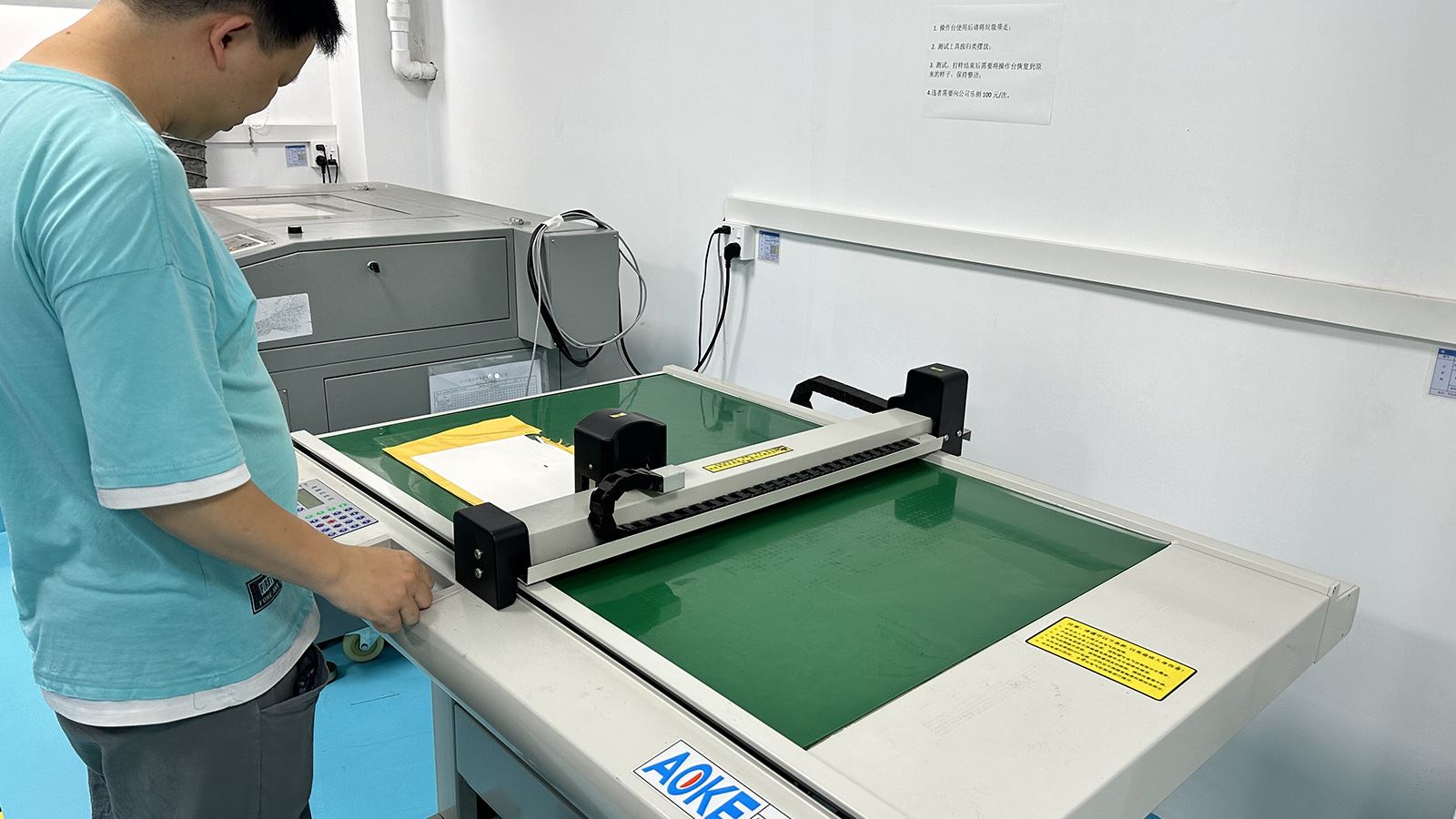
Die Cutting
Flat-bed, rotary and laser cutting from drawing to ready-to-install parts.
Service detailsTape converted into sheets instead of rolls: cut to a width and a length, single or stacked, loose or held on a liner, for assemblies that need a piece rather than a reel.
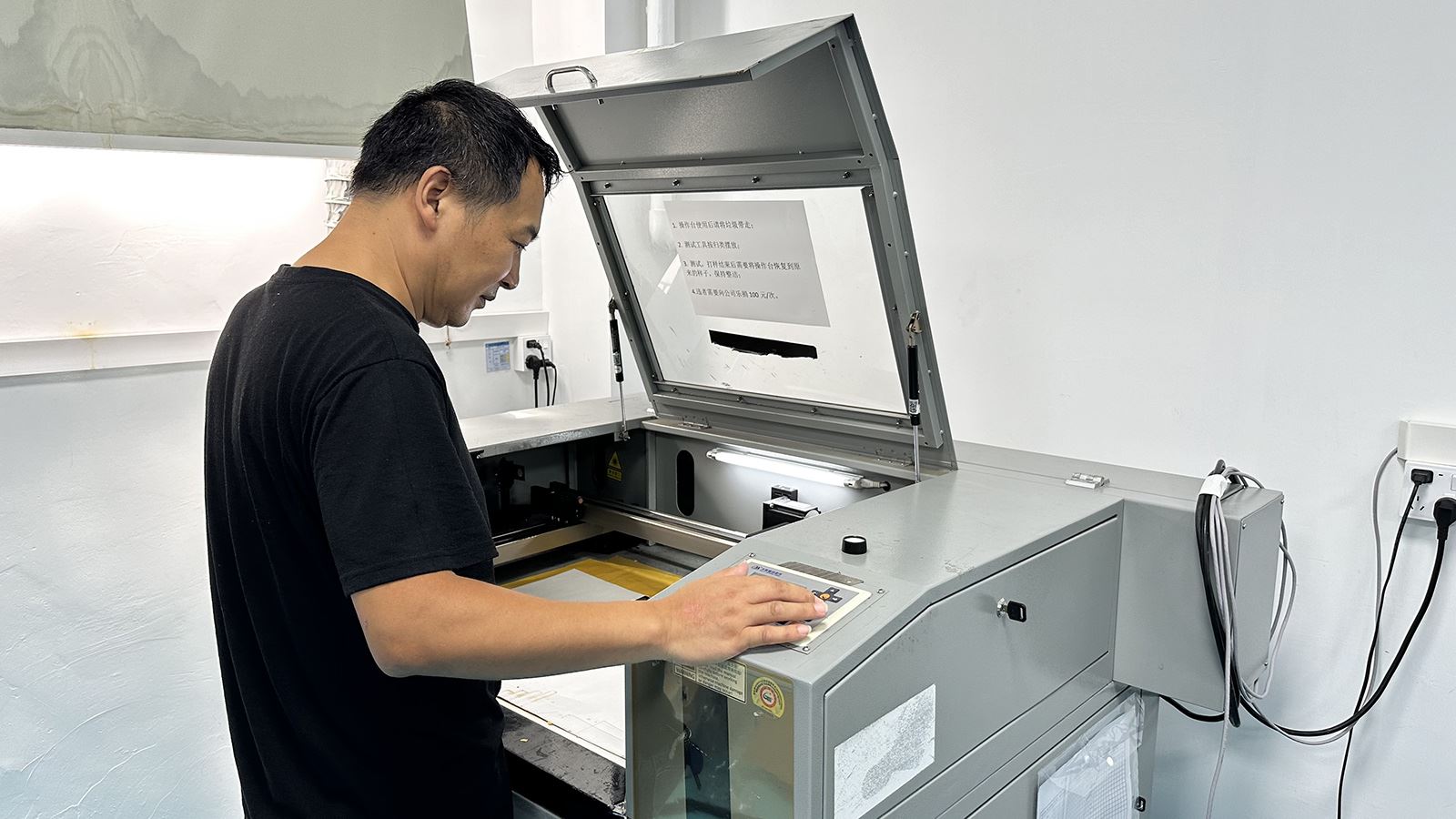
A roll is the wrong unit of supply in a lot of factories. A station that places one square pad per product does not want to cut it from a roll at the bench, and a worker who cuts tape at the line creates a variable bond line plus a waste stream. Sheeting moves that cut to the converting floor, where the dimension is set once and then repeated.
Sheeting looks simple, which is why it goes wrong in two places: how the sheet is held while it is cut, and how it is released afterwards. Both depend on what happens at the point of use, so the presentation is agreed before the size is quoted.
Tape or laminate cut to a stated width and length, as single sheets or stacked to build thickness.
The material is cut and the liner is not, so parts stay in position and are peeled one at a time.
Spacing, perforation and tear lines set against how the sheet is used and by whom.
A laminated build cut as one sheet, so the layers stay registered with each other.
The liner is cut from the reverse to make a small part easier to release by hand.
Tear positions, identification marks and repeating feature layouts built into the sheet.
What sits behind the service page, stated the same way as on the plant page, so a capacity claim can be checked in one place rather than in five.
Large sheets, low volumes and materials that should not be heated or compressed, with the tool path taken from the drawing.
Stacked sheets and thicker materials, where hold-down and nesting decide both the dimension and the edge.
Continuous lengths cut to a repeat, used when the sheet comes off a line rather than off a press.
Half-cut, back-cut and slit-edge liner work, chosen against how the part is picked up.
| Specification item | How it gets confirmed |
|---|---|
| Width and length | Stated with the tolerance that matters on the assembly, because a sheet has two dimensions and usually only one of them is functional. |
| Stack or single | Whether sheets are cut one at a time or built up in layers to reach a thickness. |
| Liner and release | Loose, half-cut on liner, back-cut liner or interleaved, decided by who handles the part next. |
| Gap and perforation | Repeat pattern, perforation and tear-line positions, where the layout is part of the function. |
| Edge condition | Acceptable burrs, bleed and dust, agreed against a boundary sample rather than argued afterwards. |
| Count and packing | Pieces per bag or per sheet, and how a pack is verified without opening it. |
Nothing in this table is a standing promise. It is the list we work through with you; the answers end up in the quotation and on the work order.
Confirm width, length, stack, liner and whether the part is loose or held in position.
Choose the cutting route, the hold-down and the sheet layout against the material.
Cut a sample sheet for fit, release quality and count before the run.
Run, inspect dimensions and presentation, then pack to the stated count.
Send what you already have. A partial list still gets a useful answer, and whatever is missing simply becomes the question we ask back.
Width and length measured on the production material and reported against the drawing.
Peel from the liner assessed on the sample, so a surprise is not discovered at the station.
Pack counts checked during packing and printed on the label, so receiving does not count parts.
Freight term, routing and destination charges are stated on the quotation. The logistics notes and the technical guides explain how each of those lines is worked out.
The material list is a guide. Send the grade or performance requirement and we will confirm compatibility with the cutting route.
Flat-bed, rotary and laser cutting from drawing to ready-to-install parts.
Service details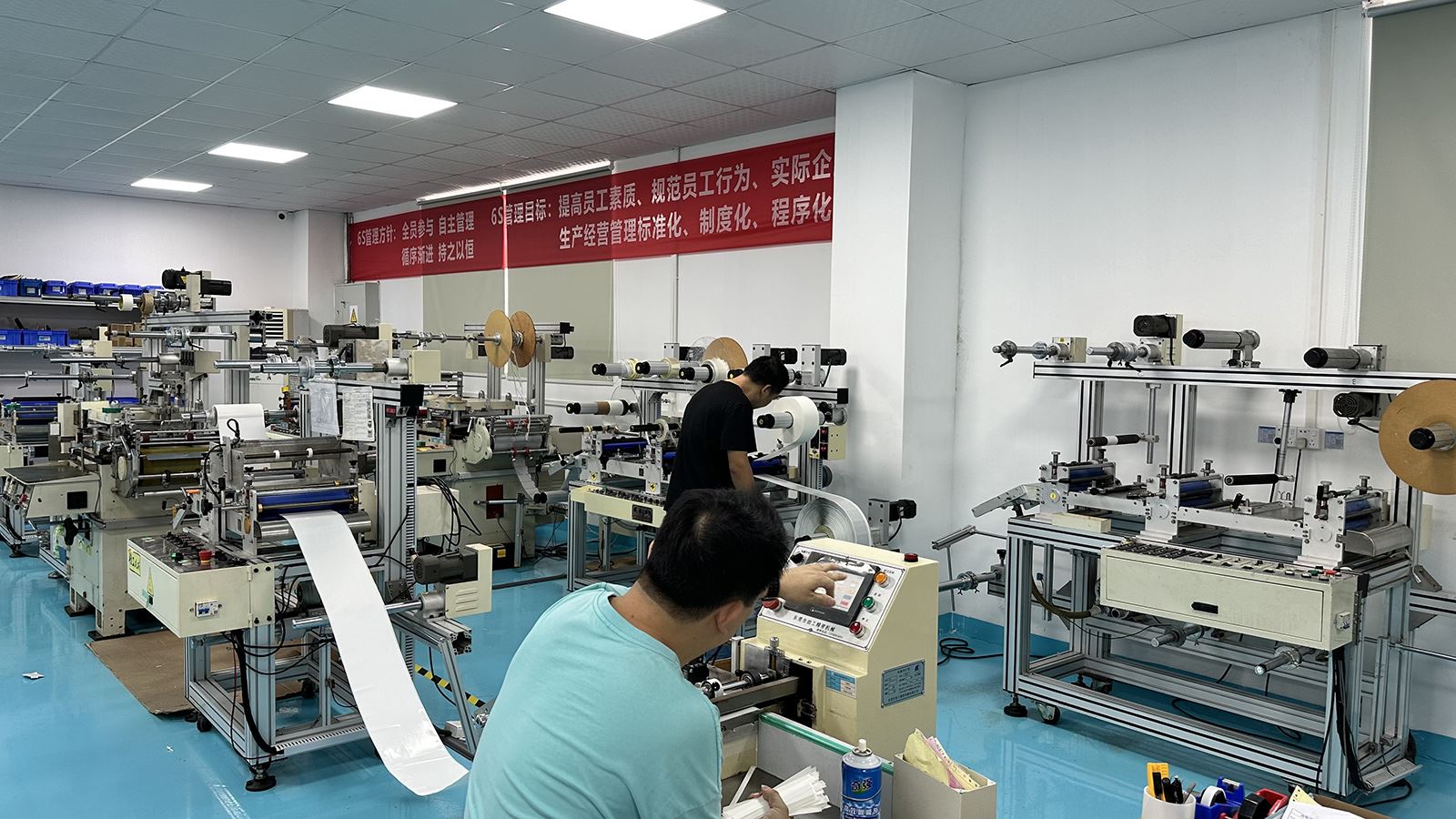
Custom widths, spooling and tension-controlled rewinding from jumbo rolls.
Service details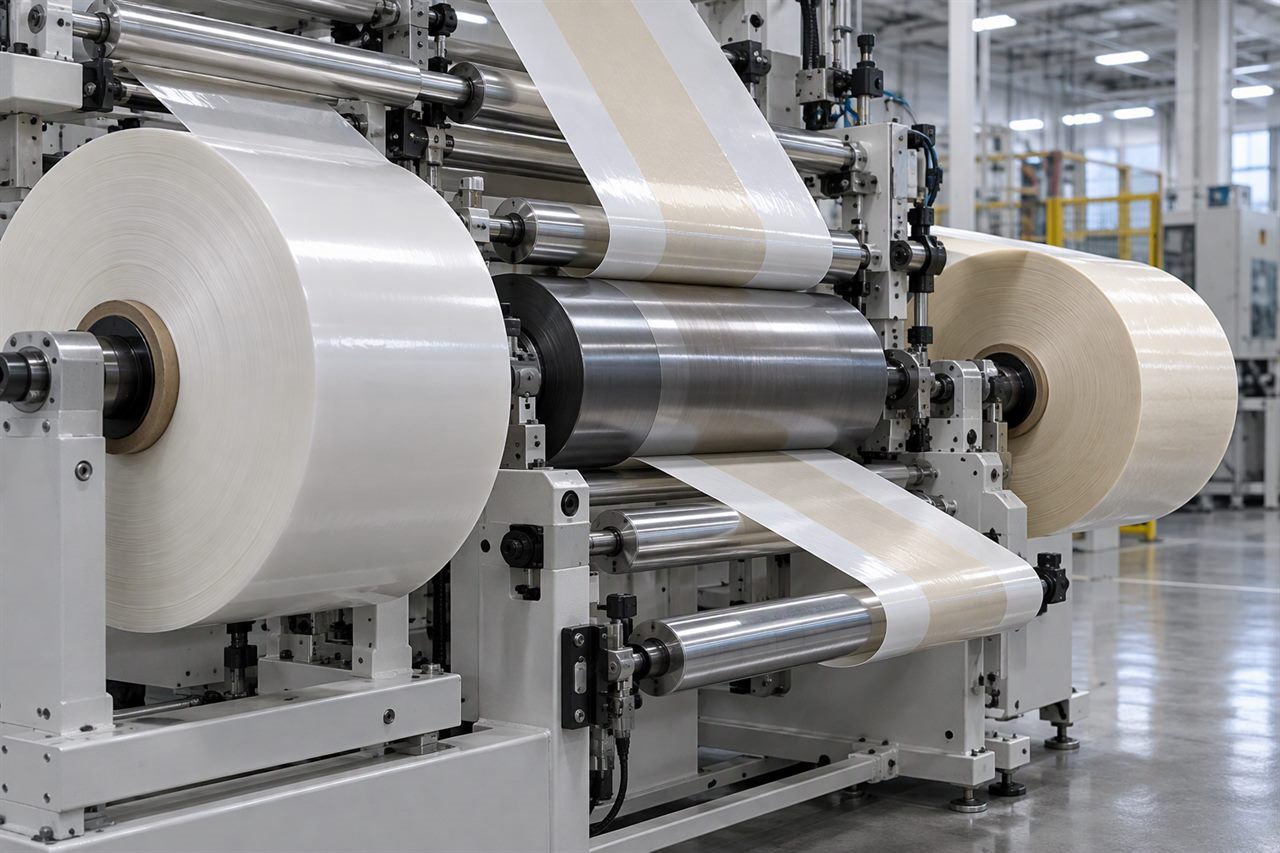
Tape + foam, film, liner and multi-layer adhesive constructions.
Service details
Private-label rolls, printed tape, custom packaging and kitted supply programs.
Service detailsMaterial selection, prototyping and supply programs for new projects.
Service detailsFlexographic printing on tape backs, liners, cores and packaging for identification and branding.
Service details
Rolls spliced and wound onto one core so an automated line runs without a roll change.
Service details
Shrink-sealed rolls, bagged and counted parts, kitted sets and custom printed cartons.
Service detailsSmall or soft parts built into a layer and presented in position, so an assembly places in one step.
Service detailsSend the drawing and the problem. We will review the material, liner and cutting route before quoting.