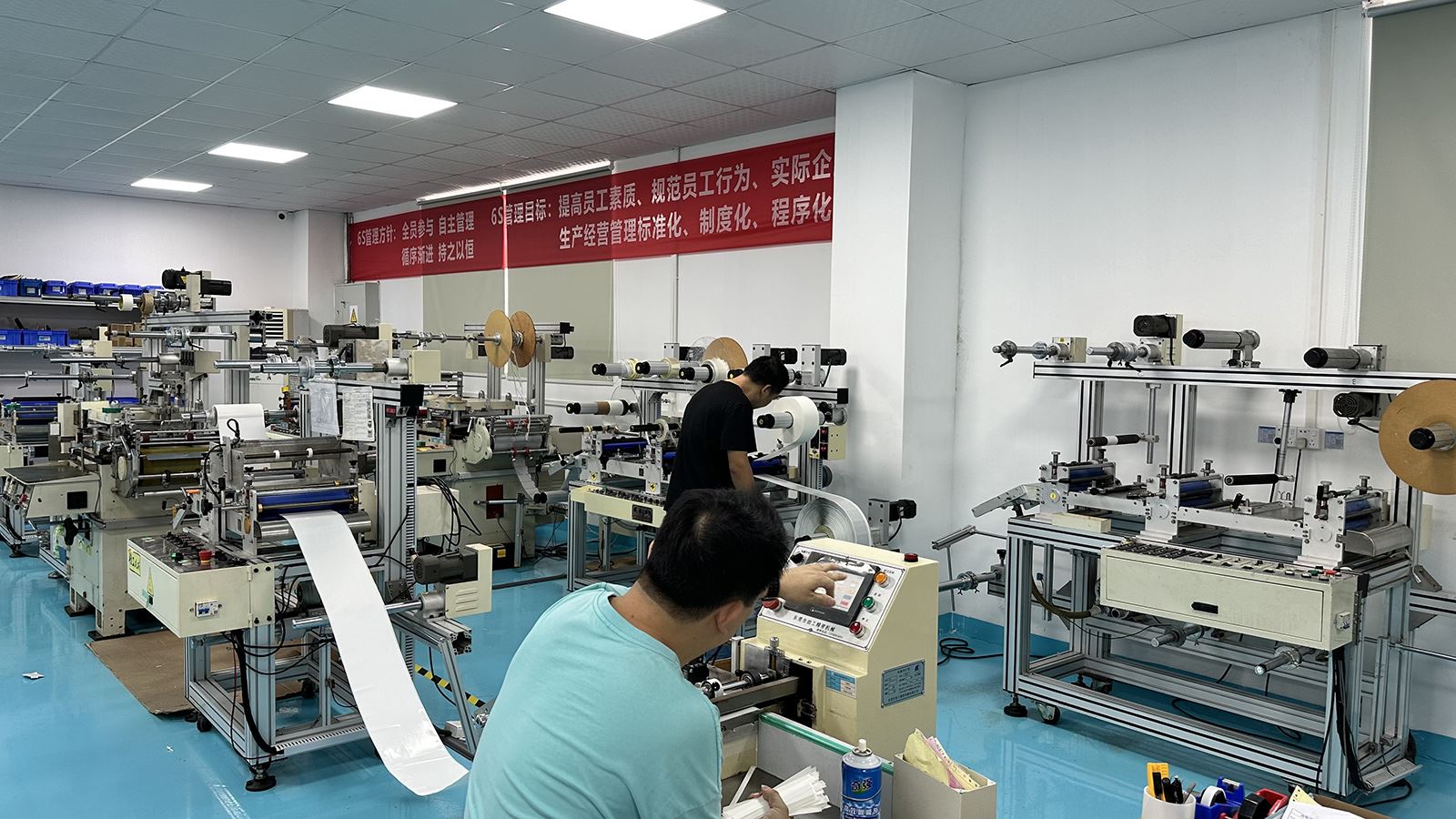
Slitting & Rewinding
Custom widths, spooling and tension-controlled rewinding from jumbo rolls.
Service detailsFrom jumbo rolls to ready-to-install parts: flat-bed and rotary die-cutting, laser cutting, lamination and kitting, supported by in-house tooling and first-article inspection.
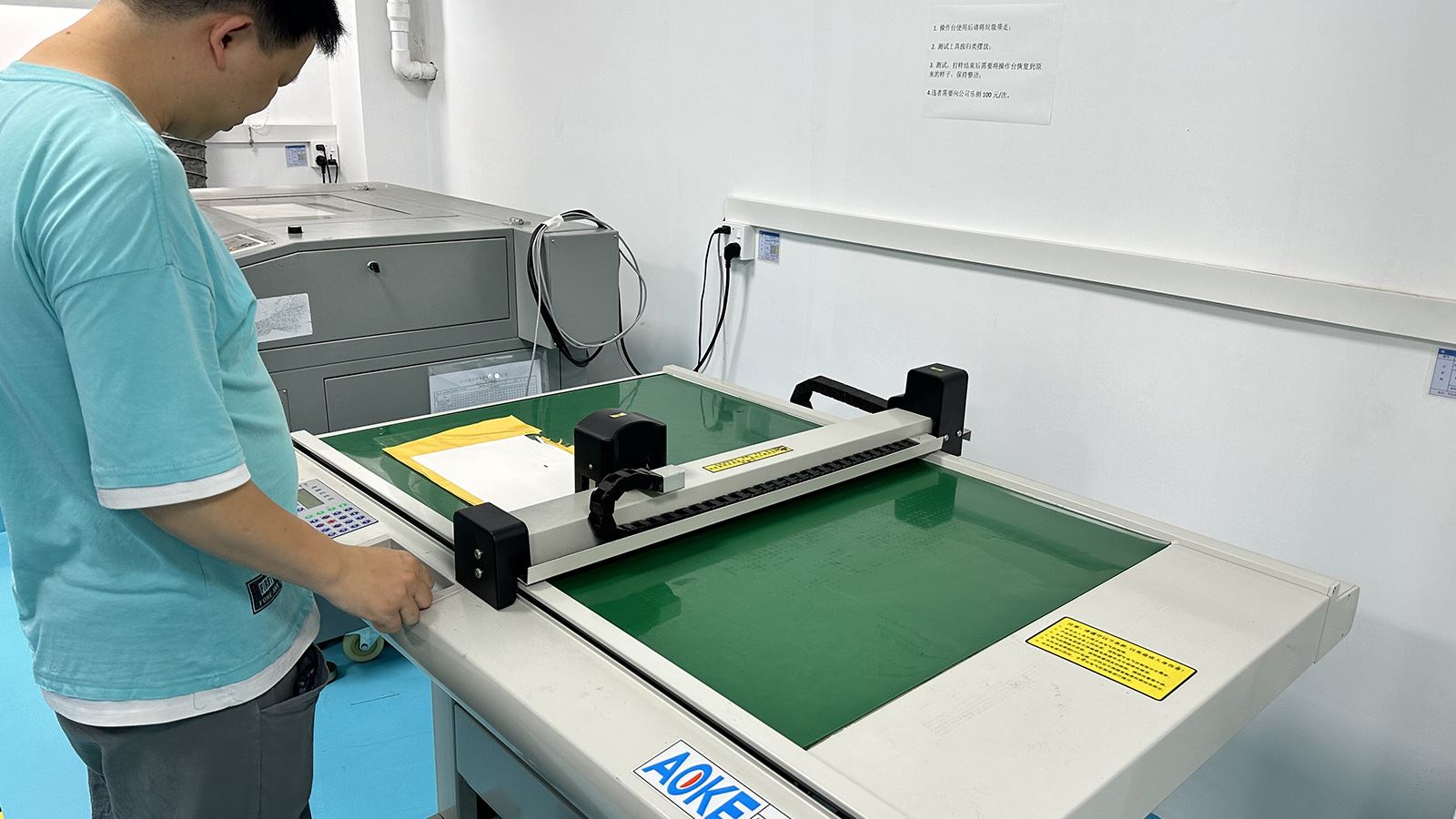
Die-cutting is where a tape becomes a part. The material, the liner and the adhesive are already chosen; our job is to cut them to a drawing, hold the dimensions that matter across a run, and present the result so your line can pick it up without touching the adhesive face.
We run flat-bed and rotary die-cutting with CNC and laser cutting behind them, in the same plant as the slitting and lamination lines. That matters on a converted part: a dimension, a liner release or a nesting layout can usually be fixed by changing the setup, and the person who can change it is standing next to the machine.
Prototype to mass production; complex outlines, narrow edges and multi-layer constructions.
High-volume roll-to-roll production with stable tolerance and efficient material use.
Complex shapes and fast prototypes without hard tooling.
Tape + foam, film, liner or another adhesive layer.
Multi-part sets, sequence packing and custom presentation.
First article, dimensional and visual checks; batch traceability.
What sits behind the service page, stated the same way as on the plant page, so a capacity claim can be checked in one place rather than in five.
Thicker materials, foam and laminates, parts that still change, and programs where tooling cost has to stay low. Sheet layout and nesting are set with the pick method in mind.
Roll-to-roll for stable, thinner materials at volume, with continuous matrix stripping and registration carried from the web rather than from a sheet.
Complex outlines and prototype quantities with no hard tooling, so a design can be revised before anyone commits to a cylinder or a steel rule.
Thick stacks, large low-volume parts and materials that should not be heated. Fixturing and tool path are settled on the drawing review.
Whether a change needs a new tool, a modified tool or only a setup is answered before the order, because that answer is what the next revision costs.
| Specification item | How it gets confirmed |
|---|---|
| Drawing and revision | Built and quoted against a stated revision; the revision is what the first-article report and the packing label carry. |
| Tolerance | Stated per feature against your drawing, after the material and the cutting route are known. We do not quote a generic band for a part we have not seen. |
| Material build-up | Grade, carrier, adhesive, thickness and liner recorded on the work order, so a repeat order is the same part rather than a similar one. |
| Liner and release | Liner type, slit or extended edge, release level and pick direction agreed against your feeder or your operator before the run. |
| Matrix handling | Stripped, weeded or back-perforated, chosen by part size and fragility; this is a process decision and it belongs in the order. |
| Adhesive bleed and edge quality | Tool, pressure and material condition set so bleed and die marks stay inside what the approved boundary sample shows. |
| Volume and tooling route | Prototype, pilot and production routes quoted separately, so you can see what a volume step actually changes. |
| Inspection and approval | First-article scope, report format, who approves and what re-approves after a change, agreed before tooling is cut. |
Nothing in this table is a standing promise. It is the list we work through with you; the answers end up in the quotation and on the work order.
Send PDF, DXF, STEP or a dimensioned sample. We review manufacturability and propose material and liner.
We choose flat-bed, rotary or laser tooling based on shape, volume and tolerance.
We produce a sample for fit and function, with first-article inspection.
After approval, we run production with dimensional and visual checks and batch traceability.
Send what you already have. A partial list still gets a useful answer, and whatever is missing simply becomes the question we ask back.
Dimensions measured on the production material and tool, reported against the drawing and attached to the approval record.
Dimensional and visual checks through the run, so a tolerance is stated from production behaviour rather than from one good sample.
An approved visual reference for burrs, bleed and die marks, kept so the next order is judged the same way as this one.
Lot, material batch, converting record and inspection result tied to the shipped packs, so a complaint narrows to a work order.
Freight term, routing and destination charges are stated on the quotation. The logistics notes and the technical guides explain how each of those lines is worked out.
The material list is a guide. Send the grade or performance requirement and we will confirm compatibility with the cutting route.
Custom widths, spooling and tension-controlled rewinding from jumbo rolls.
Service details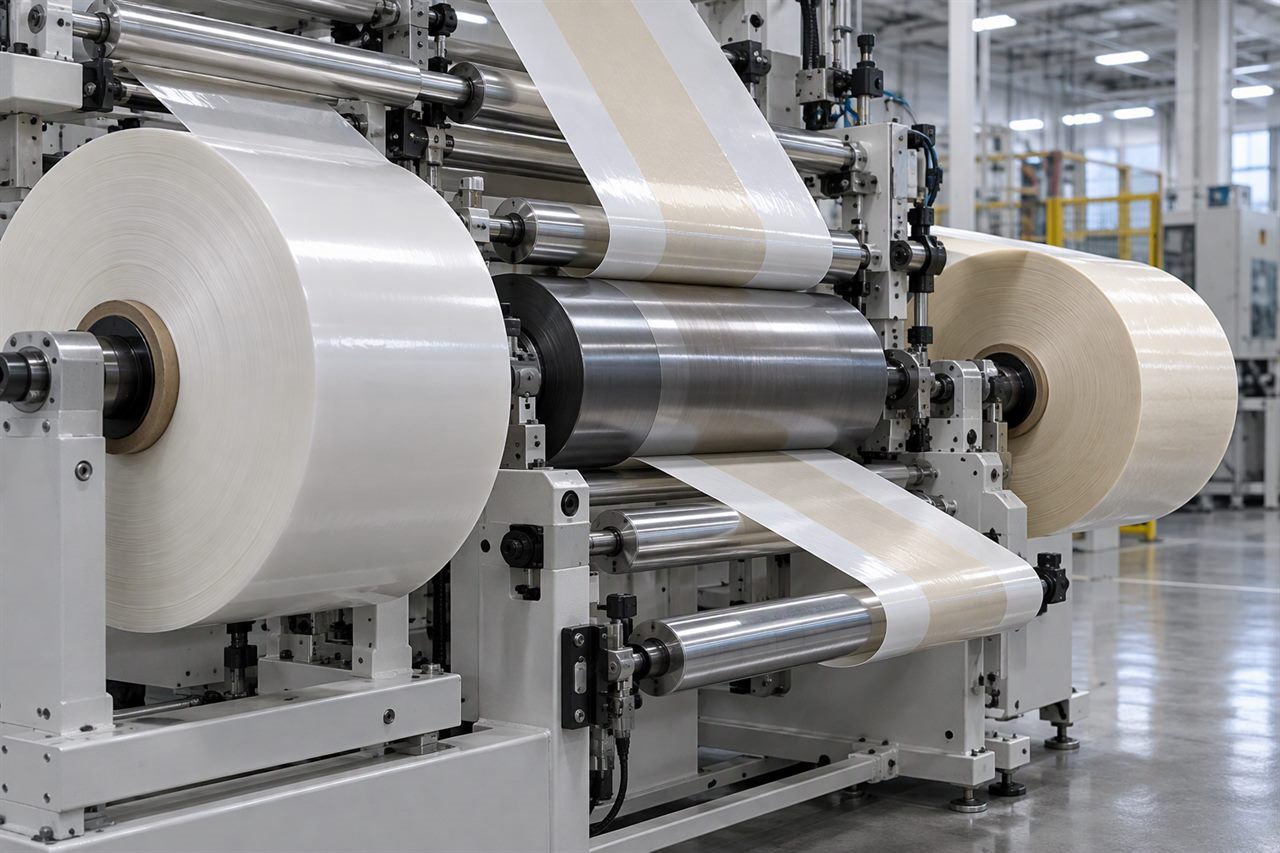
Tape + foam, film, liner and multi-layer adhesive constructions.
Service details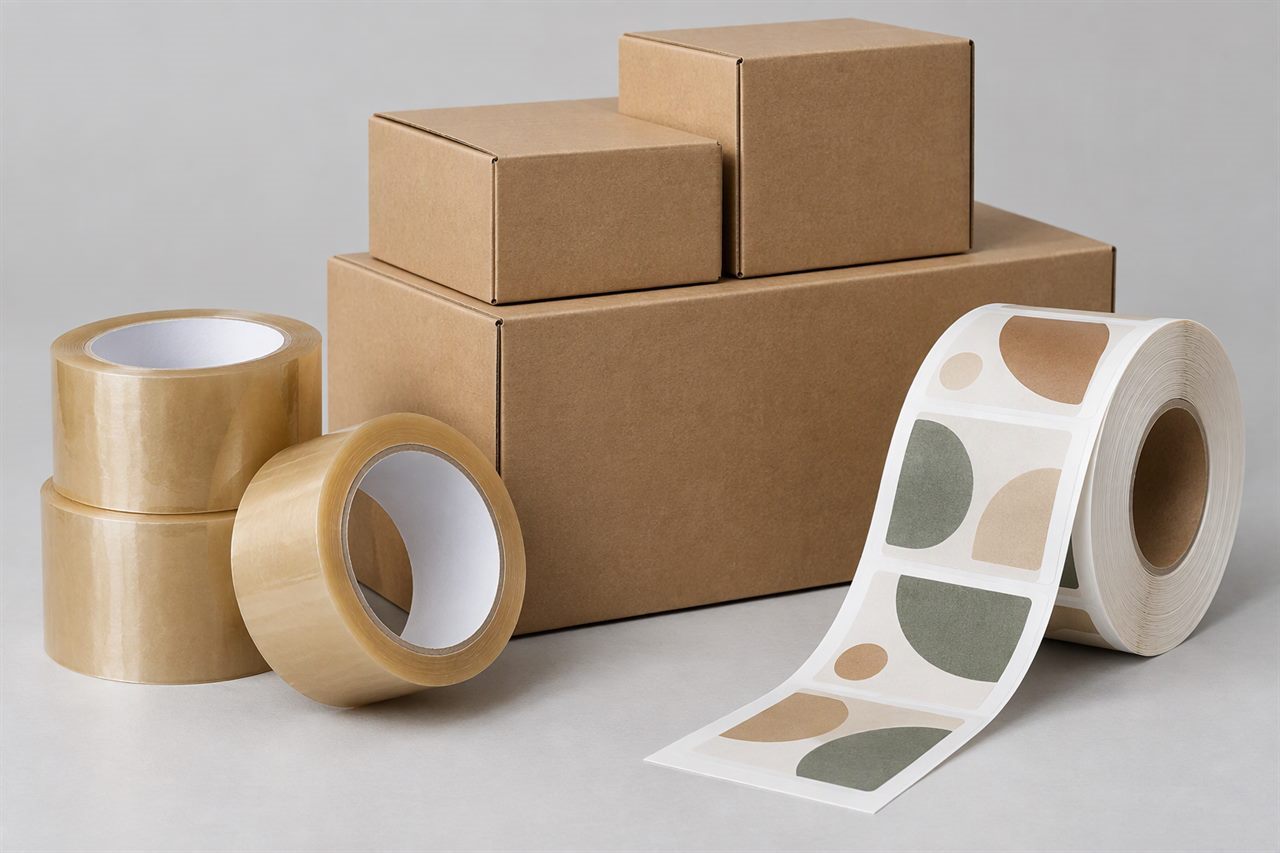
Private-label rolls, printed tape, custom packaging and kitted supply programs.
Service details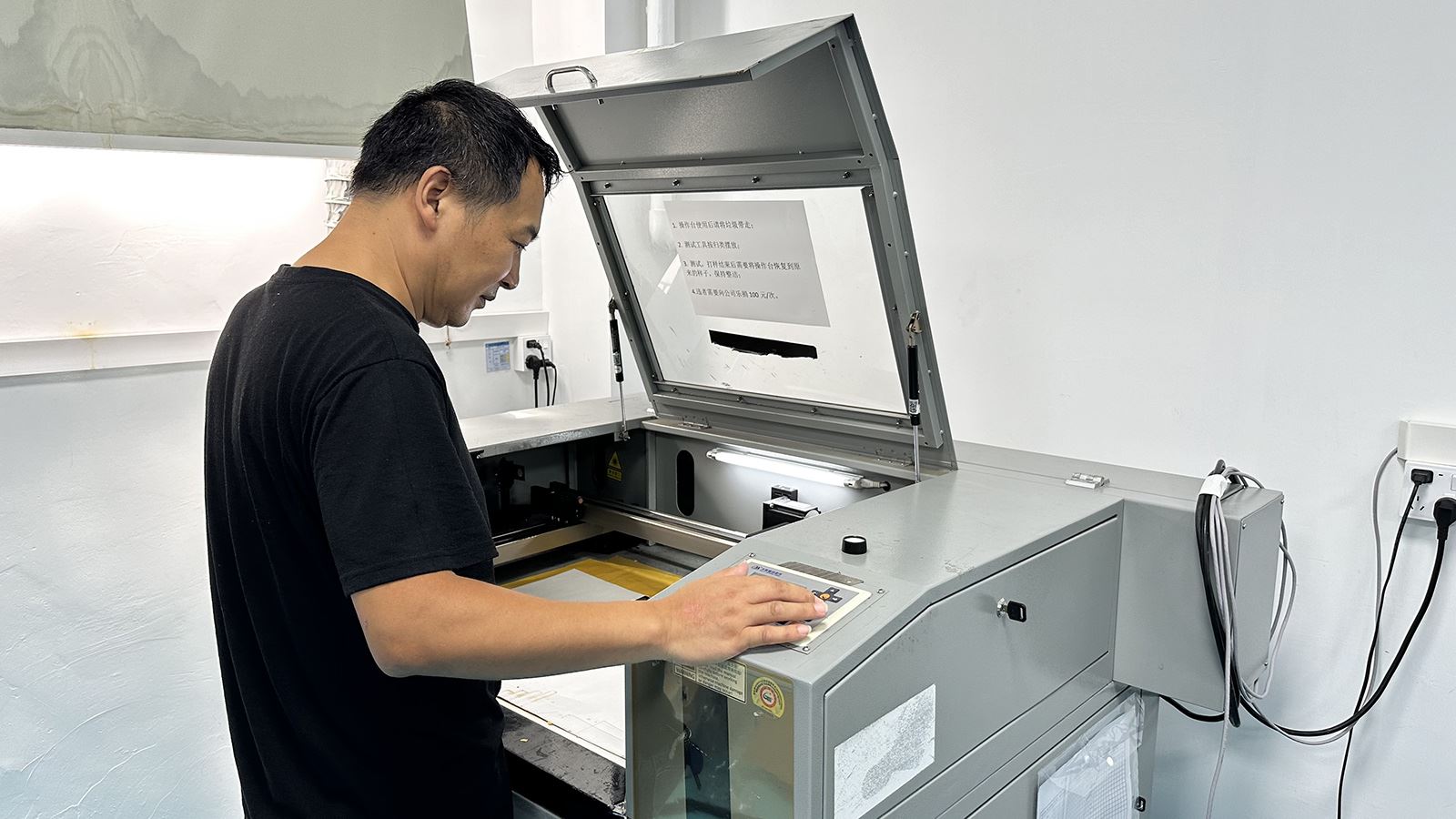
Material selection, prototyping and supply programs for new projects.
Service detailsTape and laminate converted to sheets in a stated width and length, loose or on a liner.
Service detailsFlexographic printing on tape backs, liners, cores and packaging for identification and branding.
Service details
Rolls spliced and wound onto one core so an automated line runs without a roll change.
Service details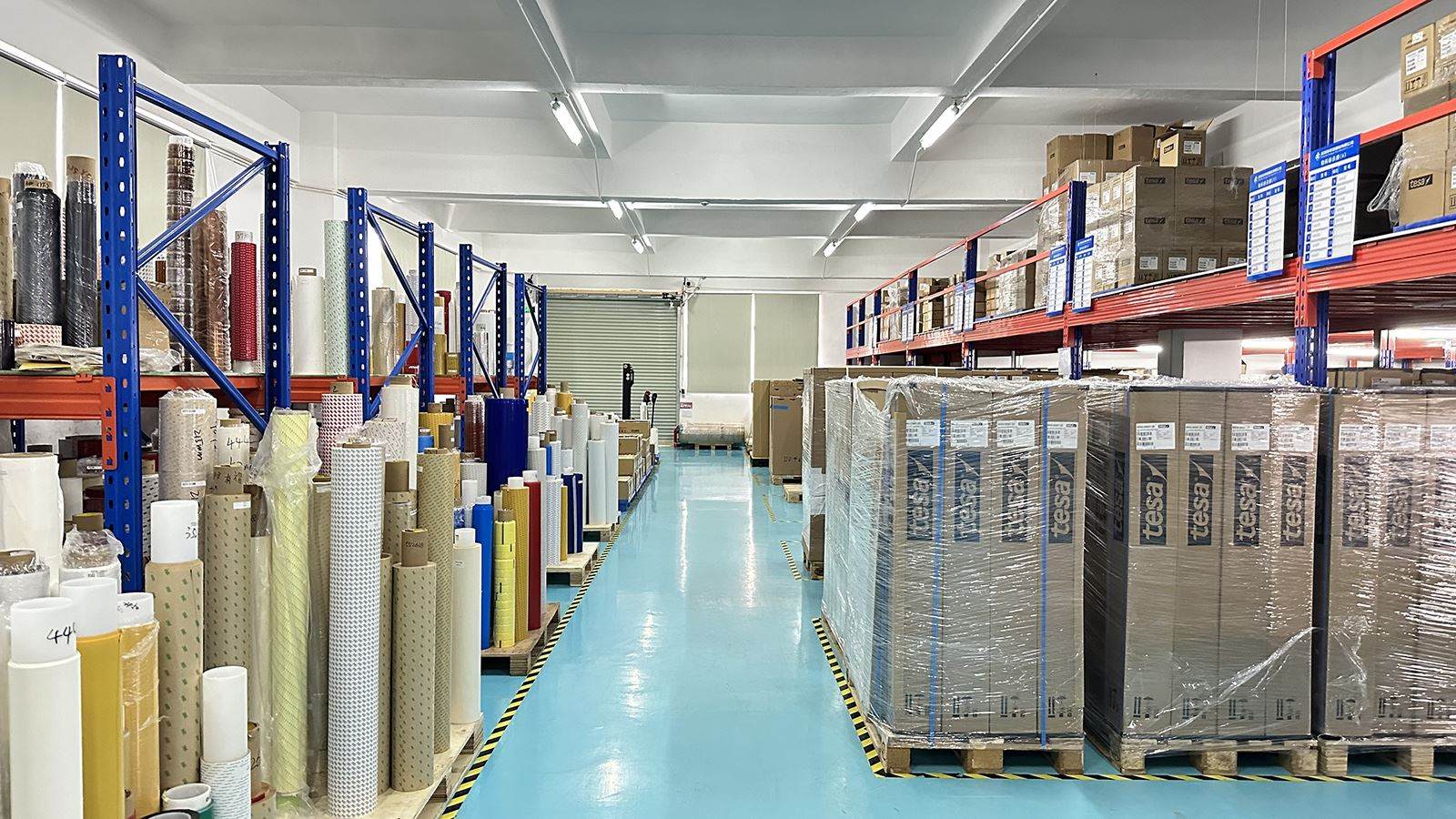
Shrink-sealed rolls, bagged and counted parts, kitted sets and custom printed cartons.
Service detailsSmall or soft parts built into a layer and presented in position, so an assembly places in one step.
Service detailsSend the drawing and the problem. We will review the material, liner and cutting route before quoting.