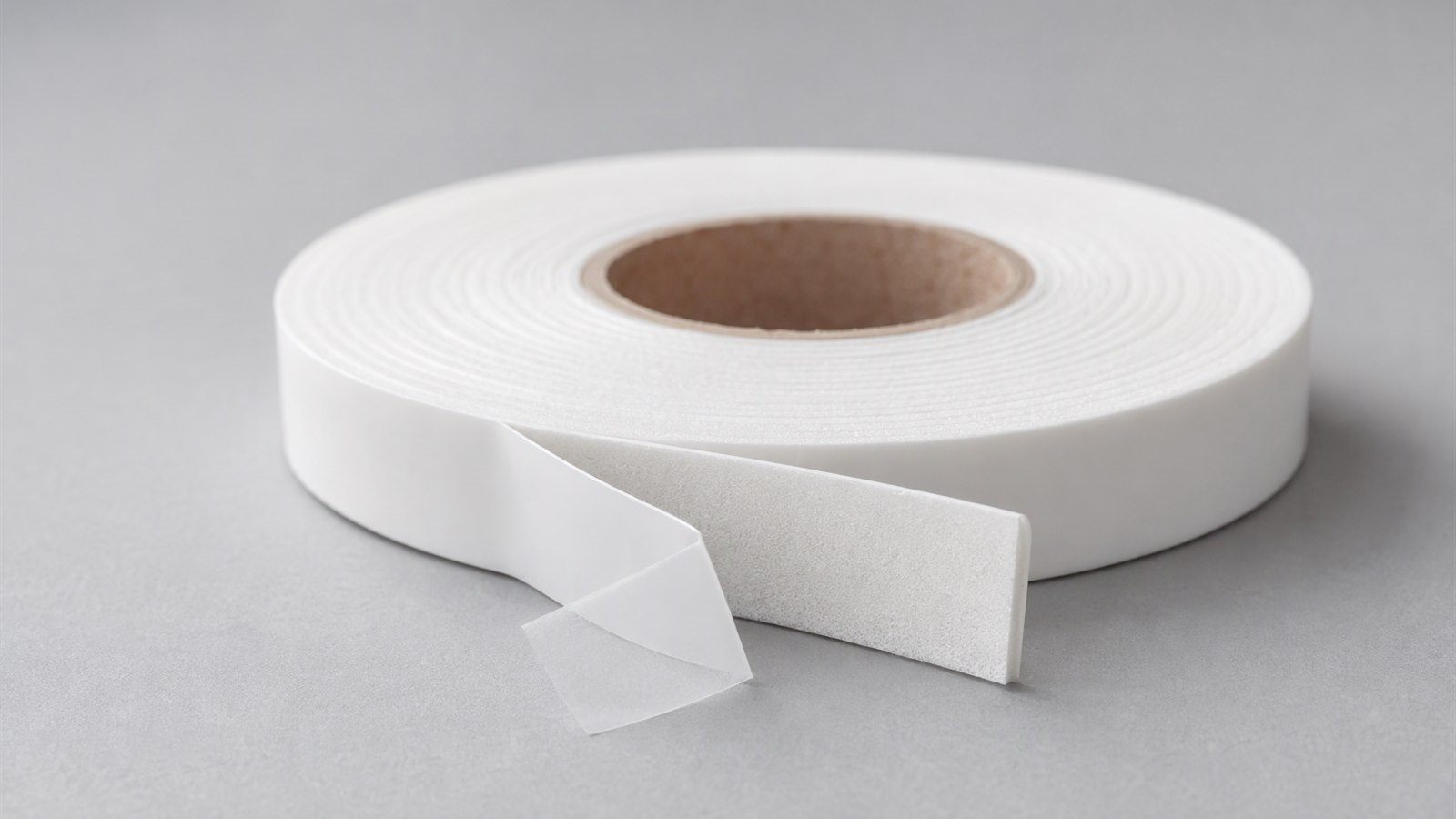
Foam Tape
Acrylic foam, PE foam and VHB-style tapes for exterior trim, panels, glazing and appliance bonding.
View productFrom masking and surface protection to interior fittings, harness routing and noise reduction — tape systems for railway carriages, commercial vehicles, vessels, aircraft build and the refit workshops that keep them running.
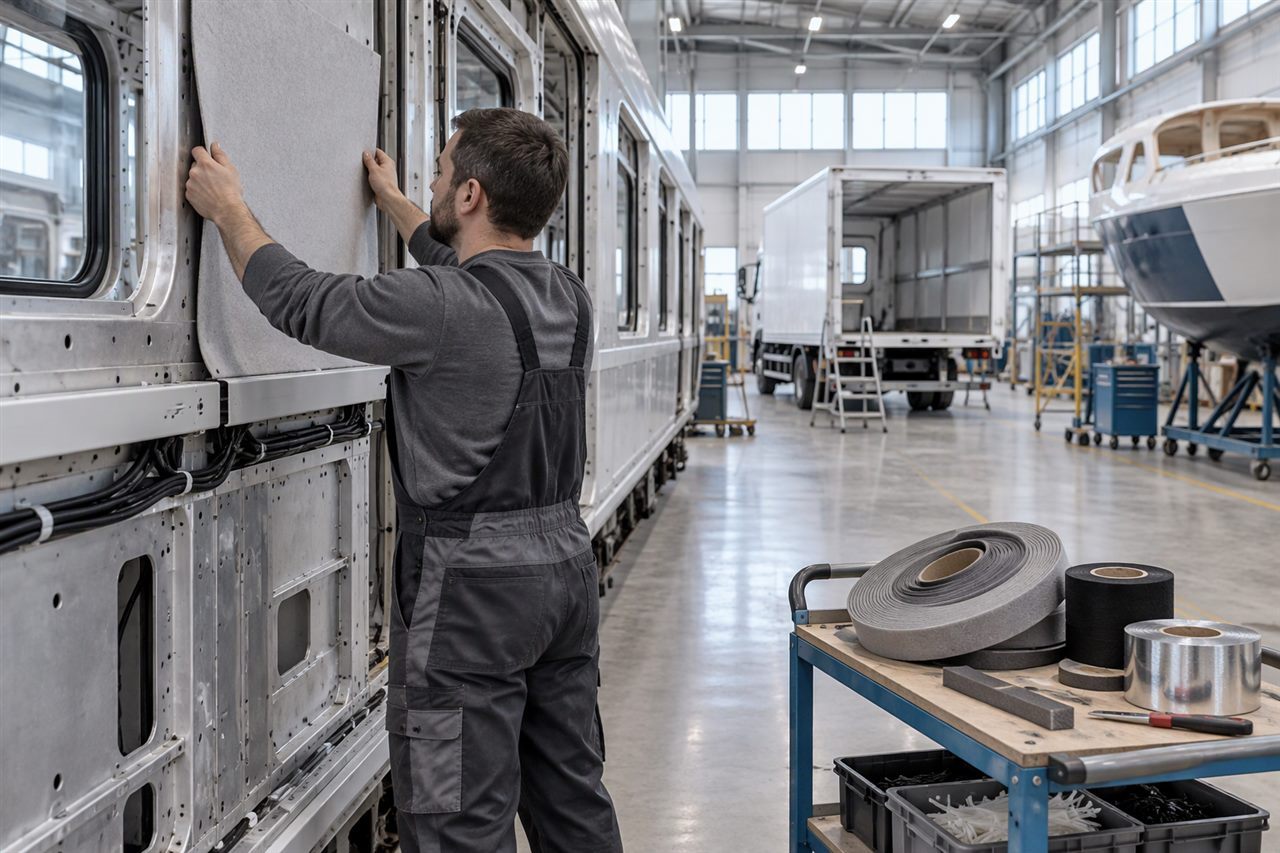
Heat, humidity, salt spray and vibration over a service life measured in years.
Interior materials in rail and aerospace builds are specified against flammability and smoke criteria set by the programme.
Trim, linings and cable ducts must stay put and stay quiet on a moving vehicle.
Aluminium, composites, painted steel and plastics sit in the same cab or carriage.
Shell, deck and body panels cannot be drilled, so the bond has to carry the load.
Buyers ask for material and batch records before a part enters a build.
| Application | Typical construction | Why |
|---|---|---|
| Interior panels, linings and cable ducts | Acrylic foam tape / VHB-style tape | Distributes load without drilling the shell |
| Floor covering and anti-slip surfaces | Double-sided tape / anti-slip construction | Stays bonded underfoot and through cleaning |
| Wire harness in carriages and vessels | Cloth and PET harness tape | Bundling, abrasion protection and noise reduction |
| Marine deck and exterior fittings | Weather-resistant foam and foil tapes | Salt spray and UV resistance |
| Truck bodies, tarpaulin and signage | Heavy-duty cloth and strapping tape | Depot-level strength and repair capability |
| Aircraft build and ground equipment | Masking, protective and damping constructions | Surface protection and vibration damping |
| Insulation and duct closures | Aluminum foil tape / foam tape | Thermal and vapour closure on ducted systems |
Starting points only. Confirm the final grade against your substrate, load and validation plan.
Interior trim in a rail carriage refit
A refit workshop had to fix linings and cable ducts inside a carriage without drilling into the shell, and the parts had to survive cleaning agents, humidity and vibration.
We shortlisted an acrylic foam tape and a flame-retardant-rated construction, reviewed the substrate and primer condition, and supplied die-cut pieces with the fixing layout for the workshop trial.
The trim was fitted with tape instead of drilled fasteners, the procedure was written up for the workshop, and the material and batch records were filed with the work order.
Acrylic foam, PE foam and VHB-style tapes for exterior trim, panels, glazing and appliance bonding.
View product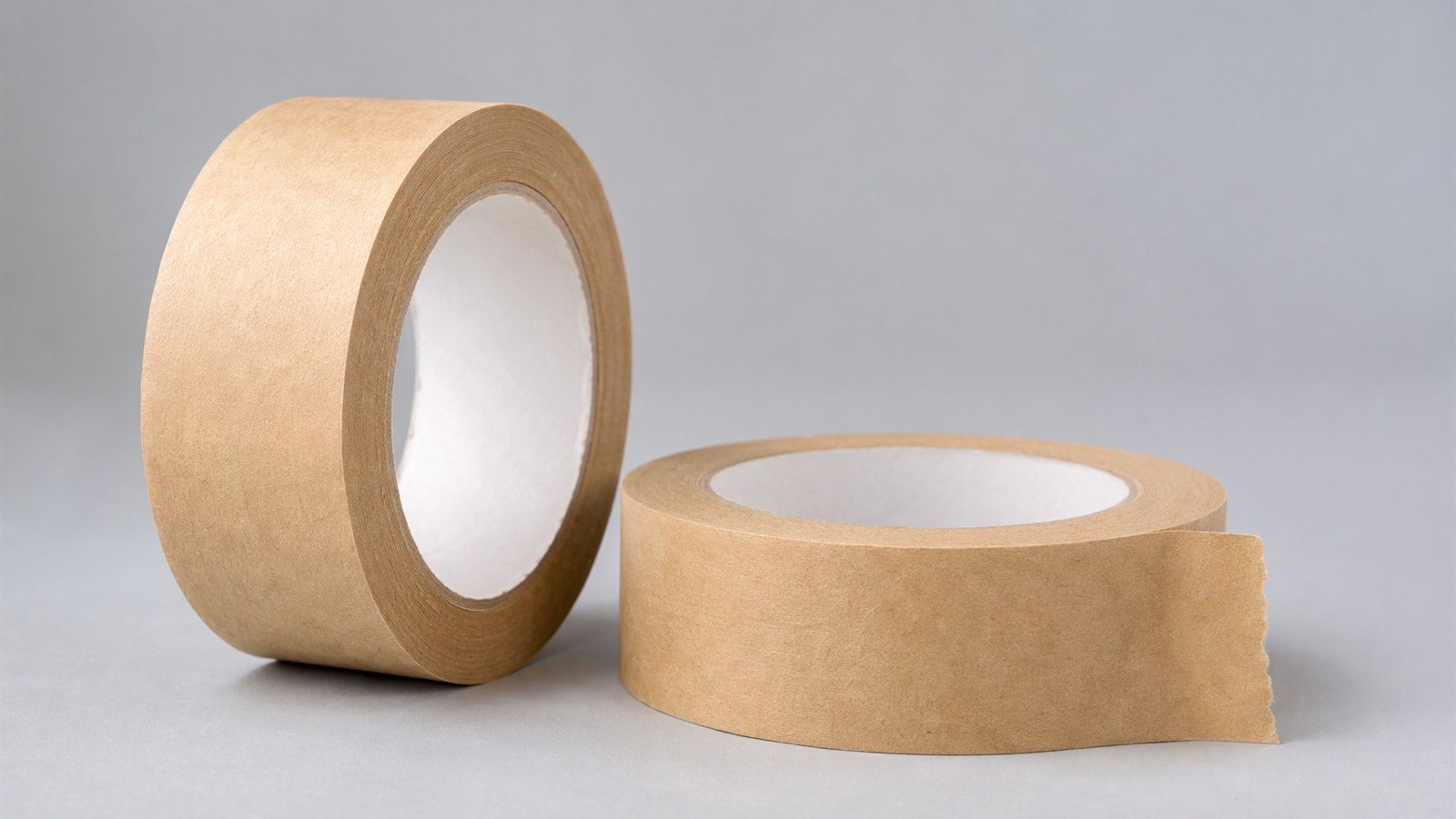
Masking, cloth, duct and MOPP tapes for painting, protection, bundling and carton sealing.
View product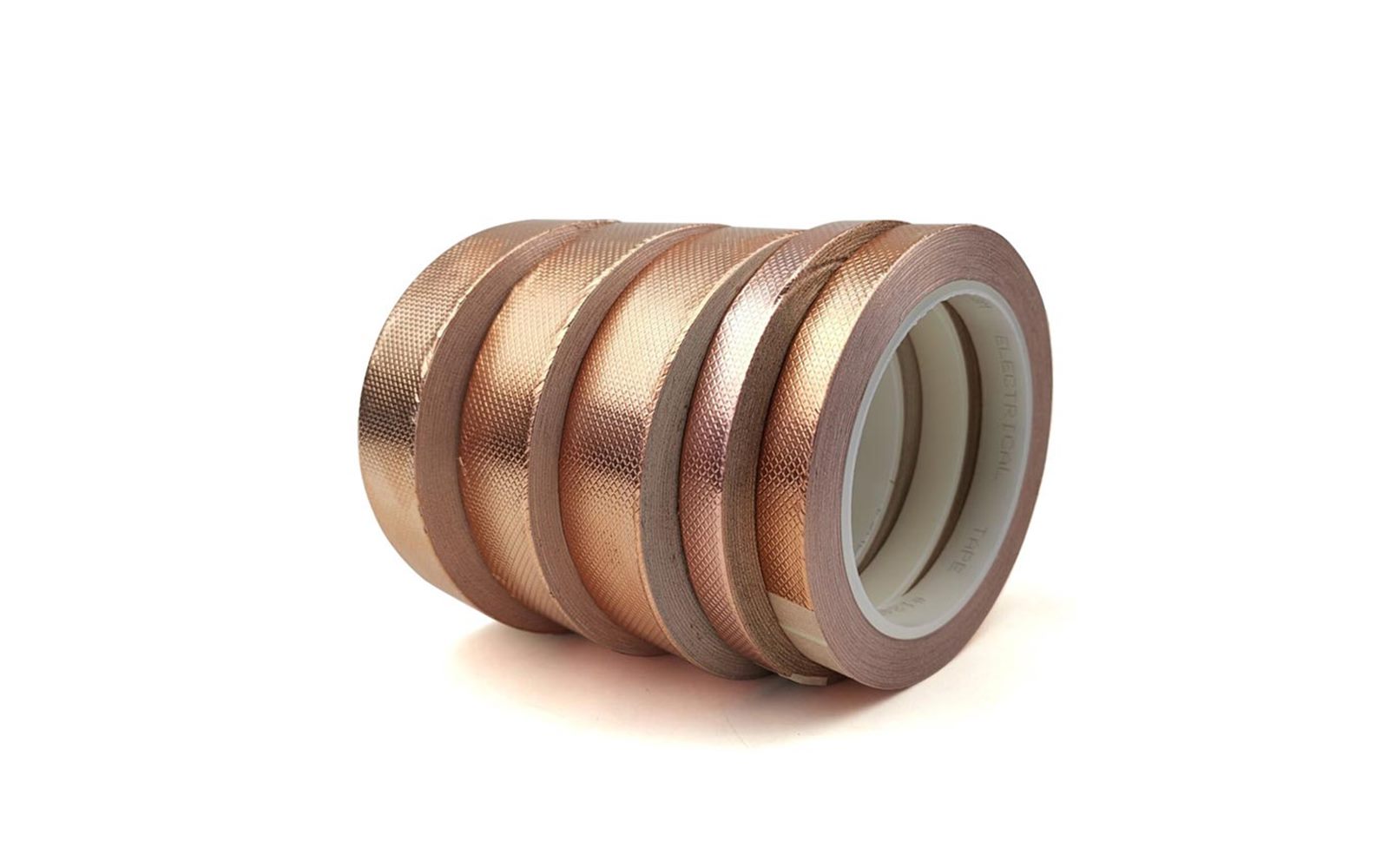
Easy-release, heat-reactive, low-VOC, medical IVD and laser-through glass tapes for demanding applications.
View productRail, marine, commercial vehicle and aerospace buyers rarely approve a material on a peel value. These are the items that appear on almost every approval list.
| Item | Why it appears | What to send with the enquiry |
|---|---|---|
| The standard actually cited | Flammability, smoke and toxicity requirements come from the programme clause, not from the industry label | The standard and clause the part is specified against |
| Substrate and primer condition | Aluminium, composite, painted steel and aged refit surfaces behave differently | The panel, its coating and how old it is |
| Load and failure mode | Peel, shear, peel under vibration and thermal cycling are four different questions | What the part carries and what has already failed |
| Service access | A lining that must come off for a cable pull cannot be bonded like a permanent panel | Whether maintenance has to remove it |
| Batch records | Builds are audited, so the material has to be traceable to the work order | The documentation set your quality system expects |
| Kit format | Carriage, vessel and build-sequence kits change packing more than they change the adhesive | How the workshop consumes the parts |
Transport buyers ask for a flame-retardant tape and are often offered one without being told which test, which thickness and which direction it passed. We would rather describe the limitation than repeat a marketing sentence, so this is how the question is handled here.
Send your application and target market. We will shortlist grades for heat, humidity and UV before you commit to tooling.