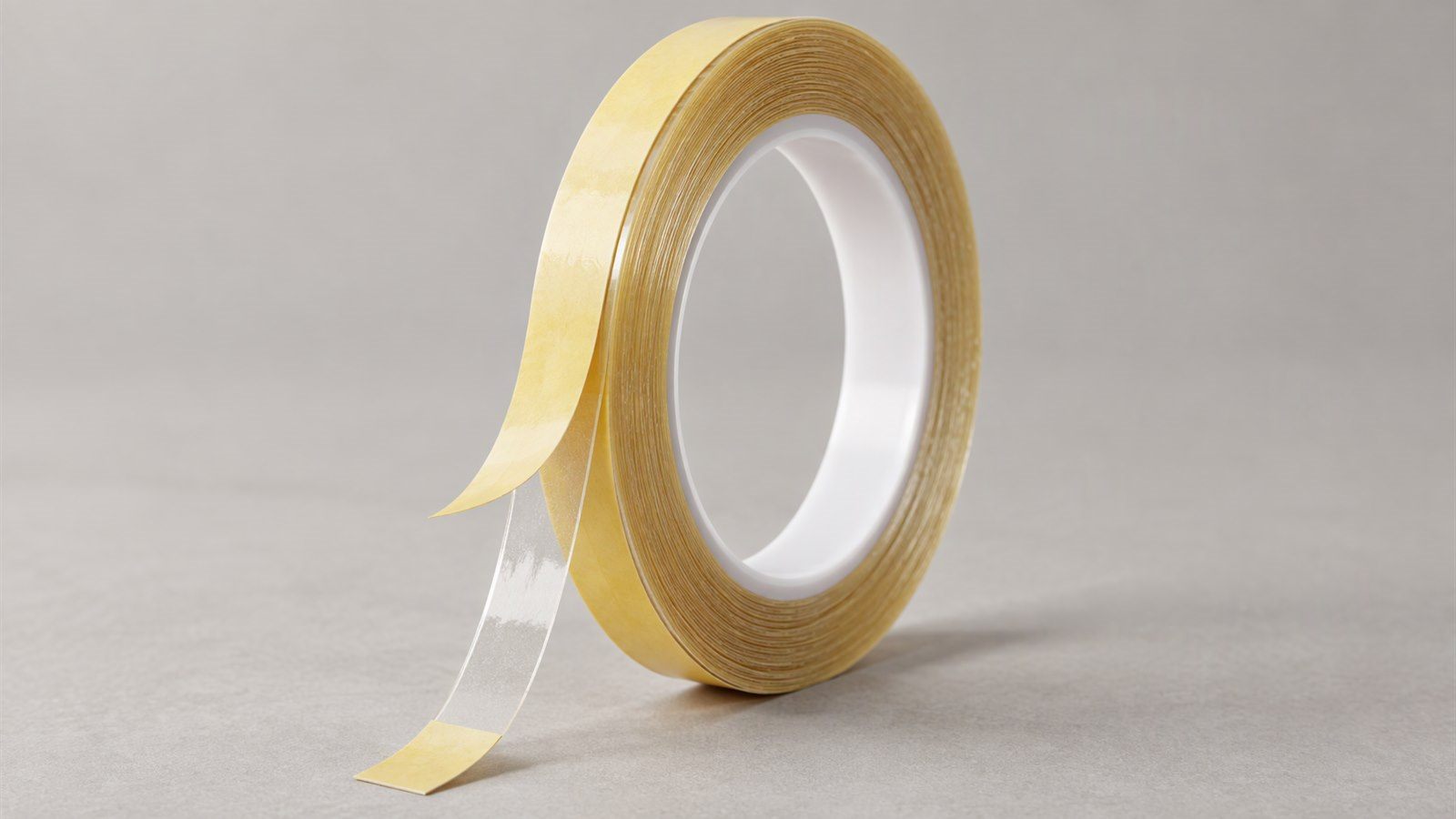
Double-Sided Tape
PET, non-woven, transfer and tissue tapes for electronics, automotive and appliance assembly.
View productSend a drawing, get a ready-to-install part. We convert PET, foam, non-woven, transfer, PI and foil tapes by flat-bed or rotary die-cutting, laser cutting, lamination and kitting.
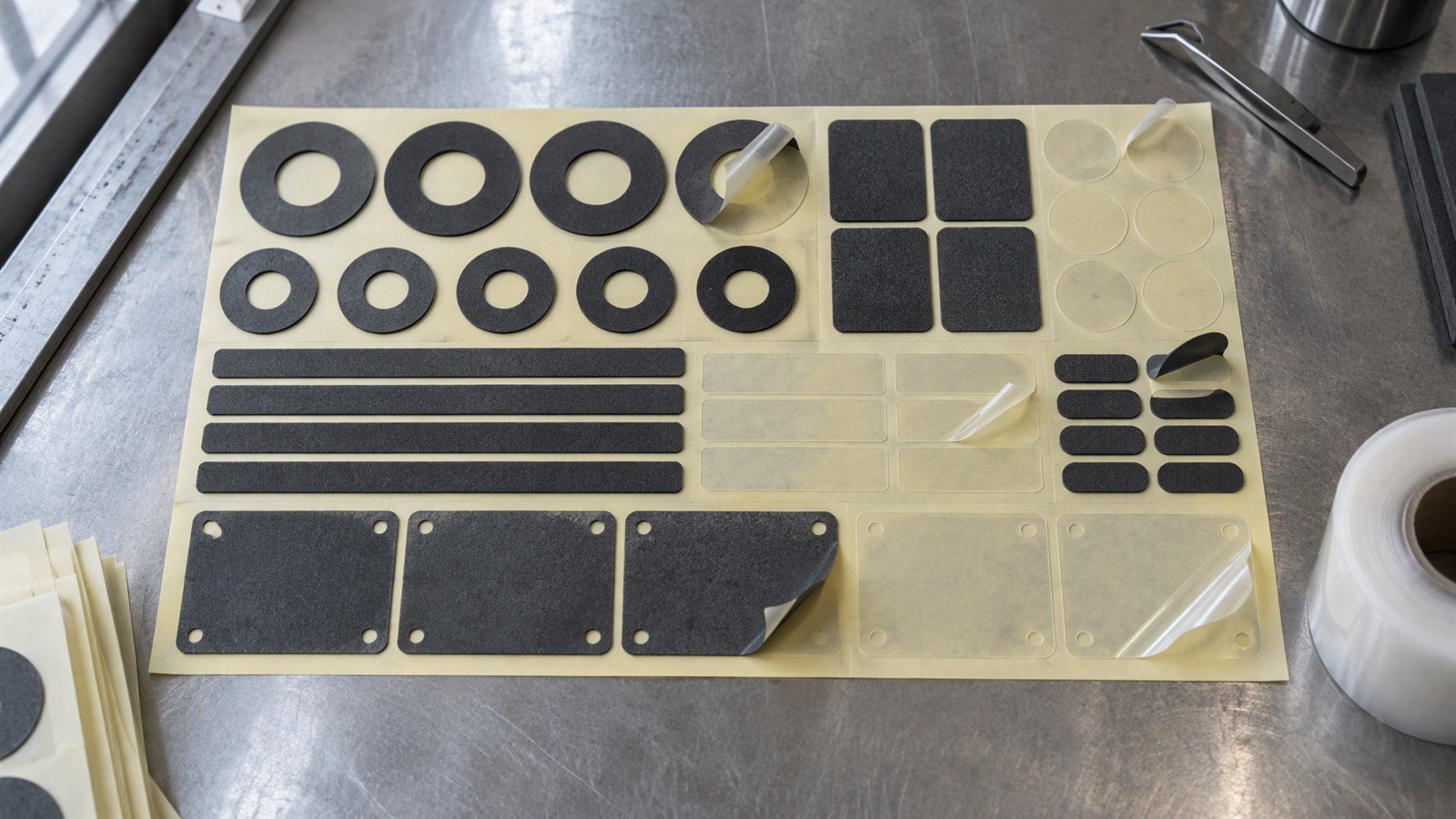
Send a drawing, get a ready-to-install part. We convert PET, foam, non-woven, transfer, PI and foil tapes by flat-bed or rotary die-cutting, laser cutting, lamination and kitting.
Typical build-up for this product family. Layer order, carrier and thickness vary by grade.
| Layer | Typical material |
|---|---|
| Top liner | Optional protective film |
| Adhesive | Selected tape or laminated construction |
| Carrier | PET · foam · non-woven · PI · foil |
| Bottom liner | PET or glassine, slit for automated assembly |
Prototype to mass production for complex outlines, narrow edges and multi-layer constructions.
High-volume roll-to-roll production with stable tolerance and efficient material use.
Complex shapes and quick prototypes without hard tooling.
Multi-part sets, sequence packing and customer-specific presentation.
Values are typical and grade dependent. Confirm the final specification on the TDS for your selected product.
A family is not a product. These are the questions that narrow it down to one construction, in the order we ask them.
Not every dimension on a drawing carries equal weight. Identifying the functional ones lets us choose a cutting route that holds them, instead of paying for tightness everywhere.
Foam and thick laminates move differently under a tool than a thin film. Material decides the route before volume does.
Hard tooling amortises over volume. If the design is still moving, the cheaper route is the one that can be changed without scrapping a tool.
Sheet count and layout, matrix stripped or weeded, liner type, release level, pick orientation and the spacing a feeder needs are all part of the part, not packaging details.
A part that arrives as a laminate of tape, foam, film and liner cuts once instead of three times, which changes both the tolerance chain and the labour.
Pressure-sensitive adhesive migrates under heat and pressure. Where bleed is unacceptable, the tool, the pressure and the cure condition are specified together.
| Cutting route | Best when | What we confirm before tooling |
|---|---|---|
| Flat-bed die-cutting | Thicker materials, foam and laminates, medium volumes, designs that still change. | Material build-up, part size, sheet layout and tool choice. |
| Rotary die-cutting | High-volume roll-to-roll on thinner, stable materials with consistent tolerance. | Web width, registration, matrix stripping and liner feed. |
| Laser cutting | Complex outlines, prototypes and short runs where hard tooling is not yet justified. | Power and speed against the material, edge appearance, and part nesting. |
| CNC and oscillating tool | Thick stacks, low volume, large parts, or materials that react badly to heat. | Fixturing, tool path, and how the part is held during the cut. |
| Kitted and sequenced sets | A station needs several parts in a defined order at the moment of assembly. | Kit content, sequence, pack presentation and identification. |
Every row is a starting point for a test, not a promise about your joint. The third column is the part that usually decides the outcome.
These are the items a quotation has to settle before material is cut. Each one is confirmed against your order, so no figure on this page is a standing commitment.
| Specification item | What we confirm |
|---|---|
| Drawing and revision | PDF, DXF or STEP with the revision number, or a sample plus dimensions. The revision is what we quote and build against. |
| Material construction | Grade, carrier, adhesive, thickness and liner, or the brand grade you hold if you want that construction read back. |
| Tolerances | Which dimensions are functional and what band they need, stated per feature rather than as a blanket figure. |
| Part presentation | Sheet layout, parts per sheet, matrix stripped or weeded, liner and release level, pick direction. |
| Volume and call-off | Prototype quantity, annual volume and the release pattern, so the tooling route and buffer stock are chosen once. |
| Inspection and approval | First-article scope, who signs it, dimensional report format, and what changes require re-approval. |
| Change control | How a drawing revision is handled, whether the tool is modified or replaced, and when a new sample is required. |
| Tooling ownership | Whether tooling is charged once, held for repeat orders, or returned if the program ends; stated before the first cut. |
| Packing and labelling | Part name, drawing revision, lot, quantity and pack format, matched to your receiving process. |
| What gets verified | How it is measured |
|---|---|
| First-article inspection | Dimensions measured against the drawing on the actual production material and tool, with the report attached to the approval. |
| Dimensional capability | Repeated measurement across a run so the tolerance is stated from production, not from one good sample. |
| Visual and edge quality | Burrs, adhesive bleed, die marks, delamination and liner damage checked against an approved boundary sample. |
| Function at assembly | Liner release, pick-up and fit on your process, which is where a part that measures correctly can still fail. |
Ask for the method and the condition, not only the number: the same material reads differently on a clean test panel and on a part from your line.
Freight term, routing and destination charges are stated on the quotation. The technical guides and the logistics notes explain how each line is derived.
Converted from tesa, 3M, Sekisui and qualified alternative materials
PET, non-woven, transfer and tissue tapes for electronics, automotive and appliance assembly.
View product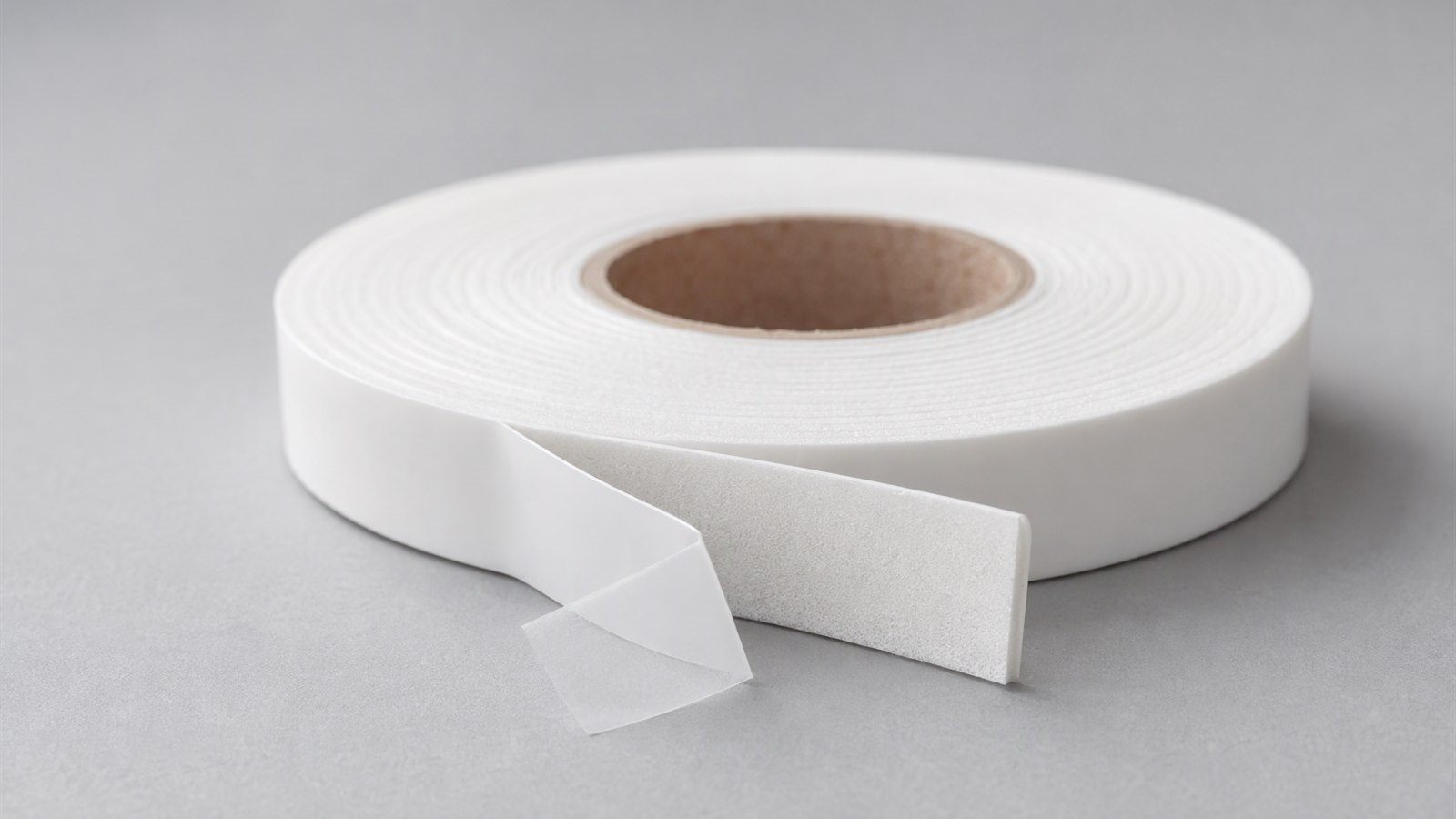
Acrylic foam, PE foam and VHB-style tapes for exterior trim, panels, glazing and appliance bonding.
View product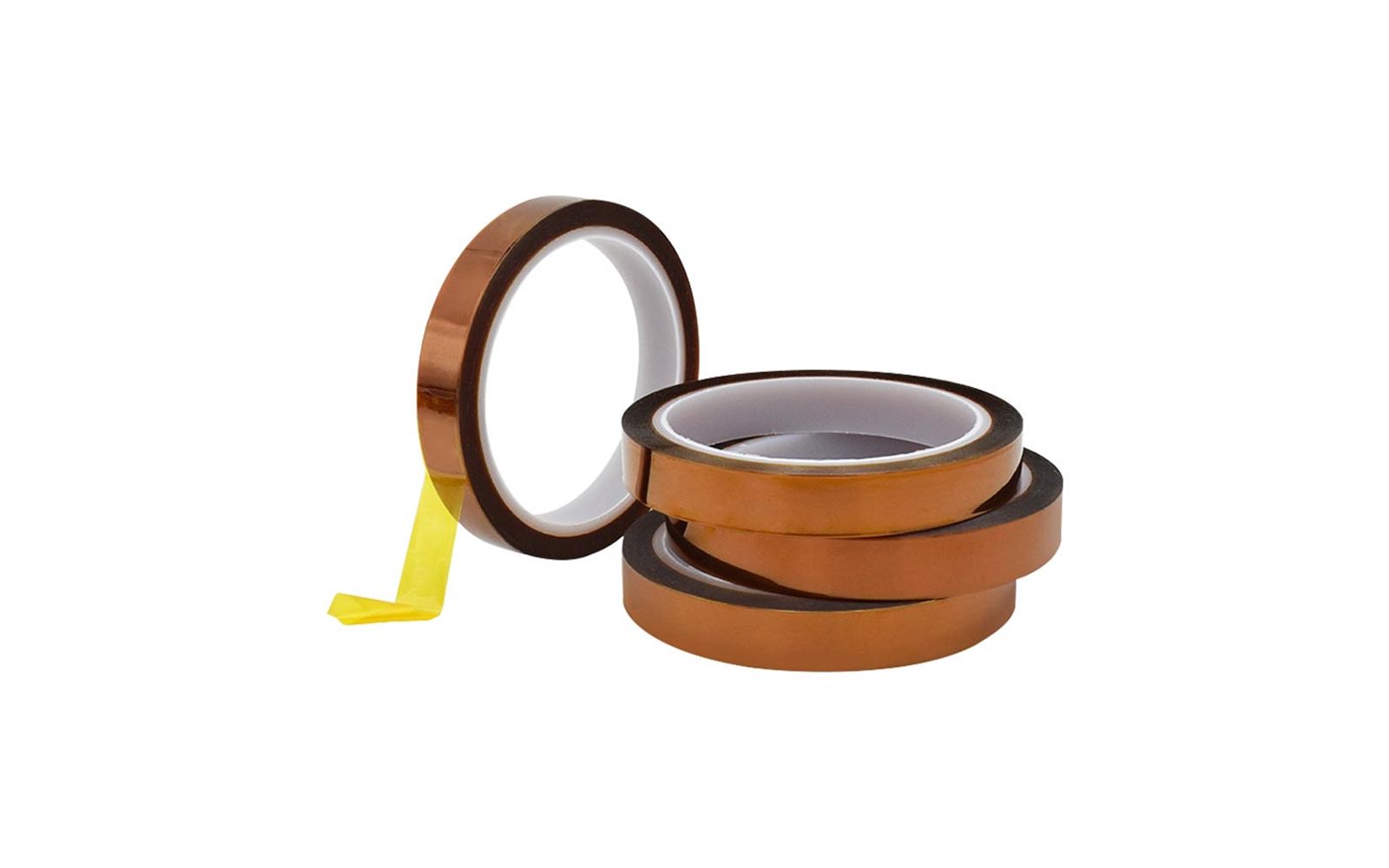
Conductive, polyimide, aluminum foil and thermal tapes for grounding, shielding, insulation and high-temperature protection.
View productSend a drawing or a dimensioned photo. We will confirm material, tooling route, tolerance and lead time.