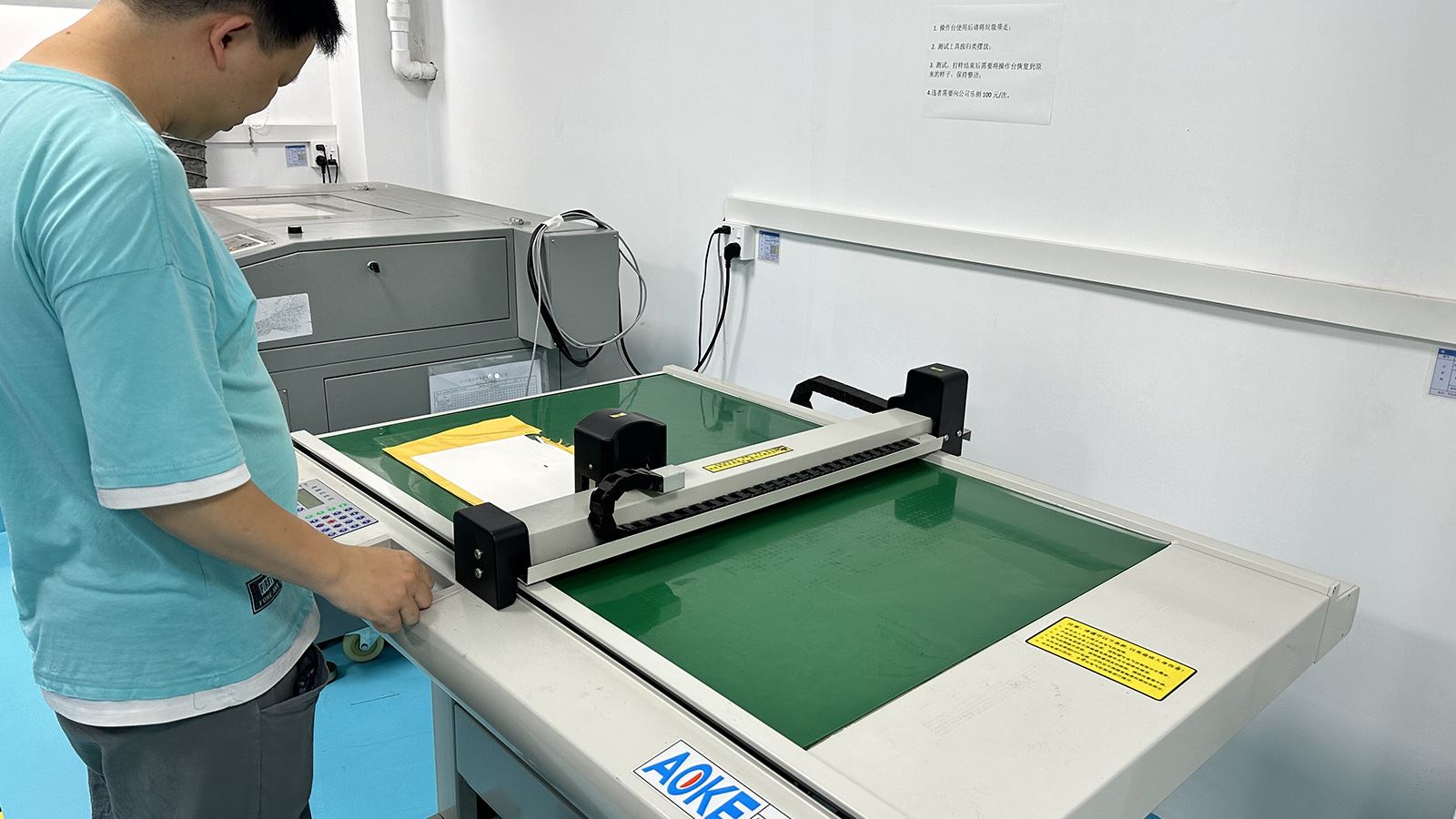
Die Cutting
Flat-bed, rotary and laser cutting from drawing to ready-to-install parts.
Service detailsWhere a part is too small, too soft or too light to place on its own: it is cut and built into a layer so it arrives in position on the liner, and the assembly places several materials in one motion.
Some parts cannot be handled. A small foam pad has no stiffness, a piece of felt has no edge to grip, a thin film curls before it reaches the assembly, and a soft non-woven picks up whatever it touches. Placing them individually means a fixture, a vacuum tool or an operator with patience, all of which cost more than the element itself.
Island placement solves that at the converting stage: the awkward element is cut and built into a continuous layer, so it arrives already in position on the liner and the assembly places the whole construction in one motion. It is a build decision rather than a cutting decision, which is why it is designed on the drawing and not discovered at the press.
A soft or small part cut to shape and carried inside a continuous layer, so it never has to be handled on its own.
Non-woven, felt and thin foam that cannot be picked up individually are placed during lay-up instead.
The island position is held against the layer above and below it, agreed on the drawing rather than at the press.
Waste material around a small part is stripped or the layout is designed so it can be.
Adhesive, foam, film and liner in one part, so several process steps become one placement.
Liner, release direction and pick point set for the operator or the robot that uses the part.
What sits behind the service page, stated the same way as on the plant page, so a capacity claim can be checked in one place rather than in five.
Individual layers cut with the outline and the position that the build requires.
Layer-to-layer position carried along a web, for higher-volume island work.
Adhesive, foam, film and non-woven combined into one construction before the final cut.
Waste removed around small islands, or the layout designed so that it can be.
Liner, release direction and pick point set against the hand or the robot that uses the part.
| Specification item | How it gets confirmed |
|---|---|
| Which element is the island | What is too small, too soft or too light to place alone, and what carries it. |
| Position and registration | Where the island sits against the layers above and below, stated as a feature that matters. |
| Build order | Which layer is cut first, which is coated, and where the stack is assembled. |
| Carrier and liner | The layer that holds everything together, and the face the assembly releases from. |
| Release behaviour | How the part is gripped without pulling the layer out of position at the station. |
| Waste handling | Stripped, weeded or designed out, decided by part size and fragility. |
Nothing in this table is a standing promise. It is the list we work through with you; the answers end up in the quotation and on the work order.
Identify which elements are too small or too soft to place separately, and what has to align with what.
Decide the build order, the carrier layer and where the islands sit in the layout.
Produce a built-up sample and check position, release and how the part behaves on the assembly.
Cut, build, register and inspect, packed in the pick order agreed at the start.
Send what you already have. A partial list still gets a useful answer, and whatever is missing simply becomes the question we ask back.
Island location measured against the carrier layer on the production sample.
The part lifted the way the line lifts it, so presentation is verified rather than assumed.
Edges, bleed and delamination checked between layers before packing.
Freight term, routing and destination charges are stated on the quotation. The logistics notes and the technical guides explain how each of those lines is worked out.
The material list is a guide. Send the grade or performance requirement and we will confirm compatibility with the cutting route.
Flat-bed, rotary and laser cutting from drawing to ready-to-install parts.
Service details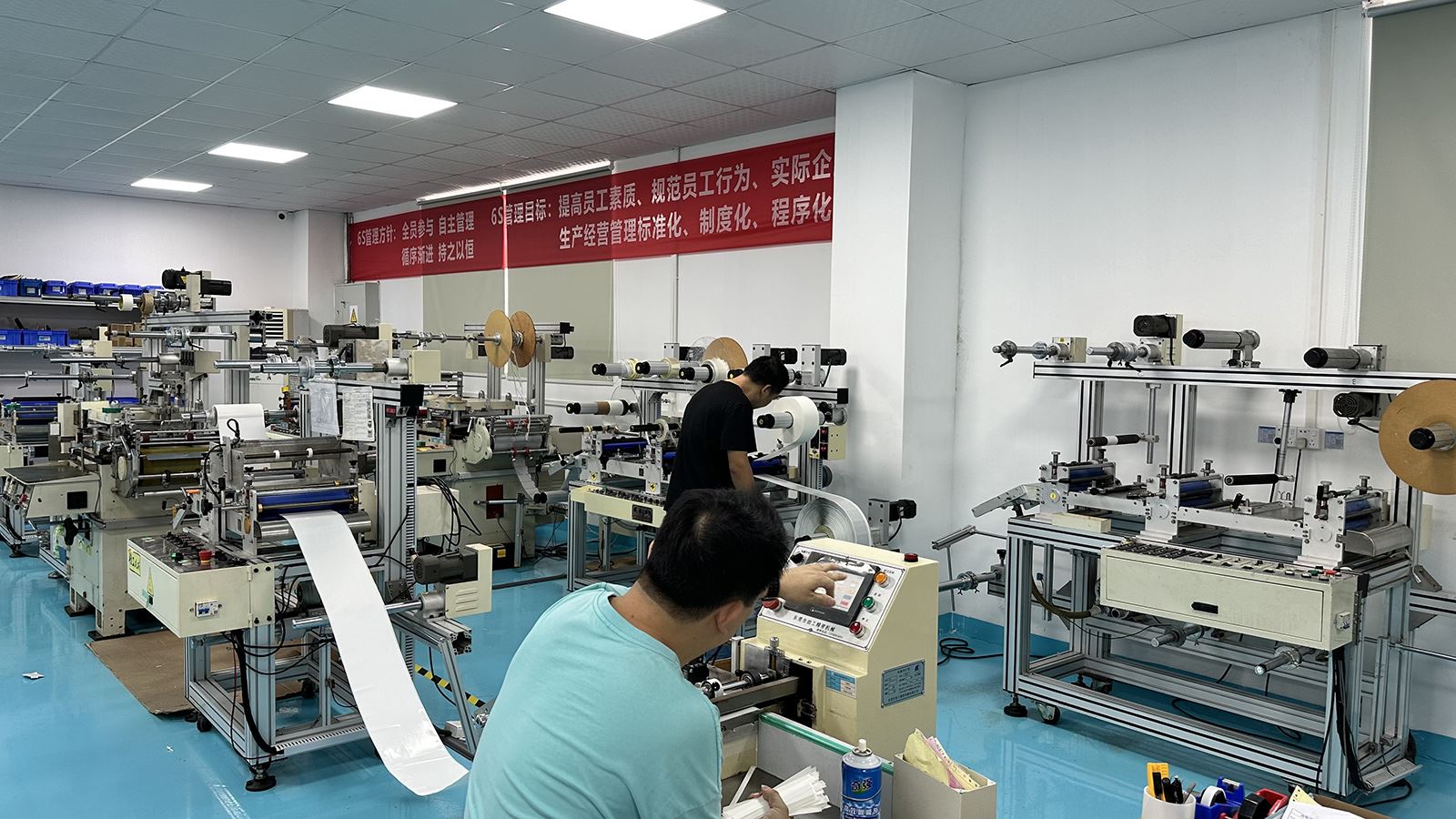
Custom widths, spooling and tension-controlled rewinding from jumbo rolls.
Service details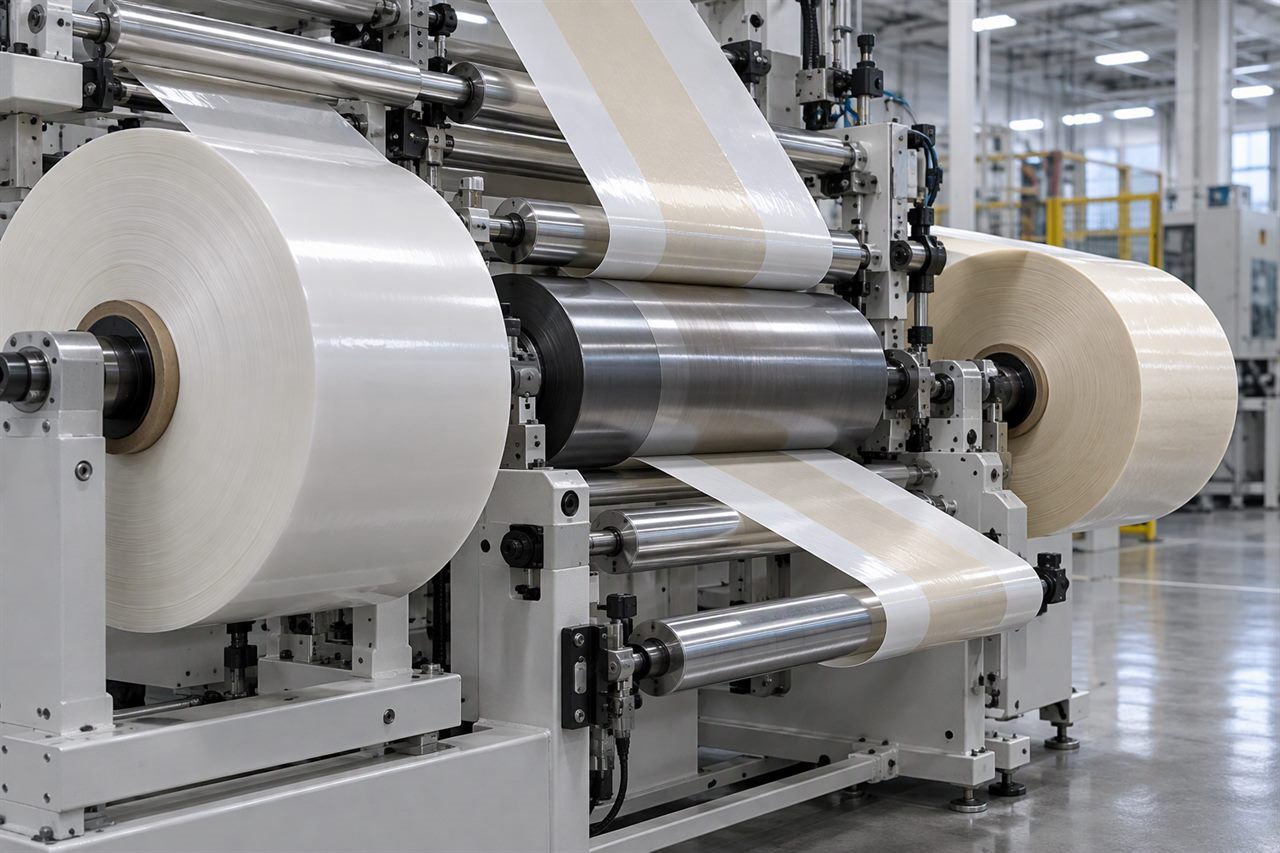
Tape + foam, film, liner and multi-layer adhesive constructions.
Service details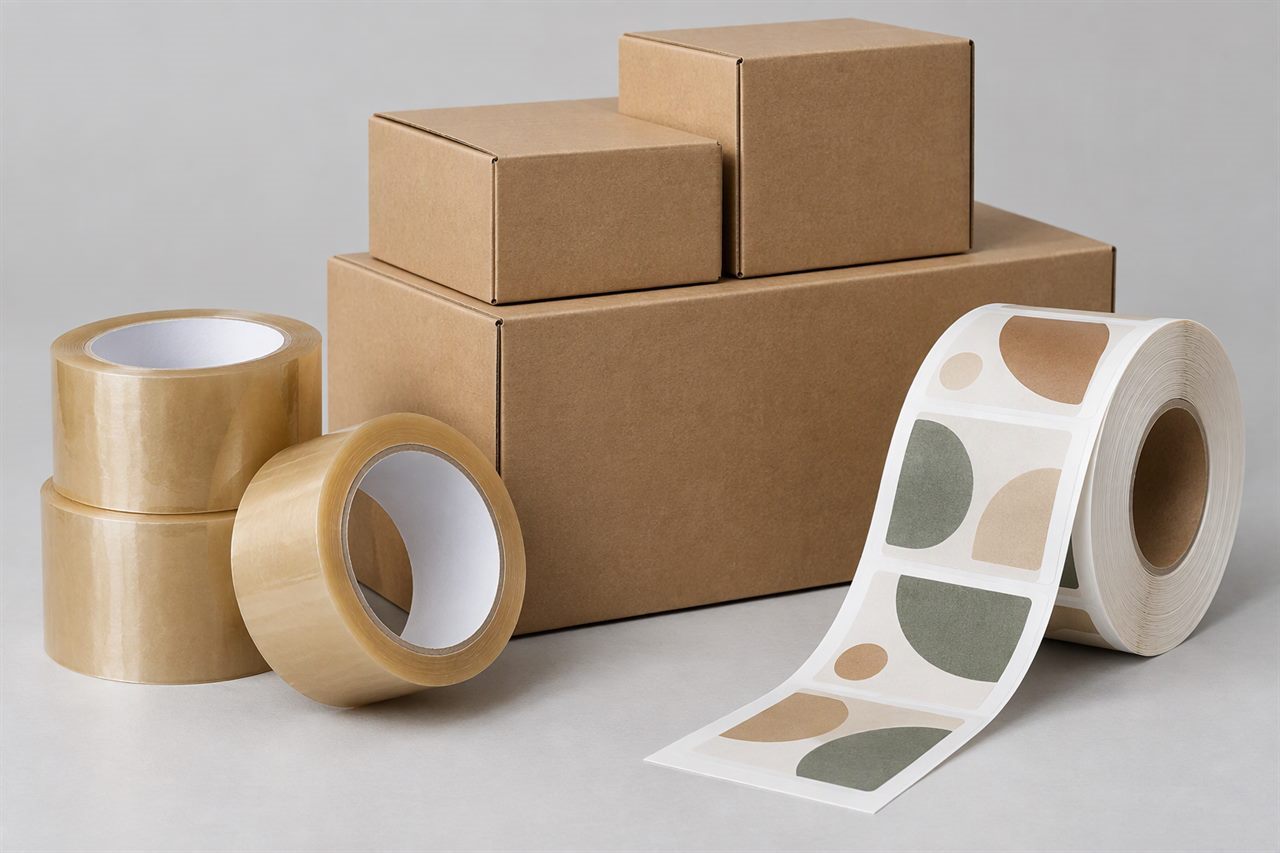
Private-label rolls, printed tape, custom packaging and kitted supply programs.
Service details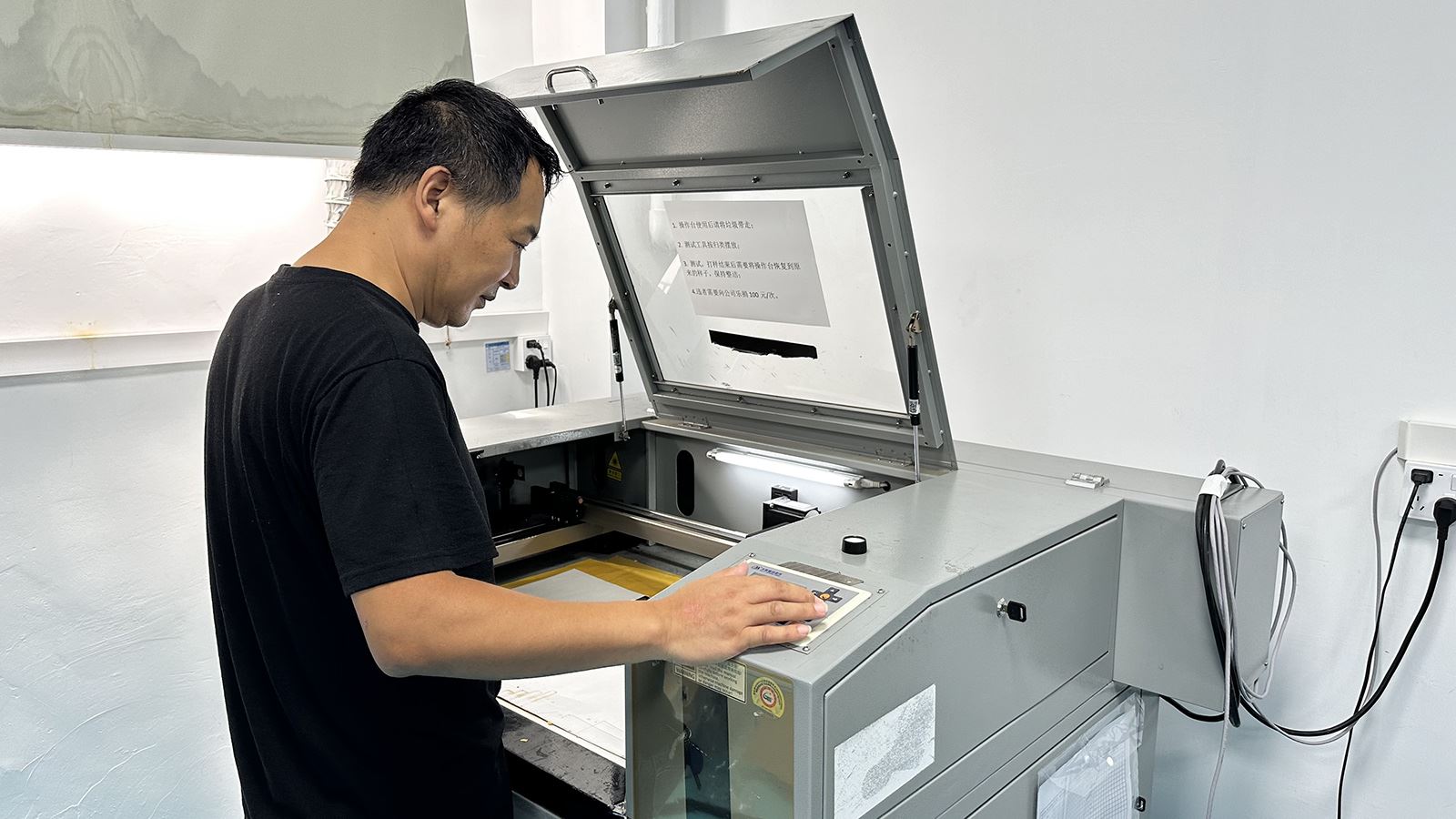
Material selection, prototyping and supply programs for new projects.
Service detailsTape and laminate converted to sheets in a stated width and length, loose or on a liner.
Service detailsFlexographic printing on tape backs, liners, cores and packaging for identification and branding.
Service details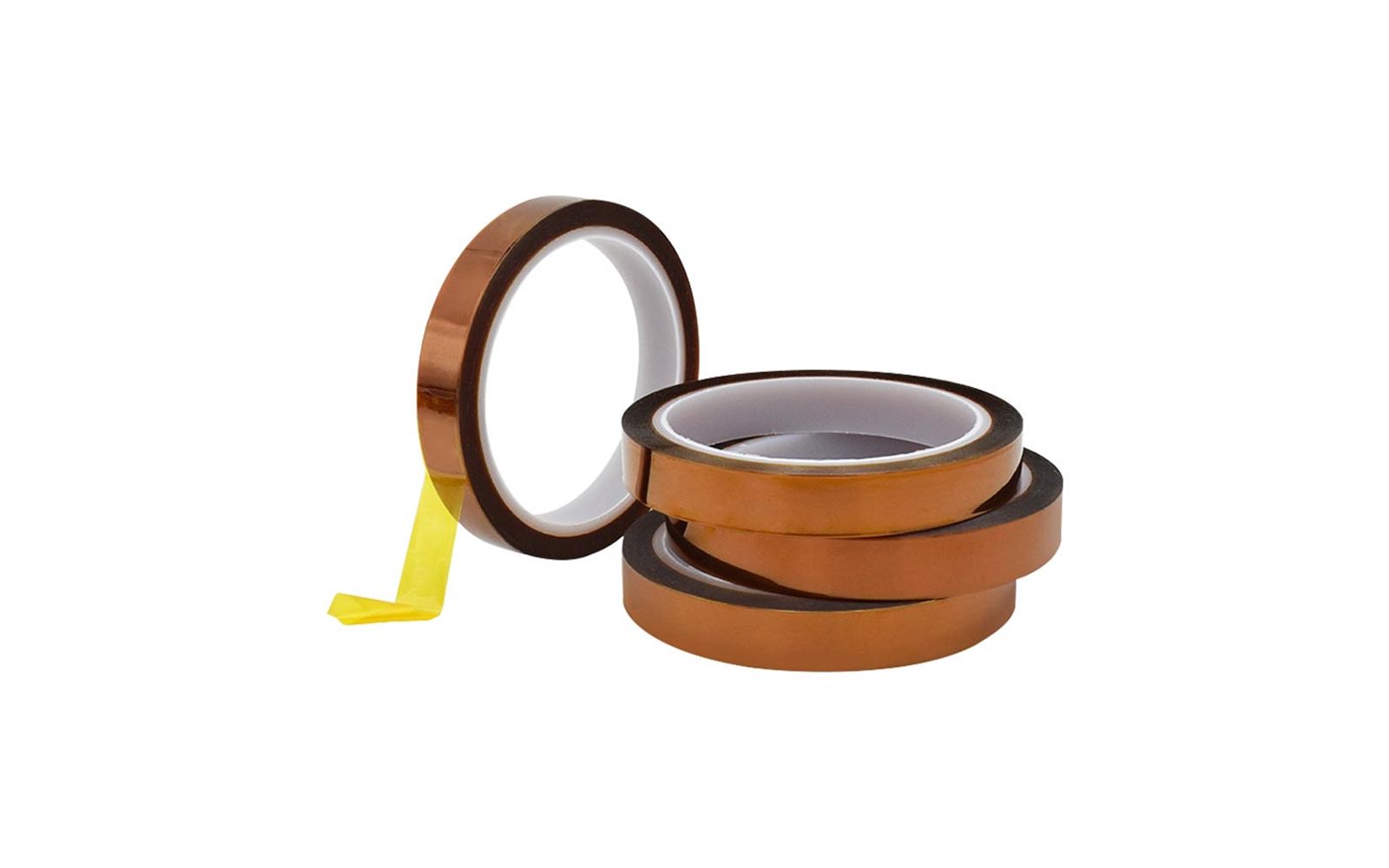
Rolls spliced and wound onto one core so an automated line runs without a roll change.
Service details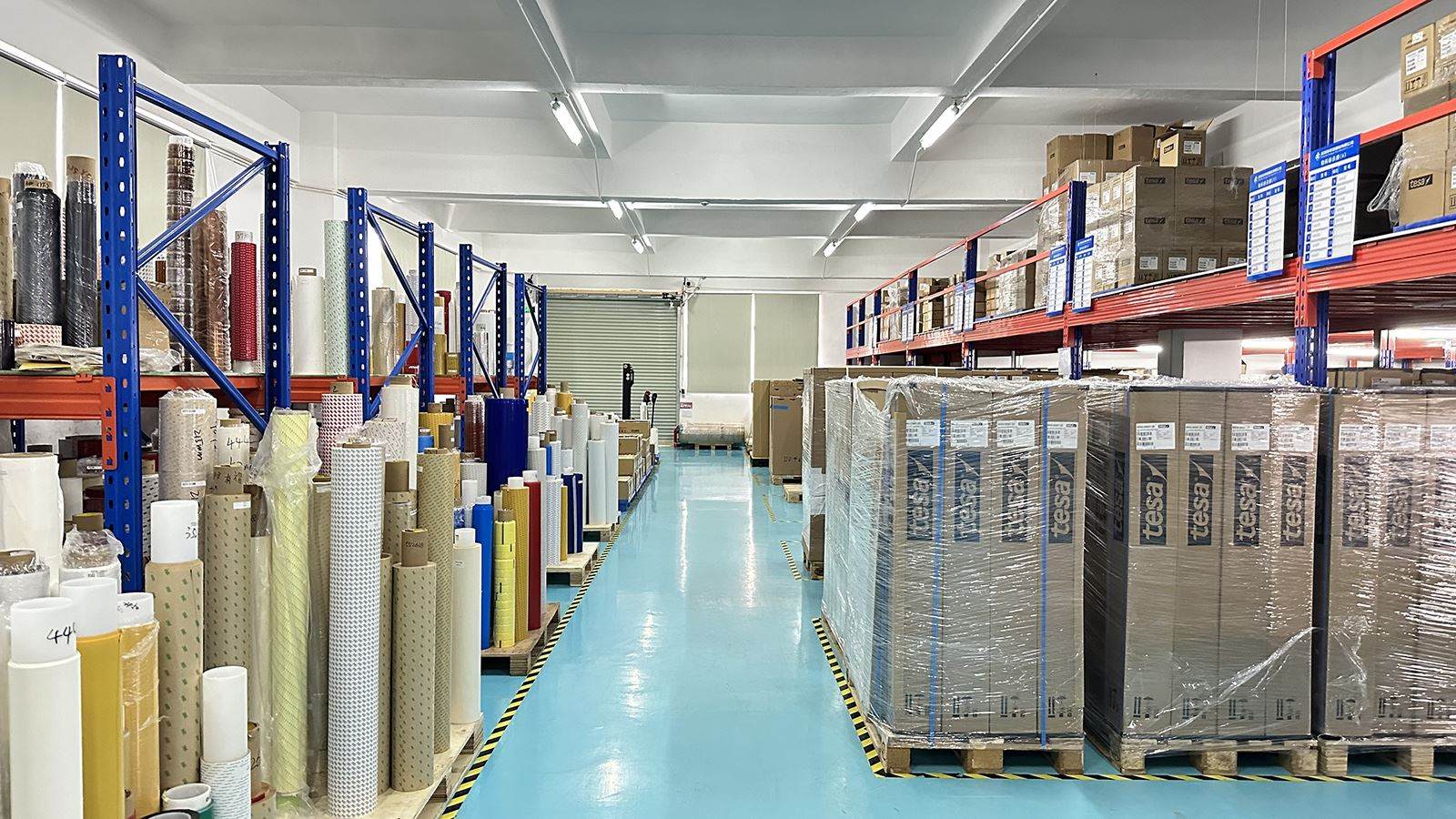
Shrink-sealed rolls, bagged and counted parts, kitted sets and custom printed cartons.
Service detailsSend the drawing and the problem. We will review the material, liner and cutting route before quoting.