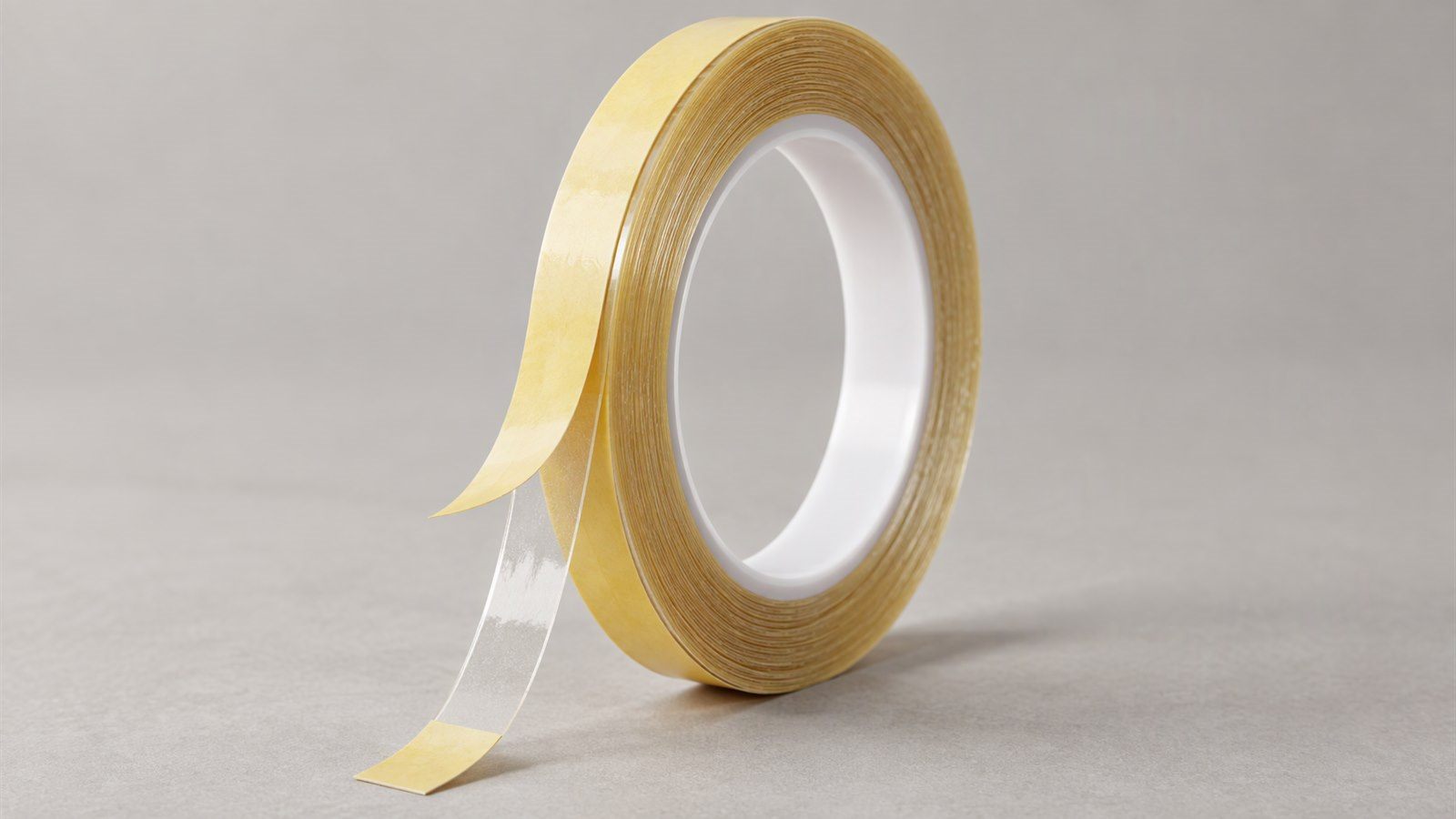
Double-Sided Tape
PET, non-woven, transfer and tissue tapes for electronics, automotive and appliance assembly.
View productBattery bonding, insulation, thermal management and flame-retardant tapes for EV packs, energy storage and solar modules.
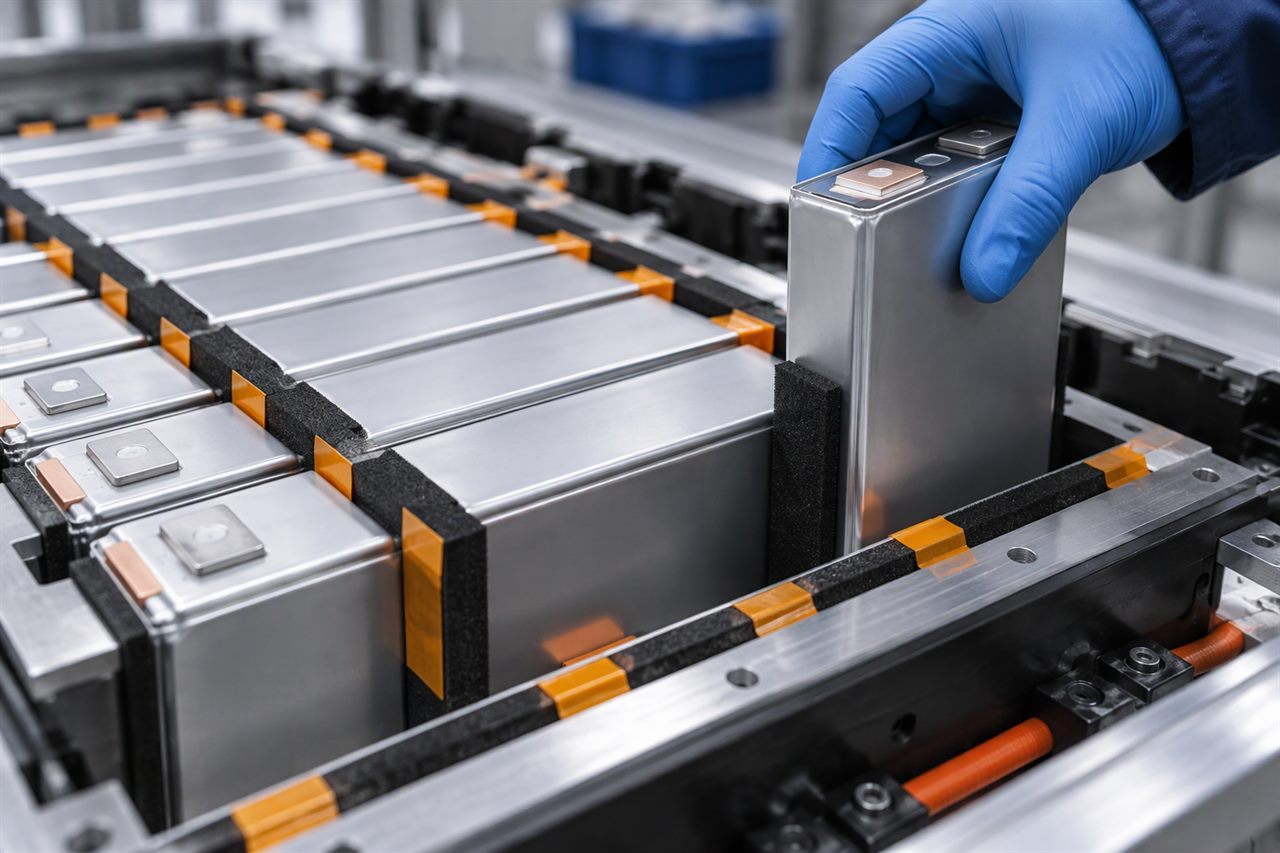
Electrical isolation and flame resistance in a compact pack.
Heat transfer and thermal isolation in the same assembly.
Long service life under temperature cycling and humidity.
Parts that feed, align and bond reliably on high-volume lines.
| Application | Typical construction | Why |
|---|---|---|
| Cell and module bonding | PET double-sided tape / transfer tape | Insulation, positioning and thin bond lines |
| Module insulation | PI tape / flame-retardant tape | High-temperature and electrical insulation |
| Busbar and tab insulation | PI tape / aluminum foil tape | Thermal and electrical protection |
| Thermal interface | Thermal conductive tape | Heat transfer between components |
| Pack sealing | Acrylic foam tape / specialty tape | Structural bonding and sealing |
Starting points only. Confirm the final grade against your substrate, load and validation plan.
Battery module insulation for an EV pack
A module supplier needed a die-cut insulator that could withstand temperature cycling and be placed quickly on an automated line.
We selected a PI-based construction, laminated it with a liner for pick-and-place, and produced a die-cut part with first-article dimensional inspection.
The part was validated by the customer and moved to pilot production.
PET, non-woven, transfer and tissue tapes for electronics, automotive and appliance assembly.
View product
Conductive, polyimide, aluminum foil and thermal tapes for grounding, shielding, insulation and high-temperature protection.
View product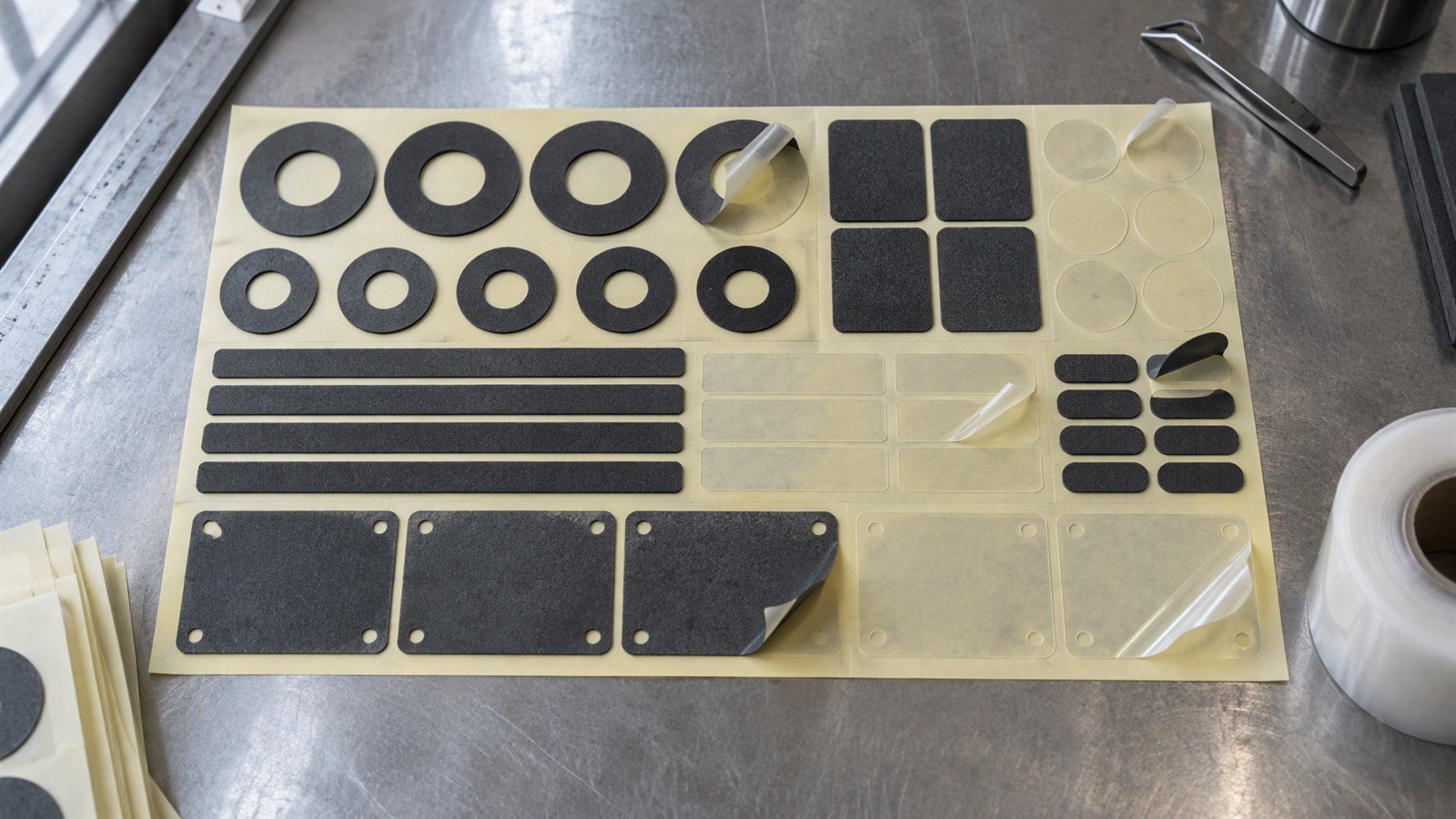
Custom adhesive parts from drawing to ready-to-install: flat-bed, rotary, laser cutting and kitting.
View productBattery and storage programmes fail a tape for reasons that are usually stated in the enquiry rather than discovered in the trial. These are the five that decide what we can propose.
| What decides the outcome | What to state with the enquiry | What we send back |
|---|---|---|
| The surface, not the assembly | What each side of the bond actually is: aluminium, nickel, copper, painted housing or a coated foil, and whether a release film or primer stays in place | What we are willing to hold on that surface, and the cases where we would not recommend the grade, confirmed by a trial on your material rather than by a datasheet |
| The exposure profile | Whether the heat is continuous or cycled, whether humidity is steady or seasonal, and whether ultraviolet reaches the part at all | Aged data for the construction where the mill publishes it, or the trial plan for the aging you run yourself |
| The function required | Electrical isolation, thermal transfer, grounding or shielding. They read similarly in a specification and behave differently on a pack | The constructions that perform the function you named, with the limits of each stated plainly |
| The cut and the drawing | Critical dimensions marked on the drawing, the assembly the part goes into, and the tolerance that actually matters at fit | Tolerances confirmed against the drawing at quotation, with first-article results before series converting starts |
| The release pattern | Prototype, pilot or recurring release, and whether the approved construction has to be held reserved for the programme | The minimum order and lead time that follow from that pattern, written into the quotation rather than published as one figure |
A new-energy component is rarely rejected because the tape carried the wrong brand name. It is rejected because a condition was never tested: the surface it met, the age it reached, or the way the joint was built. A short trial plan written before the sample request saves more time than a longer datasheet review.
The order of the tests matters as much as the tests themselves. An as-constructed bond tells you the adhesive is alive; an aged bond on the real surface tells you whether the assembly will still hold in the third year.
Selecting and converting the adhesive layer: grade proposal, slitting to the width your applicator takes, die-cutting to the drawing, incoming and first-article inspection, and the records that go with the shipment.
Pack design, cell selection, thermal modelling, structural analysis or a signed engineering opinion on your assembly. A supplier who offers those without the equipment to run them is offering a document, not data.
A flame rating, thermal conductivity figure or durability life we cannot evidence for the specific construction on your order. If the grade manufacturer publishes it, we pass it on with the source; if not, we say the number is not ours to give.
The approved construction, the surfaces it was proven on, and the substitution route if a material becomes unavailable. Those three items are what make a re-order repeatable rather than re-qualified every time.
Send your application and target market. We will shortlist grades for heat, humidity and UV before you commit to tooling.