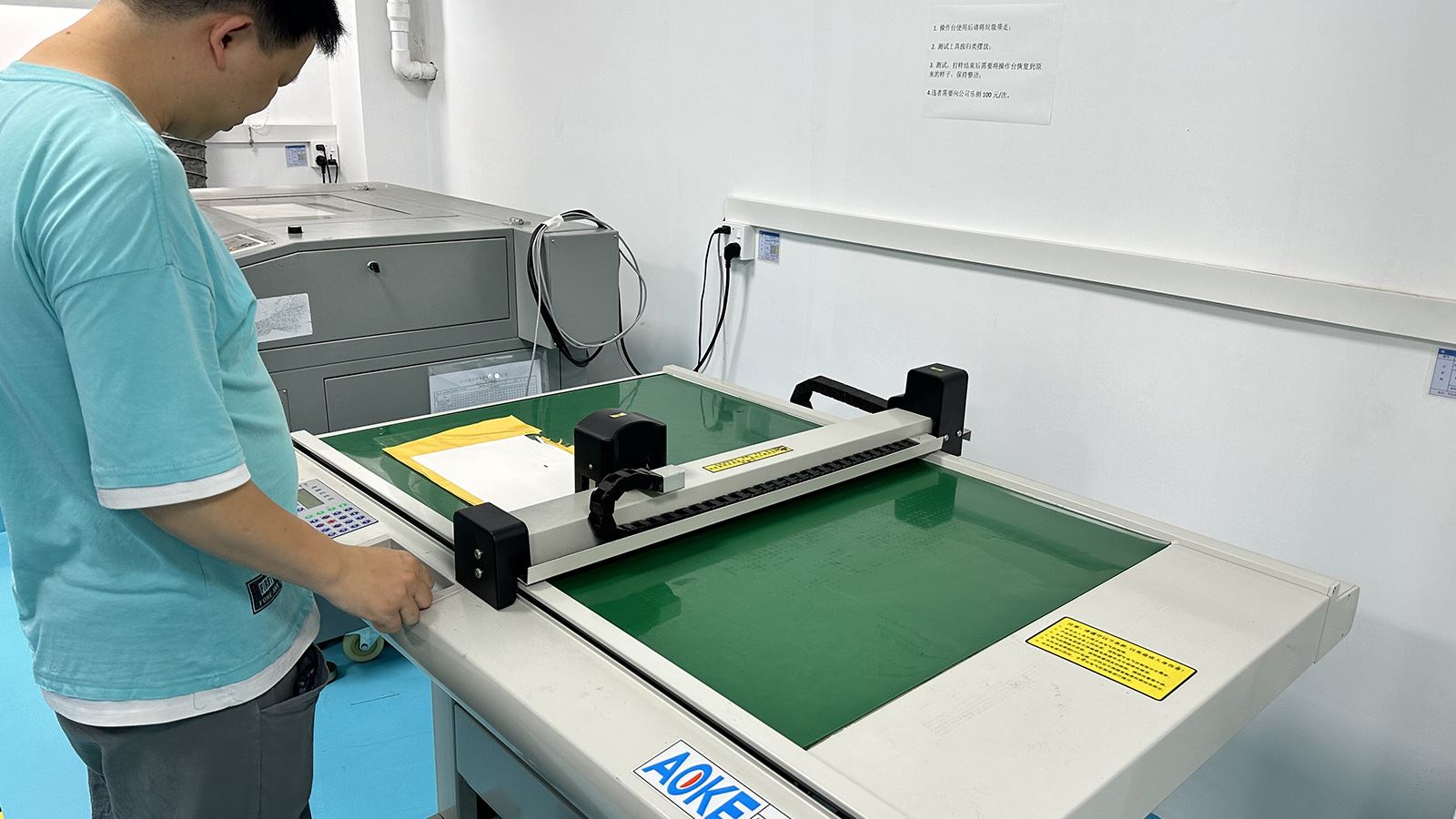
Die Cutting
Flat-bed, rotary and laser cutting from drawing to ready-to-install parts.
Service detailsTape + foam, film, liner or another adhesive layer — engineered into a multi-layer construction, then slit or die-cut to your drawing.
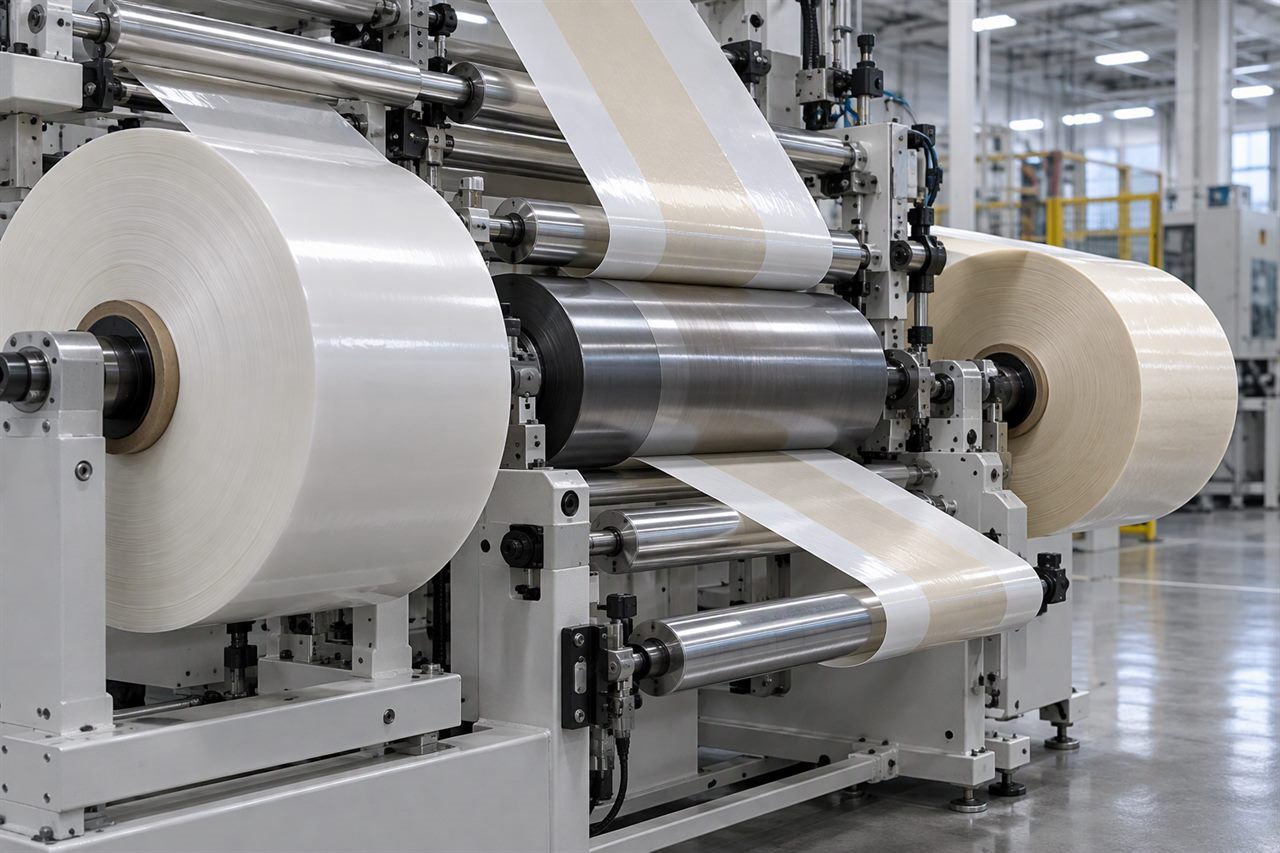
A laminate is a construction rather than a product: two or more functional layers combined into one part that is cut, slit and handled once instead of several times. That is usually where cost and error rate come down, because assembly steps disappear.
We build these constructions roll-to-roll from pre-coated tape, foam, film, barrier layers and liners, in the same plant that slits and die-cuts them. We do not coat adhesive from resin here; we combine materials that already carry it, which is an honest description of what the process can guarantee.
Combine a double-sided tape with PE or acrylic foam.
PET, PI or other film carriers for strength or insulation.
PET, glassine or specialty liners for release and feeding.
Two or more adhesive and carrier layers in one construction.
Convert the laminate into rolls or ready-to-install parts.
Prototype laminates for fit and function testing.
What sits behind the service page, stated the same way as on the plant page, so a capacity claim can be checked in one place rather than in five.
Layer order, alignment and bond carried continuously, so the laminate that reaches the slitting or die-cutting station is one web rather than a stack of operations.
Tape to foam, tape to film, tape to liner, adhesive to adhesive, and three-layer stacks where a barrier or insulating film sits in the middle.
The liner is chosen against the pick method and the release behaviour needed after conversion, not as an afterthought on a drawing.
The same construction can be supplied as a laminate roll, slit to width, or die-cut to a part, with one material record behind it.
A short trial laminate lets you test a construction before committing to a drawing or a tool.
| Specification item | How it gets confirmed |
|---|---|
| Layer stack | Each layer named in order with thickness and material, agreed on the drawing review and repeated on the work order. |
| Adhesive faces | Which face bonds to what, including asymmetric constructions where one side is permanent and the other releases. |
| Total thickness | Nominal, with the band the process can hold, confirmed against the actual components rather than against a datasheet hope. |
| Liner and release | Liner type, release level and behaviour after conversion, checked because die-cutting and heat change how a liner pulls. |
| Bond between layers | Delamination resistance checked on the finished construction, not only on the incoming components. |
| Format | Laminate roll, slit roll, pre-cut strip or die-cut part on liner. |
| Documentation | The construction record, the available data for each component layer, and the inspection result supplied with the order. |
Nothing in this table is a standing promise. It is the list we work through with you; the answers end up in the quotation and on the work order.
Define the layers, adhesives, carriers and liner.
Build a prototype laminate for evaluation.
Test adhesion, release and assembly performance.
Laminate, slit or die-cut, inspect and pack.
Send what you already have. A partial list still gets a useful answer, and whatever is missing simply becomes the question we ask back.
Each incoming layer verified against specification before it goes on the machine, because a laminate inherits every defect underneath it.
A trial laminate built and examined for edge lift, delamination, curl and total thickness before the run.
Liner behaviour checked on the die-cut part rather than on the raw laminate, since cutting changes how it peels.
Layer stack, component lots and result kept with the work order for repeat supply.
Freight term, routing and destination charges are stated on the quotation. The logistics notes and the technical guides explain how each of those lines is worked out.
The material list is a guide. Send the grade or performance requirement and we will confirm compatibility with the cutting route.
Flat-bed, rotary and laser cutting from drawing to ready-to-install parts.
Service details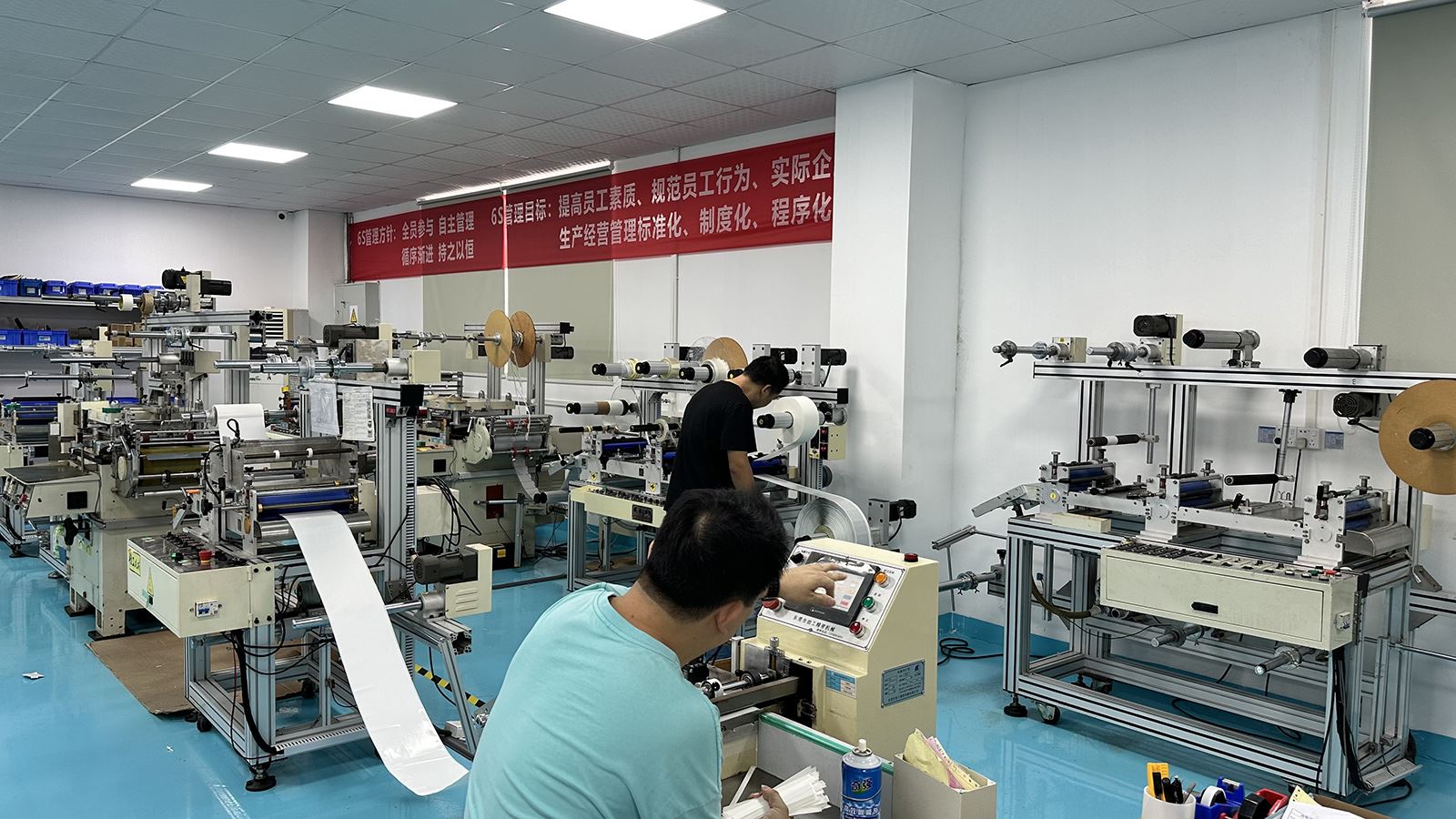
Custom widths, spooling and tension-controlled rewinding from jumbo rolls.
Service details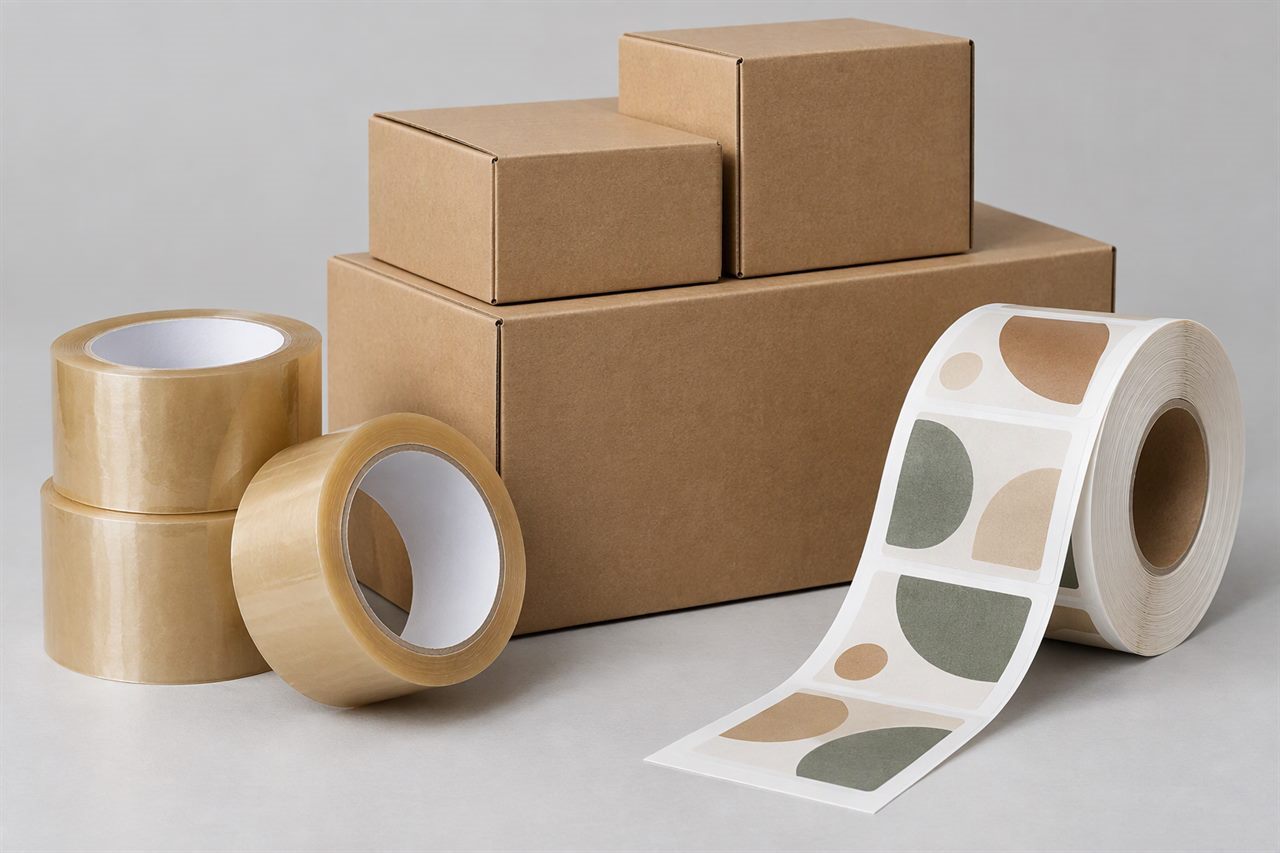
Private-label rolls, printed tape, custom packaging and kitted supply programs.
Service details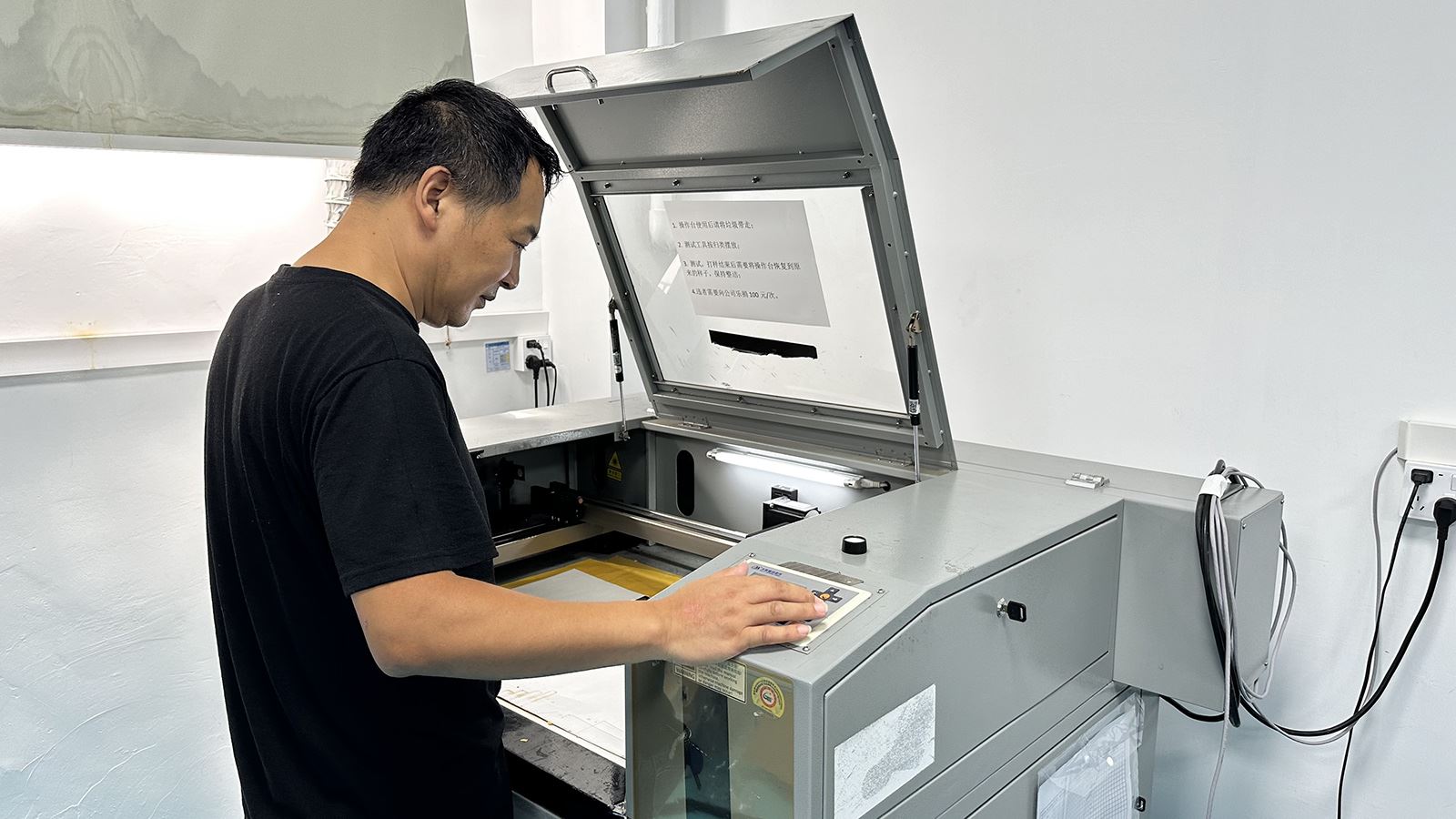
Material selection, prototyping and supply programs for new projects.
Service detailsTape and laminate converted to sheets in a stated width and length, loose or on a liner.
Service detailsFlexographic printing on tape backs, liners, cores and packaging for identification and branding.
Service details
Rolls spliced and wound onto one core so an automated line runs without a roll change.
Service details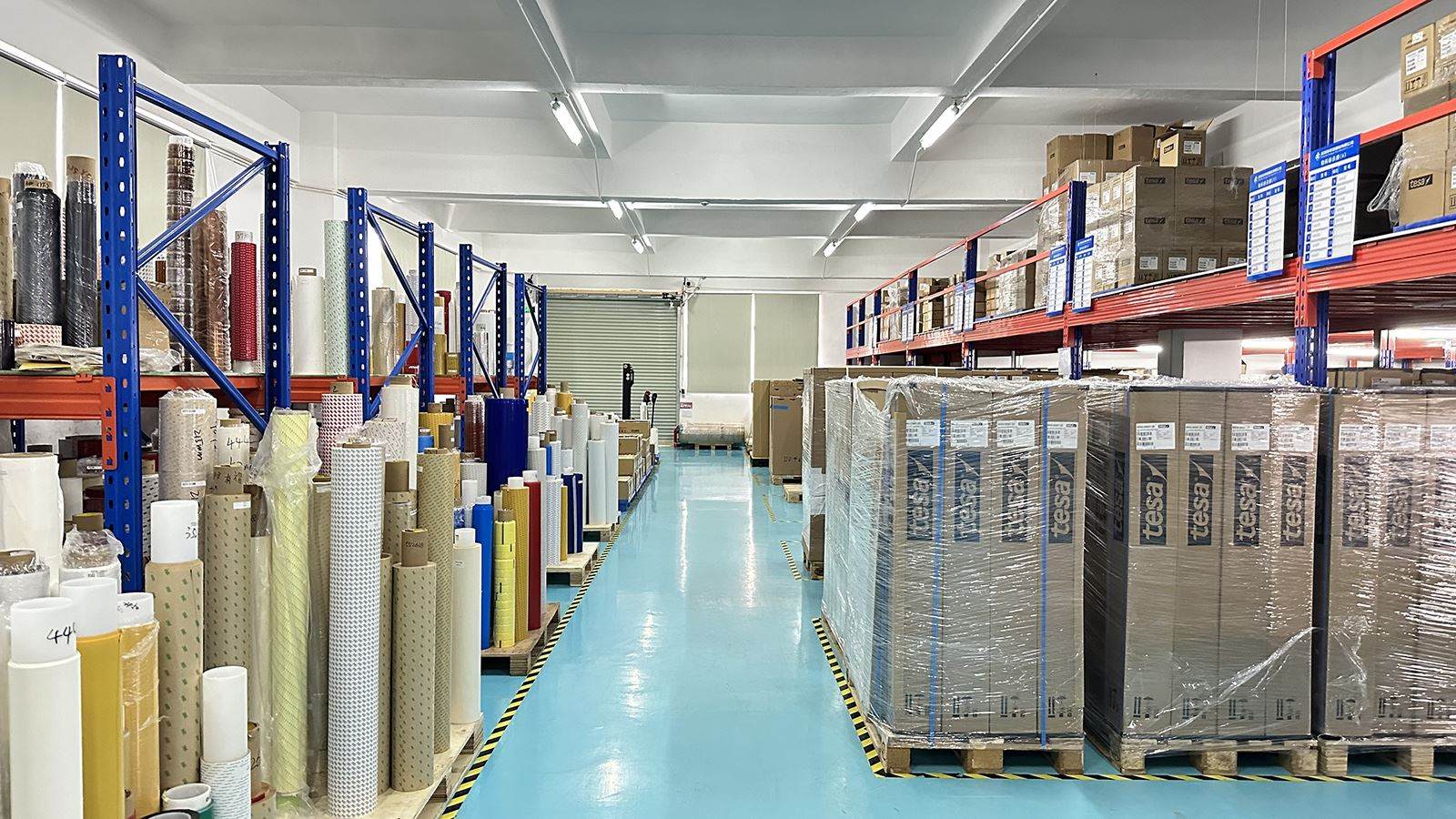
Shrink-sealed rolls, bagged and counted parts, kitted sets and custom printed cartons.
Service detailsSmall or soft parts built into a layer and presented in position, so an assembly places in one step.
Service detailsSend the drawing and the problem. We will review the material, liner and cutting route before quoting.