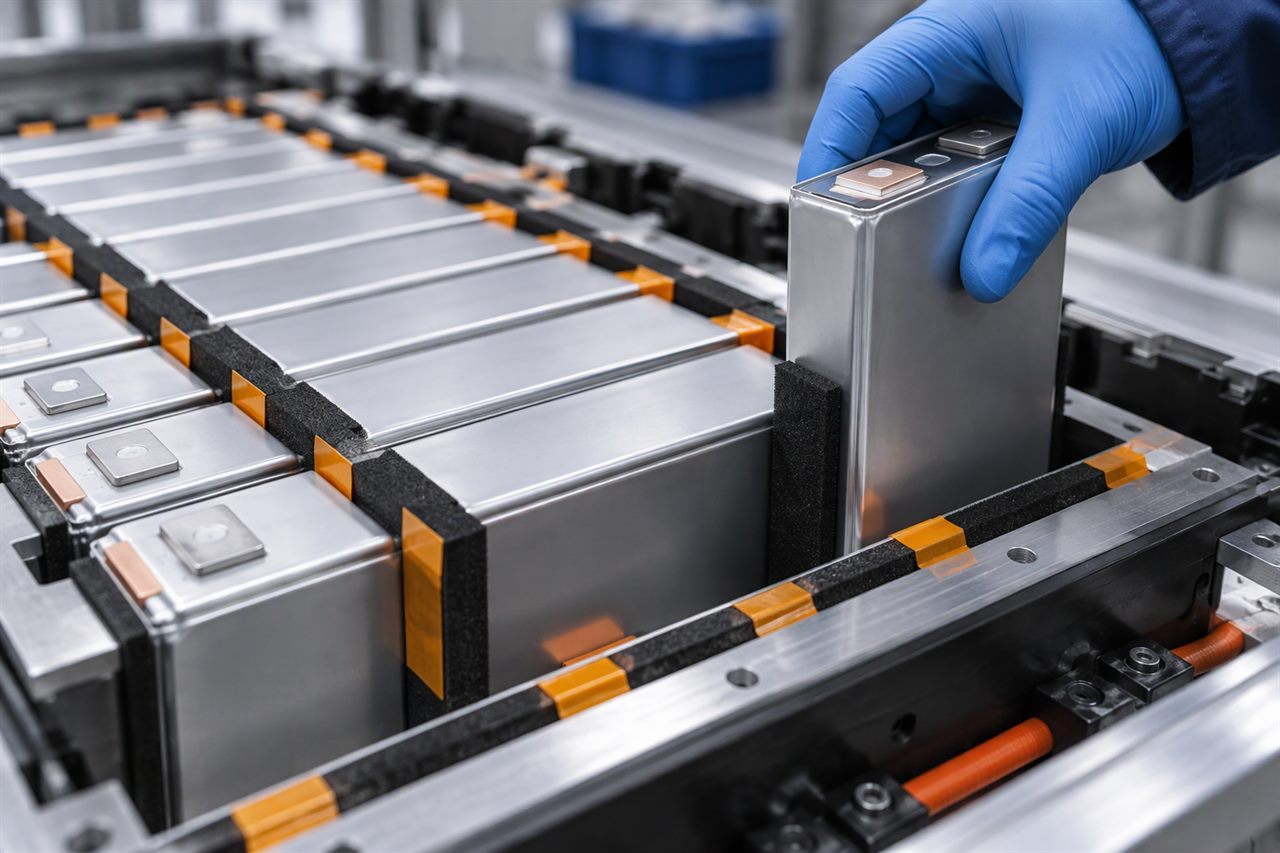
New Energy
Battery bonding, insulation, thermal and flame-retardant tapes for EV, storage and solar.
Holding a cell or a module in place while leaving a defined way to take it out again, which is the requirement that separates a battery tape from every other bonding job.
A battery bond has to hold through vibration and thermal cycling and, where the pack is designed to be serviceable, it also has to let go on purpose. Both requirements are absolute and they conflict. Devices get heavier in the battery and thinner in the chassis at the same time, so the tape carries more load in less space, and whoever opens the pack later should not have to pry at a live cell.
The cell is wrapped in a single-sided film and the wrap is bonded to the housing, so the cell lifts out of a sleeve rather than off an adhesive layer. This route usually uses a thinner multi-layer construction, and the wrap is part of the design.
Maximum hold and impact resistance, chosen where the pack is not designed to be opened. It suits thin designs, and it is the route that makes later service a heat or force problem rather than a routine step.
A die-cut tape is bonded to the cell and pulled at end of life; the construction elongates and the bond releases with little residue. Tear resistance and release force both matter, and the pull tab is a design feature, not an accessory.
High initial hold that drops when a solvent reaches the bond line, which allows a thin design to be opened without force. The solvent, the dwell time and how the housing vents all have to be agreed before it is used.
| Fixing intent | How the bond behaves | Product family |
|---|---|---|
| Cell wrap inside a pack | Single-sided film wrap plus a bonding tape | Functional tape |
| Module fixed permanently | High-cohesion double-sided tape | Double-sided tape |
| User-replaceable cell | Stretch-release die-cut tape with a pull tab | Die-cut parts |
| Service-bench removal | Solvent-releasable construction | Specialty tape |
| Insulation between cells | PET film or a flame-rated grade, per document | Functional tape |
Constructions are starting points. The final choice depends on the substrate, process, test standard and volume.
Battery bonding, insulation, thermal and flame-retardant tapes for EV, storage and solar.

Display, battery, FPC and shielding tapes for consumer electronics and EMS assembly.

PET, non-woven, transfer and tissue tapes for electronics, automotive and appliance assembly.

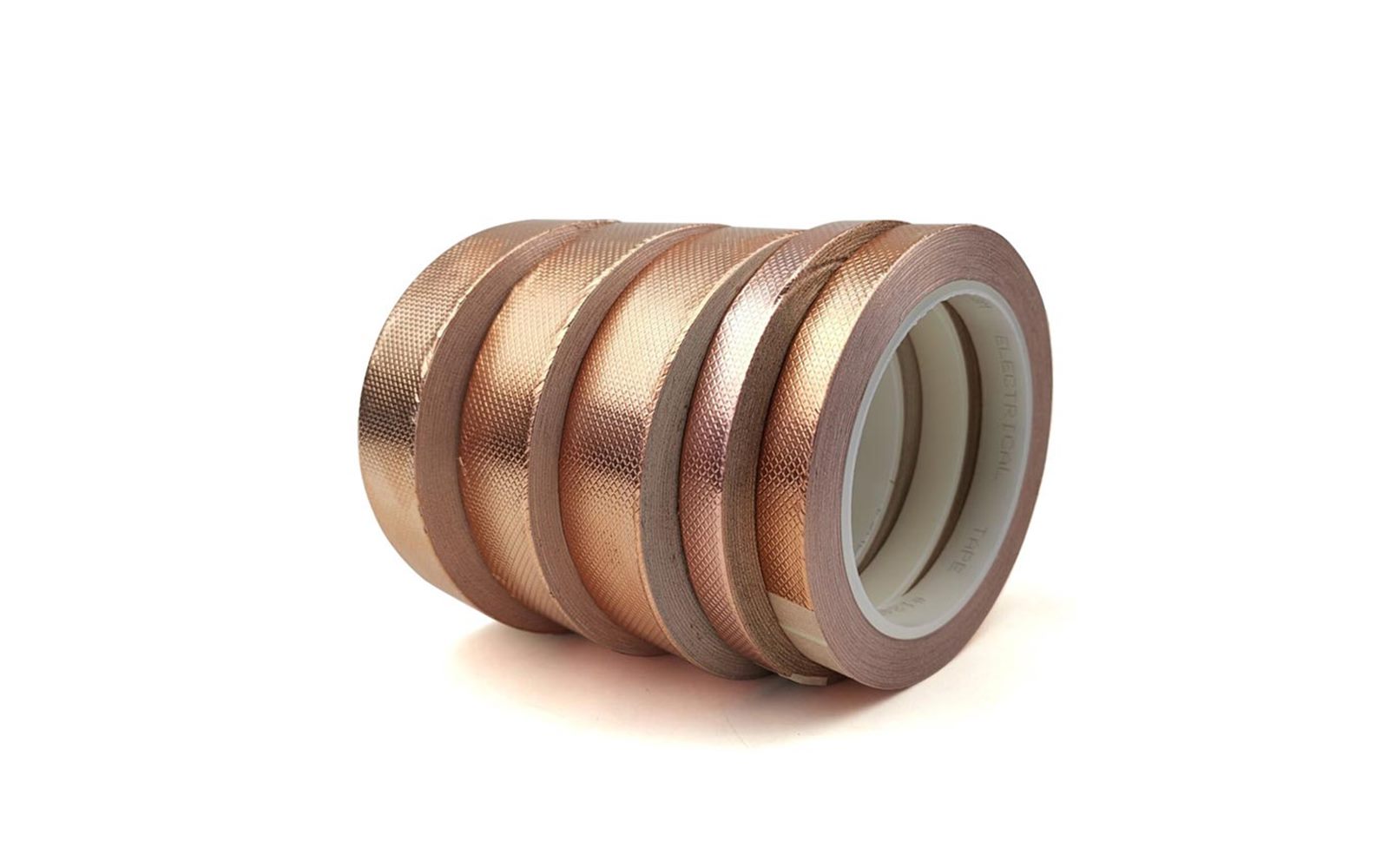
Conductive, polyimide, aluminum foil and thermal tapes for grounding, shielding, insulation and high-temperature protection.
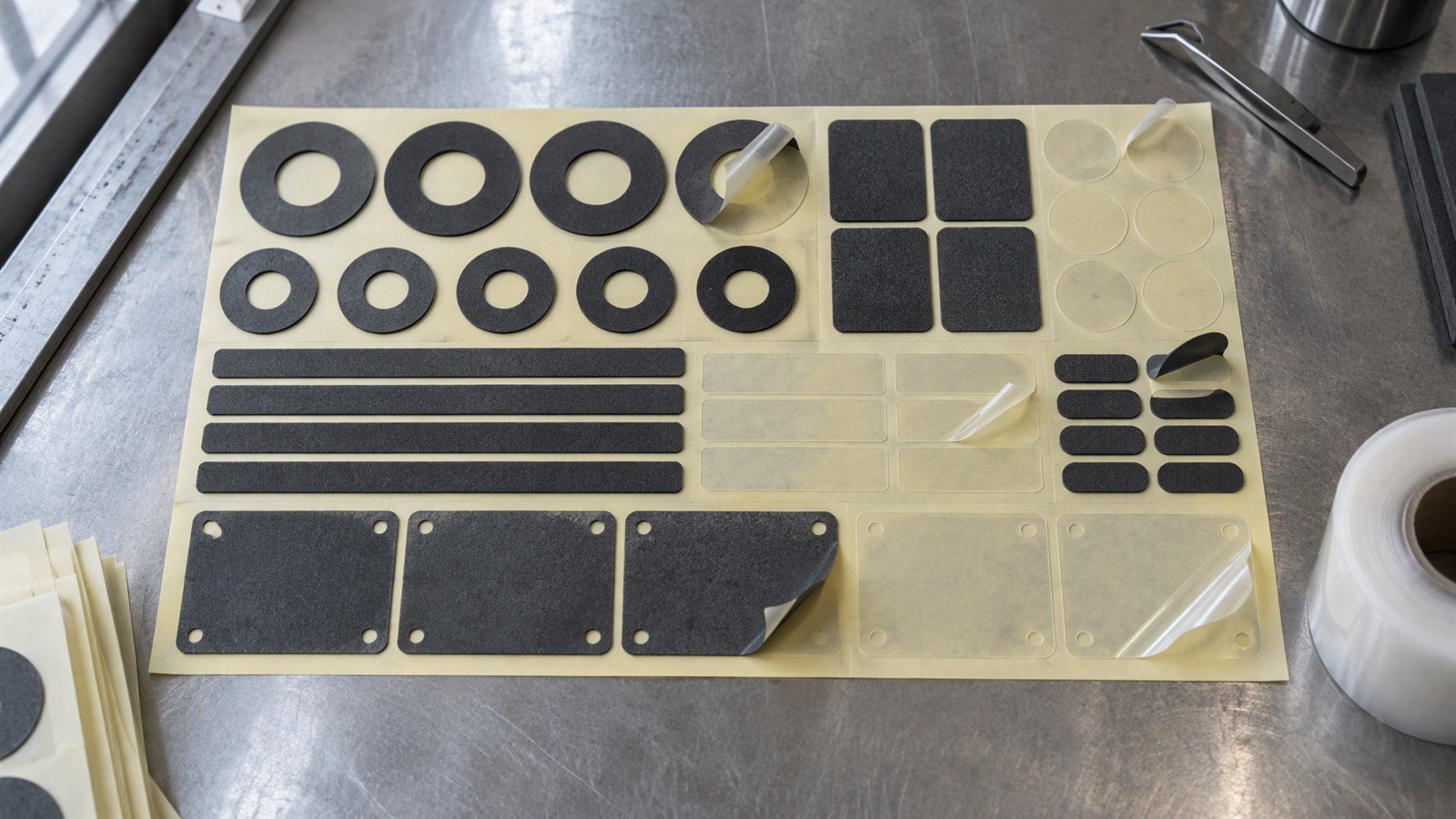
Custom adhesive parts from drawing to ready-to-install: flat-bed, rotary, laser cutting and kitting.
Easy-release, heat-reactive, low-VOC, medical IVD and laser-through glass tapes for demanding applications.
A photo, the substrate and the test you need are enough for a first review.