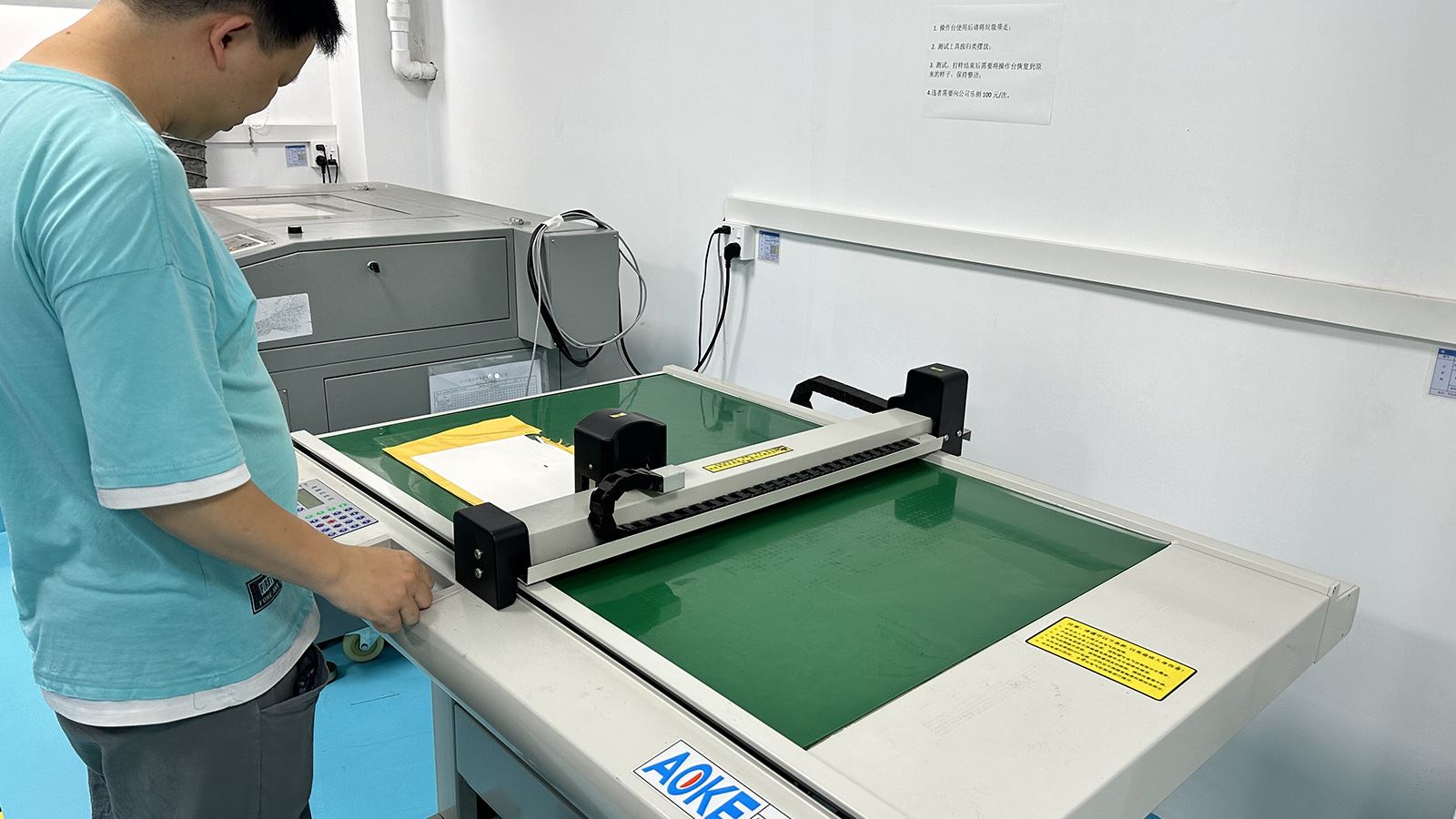
Die Cutting
Flat-bed, rotary and laser cutting from drawing to ready-to-install parts.
Service detailsSlitting, rewinding, lamination, flat-bed and rotary die-cutting, laser cutting, kitting and private-label programs — from jumbo rolls to parts that arrive ready for assembly.
Five converting services cover the distance between a roll of tape and a part your line can install: slitting, die-cutting, lamination, private-label programs and application engineering. They are described here the way a buyer needs them, with the specification items that get confirmed, what to send, how the result is inspected and how it ships.
We choose the route based on shape, tolerance, material and volume, and quote tooling separately so you can compare options.
Flat-bed, rotary and laser cutting from drawing to ready-to-install parts.
Service details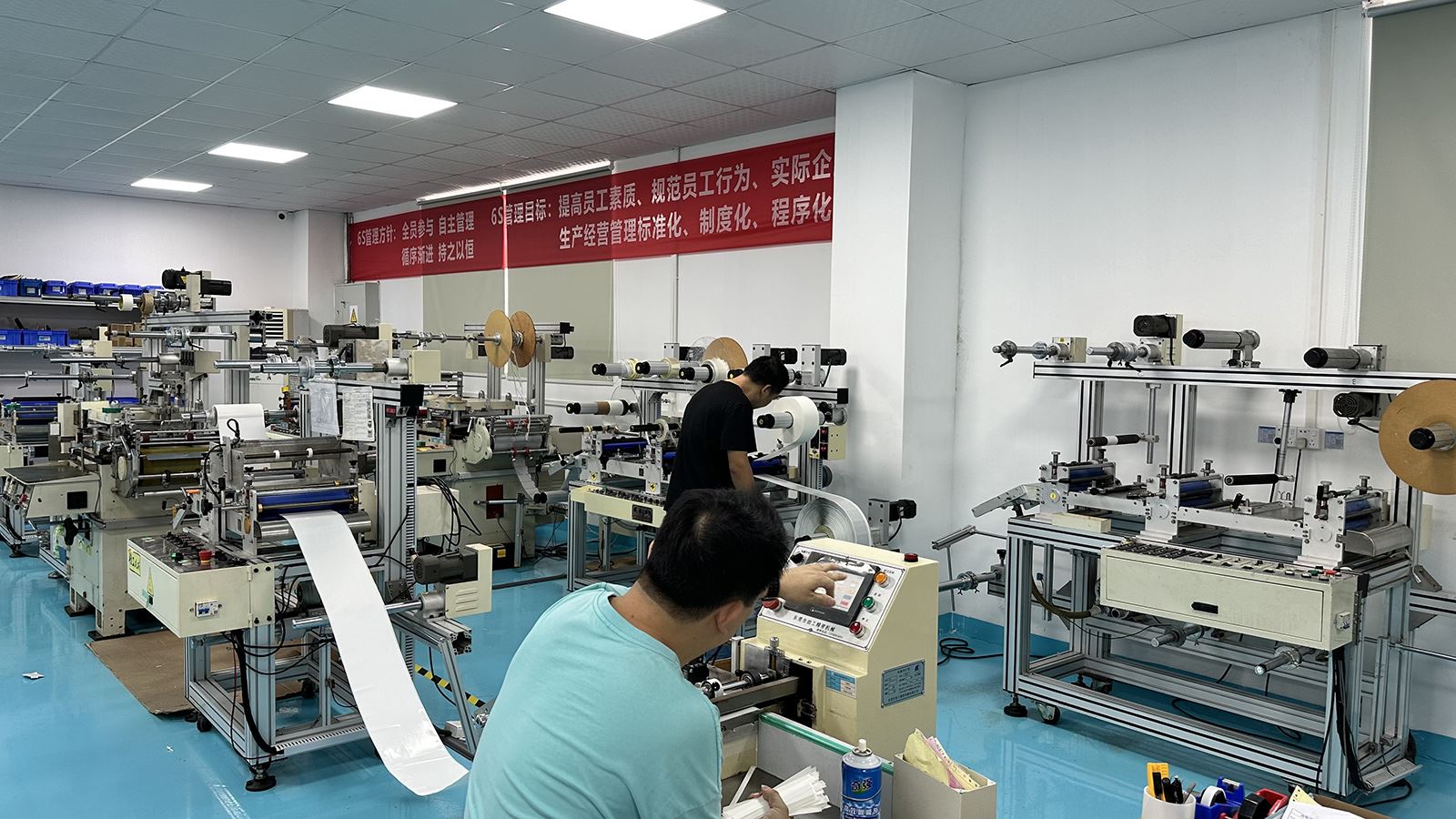
Custom widths, spooling and tension-controlled rewinding from jumbo rolls.
Service details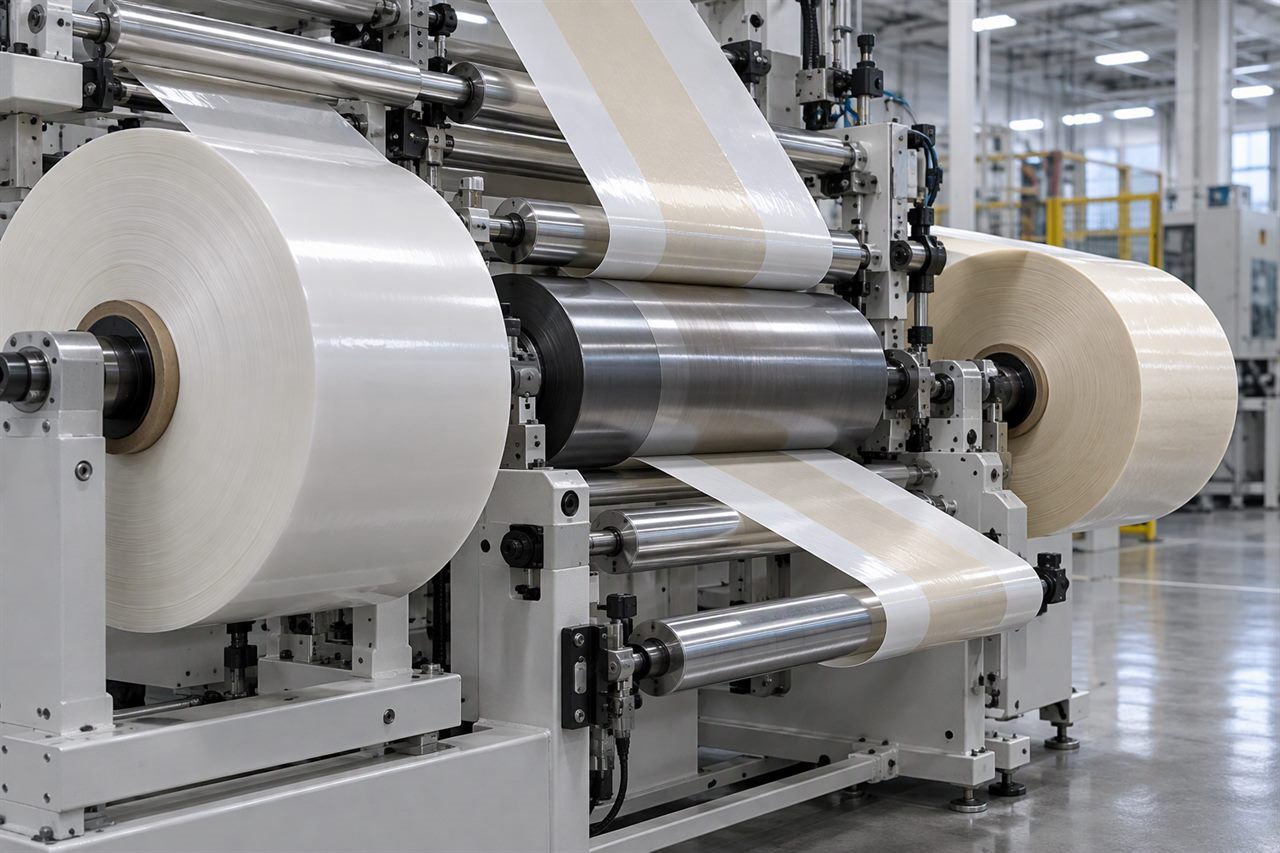
Tape + foam, film, liner and multi-layer adhesive constructions.
Service details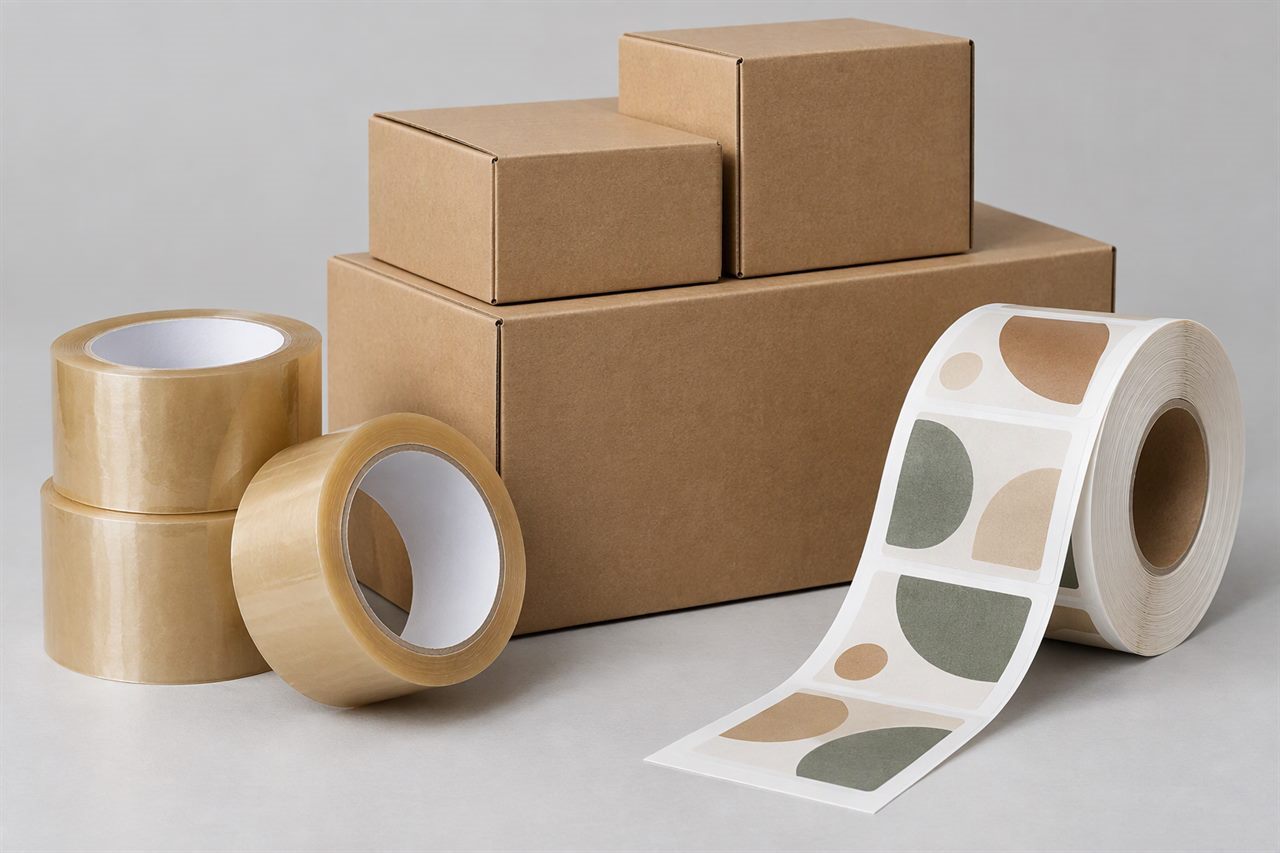
Private-label rolls, printed tape, custom packaging and kitted supply programs.
Service details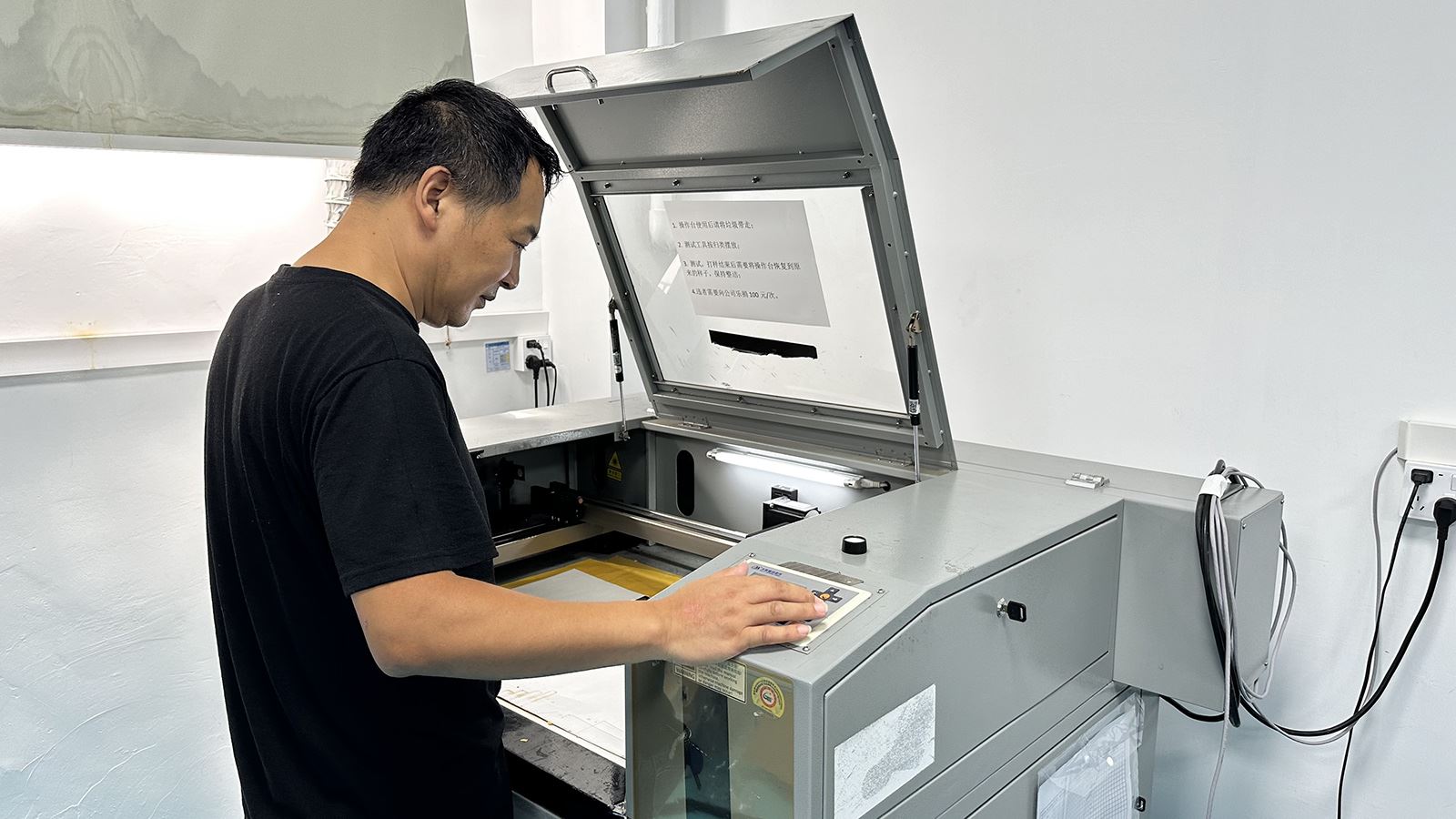
Material selection, prototyping and supply programs for new projects.
Service detailsTape and laminate converted to sheets in a stated width and length, loose or on a liner.
Service detailsFlexographic printing on tape backs, liners, cores and packaging for identification and branding.
Service details
Rolls spliced and wound onto one core so an automated line runs without a roll change.
Service details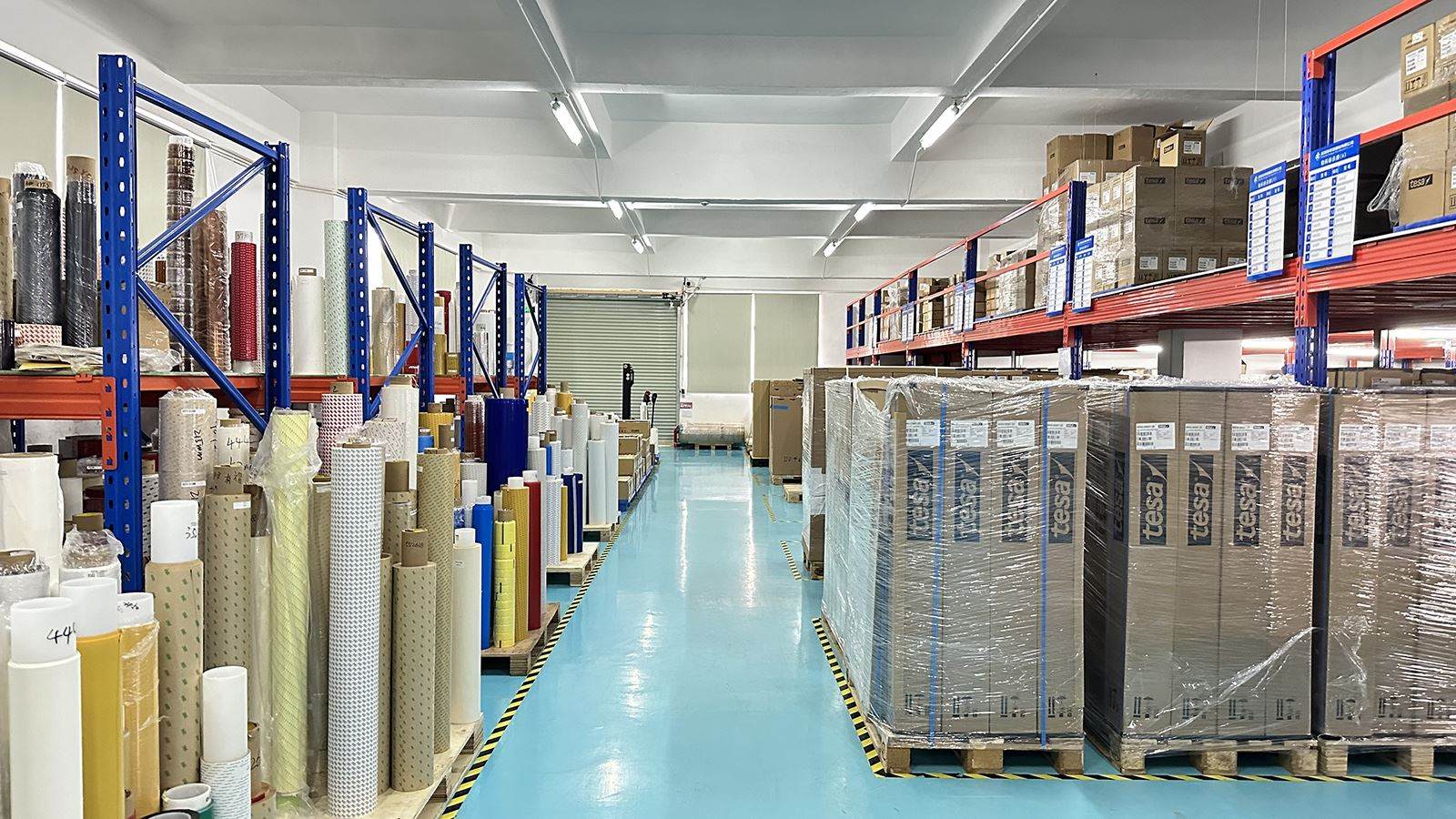
Shrink-sealed rolls, bagged and counted parts, kitted sets and custom printed cartons.
Service detailsSmall or soft parts built into a layer and presented in position, so an assembly places in one step.
Service detailsEach route ends in a different deliverable, so the questions that have to be answered before a quotation differ too.
| Converting route | What you receive | Decided before quoting |
|---|---|---|
| Die cutting | Parts on liner ready to place, with a first-article record measured against your drawing. | The tolerance source, the tooling route, and how the part is presented to the line. |
| Slitting & rewinding | Rolls to the width, core and winding direction your applicator or dispenser expects. | Width and core, unwind direction, splice and telescope rules for the machine that consumes it. |
| Lamination | A construction no single grade provides: adhesive face, functional layer, core or barrier, slit to size. | Layer order, which face carries the adhesive, and whether the liner survives the bond. |
| Private label & OEM | Finished rolls in your packaging, with your artwork, labels and carton marking. | Artwork approval, minimum quantity, and exactly what the label is allowed to claim. |
| Application engineering | A shortlist with a test plan, the reason each option fits and what would rule it out. | The two substrates, the load, the environment and the failure mode you cannot accept. |
One path for a prototype and for a repeating part: the specification is agreed, the sample proves it, and the record stays on the work order.
| Step | What happens |
|---|---|
| Describe the outcome | The part, the joint, the pack or the shelf presentation you need, with the drawing, sample or brand grade you hold today. |
| Confirm the specification | Material, dimensions, tolerance, liner, presentation, packing and the documents that have to travel with the order. |
| Approve a sample | First article or pre-production sample against the stated specification, with the record that supports your approval. |
| Run and release | Production with in-process checks, batch records and outgoing inspection tied to the approved reference. |
| Reorder without re-arguing | The approved construction, setup and inspection scope stay on the work order, so repeat supply is matched against documentation. |
Machine counts and process capability are stated on the factory page; each service page lists the specification items it settles before quoting.
The pages below answer the questions that come after the process is chosen: how the construction behaves on your line, what the shipment involves, what gets confirmed at quotation.
Short build notes for specific assemblies: what the joint carries, which layer of the construction decides it, and what to test before the part goes…
10 pages
Open the sectionCountry-level pages on how an order is actually placed and delivered: the Incoterm to compare, who files the customs entry, which documents the port…
6 pages
Open the sectionThe same four steps apply to a sample and to a repeating order.
PDF, DXF, STEP or a dimensioned photo. We check tolerance, material and liner.
Flat-bed, rotary, laser or CNC, selected for shape, volume and cost.
A production-representative sample with dimensional inspection.
In-process checks, batch traceability and export packing.
The route is chosen with the material in mind: a foam does not behave like a transfer tape or a foil under the same blade.
The industry pages state the requirement each market puts on the same converting route, and what its receiving inspection asks for.
Where the service boundary sits, where the plant figures on this page come from, and how a part stays the same between orders.
Include material or performance requirements, annual quantity and destination. We will confirm tolerance, tooling and lead time.