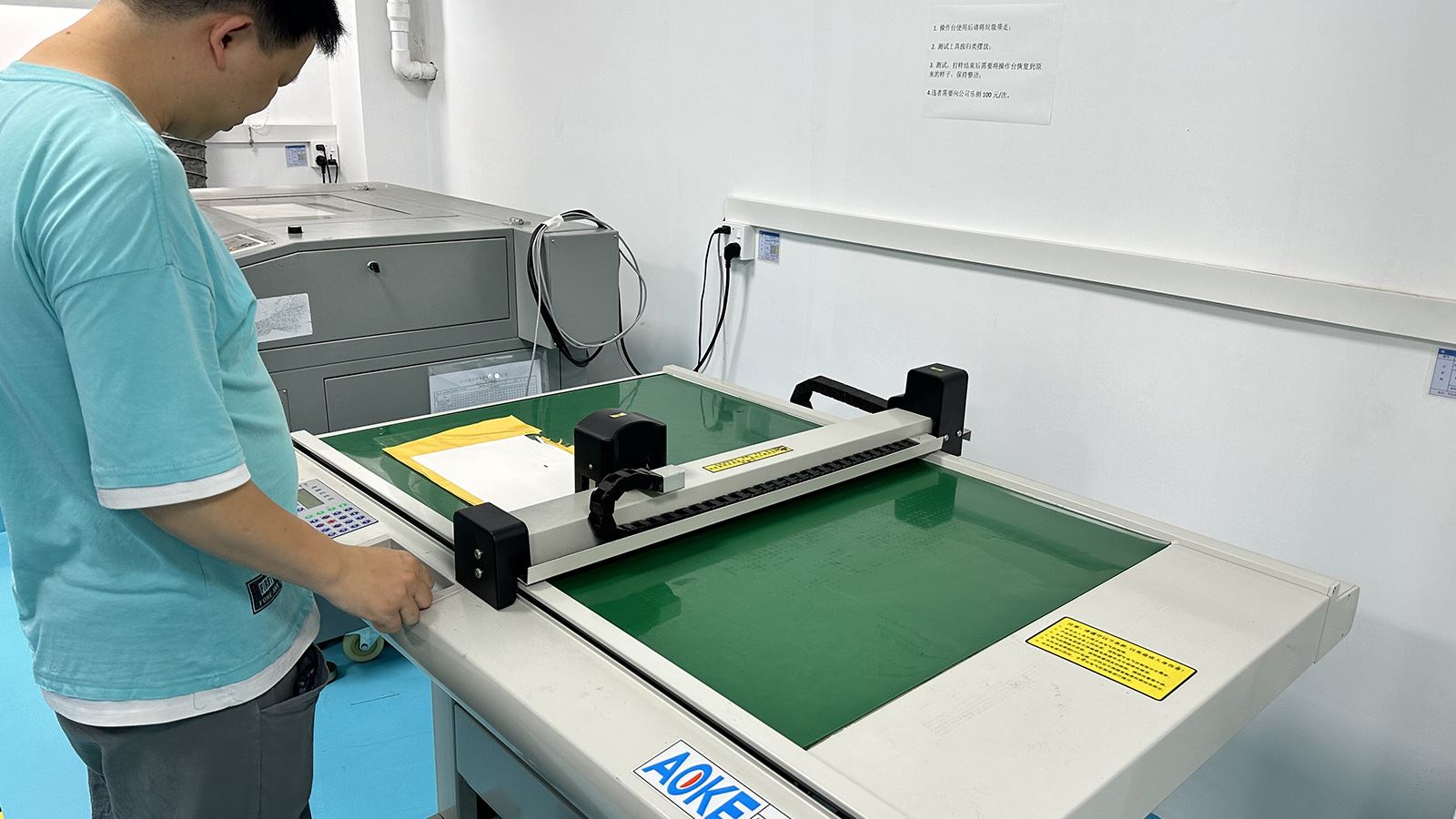
Die Cutting
Flat-bed, rotary and laser cutting from drawing to ready-to-install parts.
Service detailsRolls spliced together and wound onto one core so a line runs a continuous length without stopping to change rolls — the format automated application actually needs.
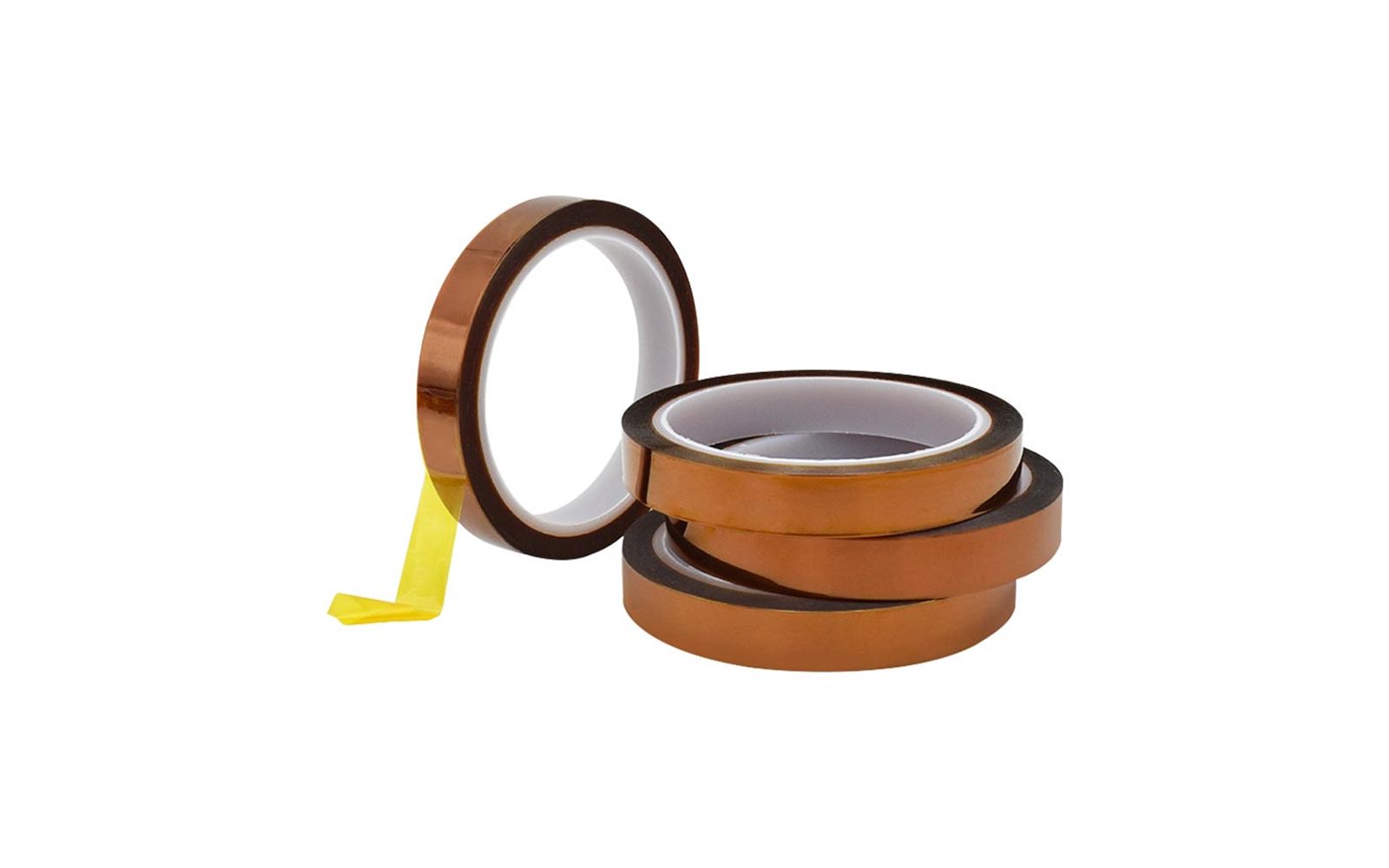
An automated applicator does not care about a roll size; it cares about how many metres it can place before someone intervenes. Spooling is how a continuous length gets past the limit of a single roll: several lengths joined and wound onto one core, so the joint sets the pace instead of the operator.
The whole question is the splice. Whether it passes the head, whether it changes thickness at the point of placement and how often it arrives are process facts, and they are established by running a trial spool on your machine before an order is placed rather than by asserting a figure.
Lengths joined so the web runs past the applicator without a stop.
The spool, flange and bore chosen against the applicator rather than against a stock list.
Even build across the width so the tape releases cleanly at speed.
Wound to unwind without telescoping, set for the material.
Spool length planned against the run so a change happens on purpose, not by surprise.
The joint position recorded or marked where the process needs to know it.
What sits behind the service page, stated the same way as on the plant page, so a capacity claim can be checked in one place rather than in five.
Roll ends joined by a method selected against the material and the applicator head.
Lengths wound across a spool so the web releases evenly at speed instead of snagging.
Wound firm enough to hold its shape through transit and soft enough not to distort a foam.
Bore, flange and width checked against the machine rather than assumed from a standard.
| Specification item | How it gets confirmed |
|---|---|
| Length per spool | Set from the cycle the line runs and how often a change is acceptable. |
| Spool and core | Bore, flange diameter, width and material, confirmed against the applicator. |
| Splice method and tolerance | How the joint is made and what may happen at it, agreed before winding. |
| Winding direction | Which face runs out and how the tape leaves the spool, because a wrong direction stops a line. |
| Unwind behaviour at speed | Checked on your equipment with a trial spool rather than claimed from a specification. |
| Roll identification | Material, lot and length recorded on the spool label for traceability at the station. |
Nothing in this table is a standing promise. It is the list we work through with you; the answers end up in the quotation and on the work order.
Confirm the applicator, the core, the length per cycle and the run speed.
Agree the splice method and what is acceptable at the joint for your material.
Wind a trial and run it on your line before the order is placed.
Splice, wind, inspect the build and pack with roll identification.
Send what you already have. A partial list still gets a useful answer, and whatever is missing simply becomes the question we ask back.
Every splice is a known position, recorded or marked where the process has to account for it.
Spool shape, tension and edge alignment checked before packing.
A trial spool run on your equipment before the format is fixed on an order.
Freight term, routing and destination charges are stated on the quotation. The logistics notes and the technical guides explain how each of those lines is worked out.
The material list is a guide. Send the grade or performance requirement and we will confirm compatibility with the cutting route.
Flat-bed, rotary and laser cutting from drawing to ready-to-install parts.
Service details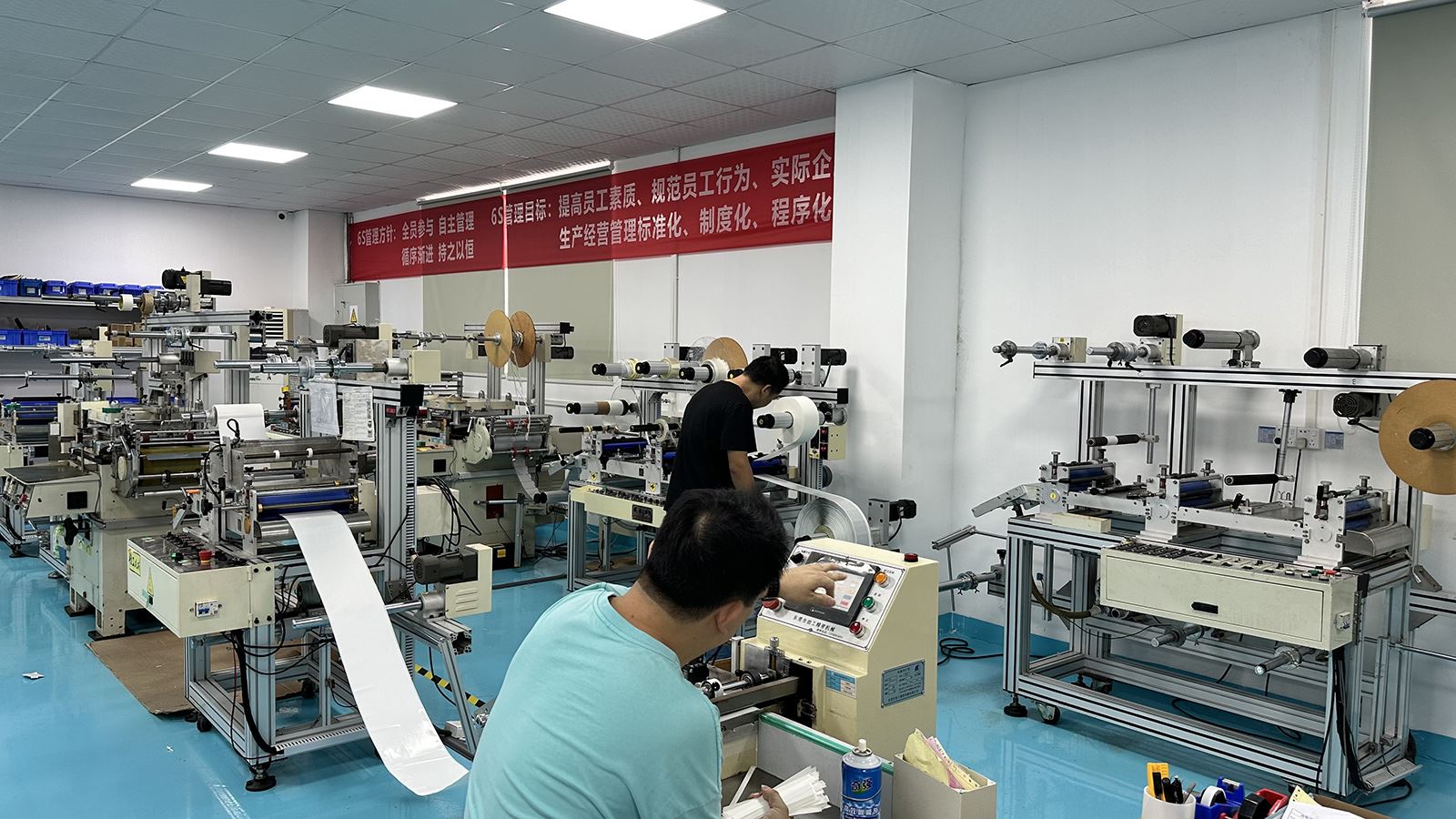
Custom widths, spooling and tension-controlled rewinding from jumbo rolls.
Service details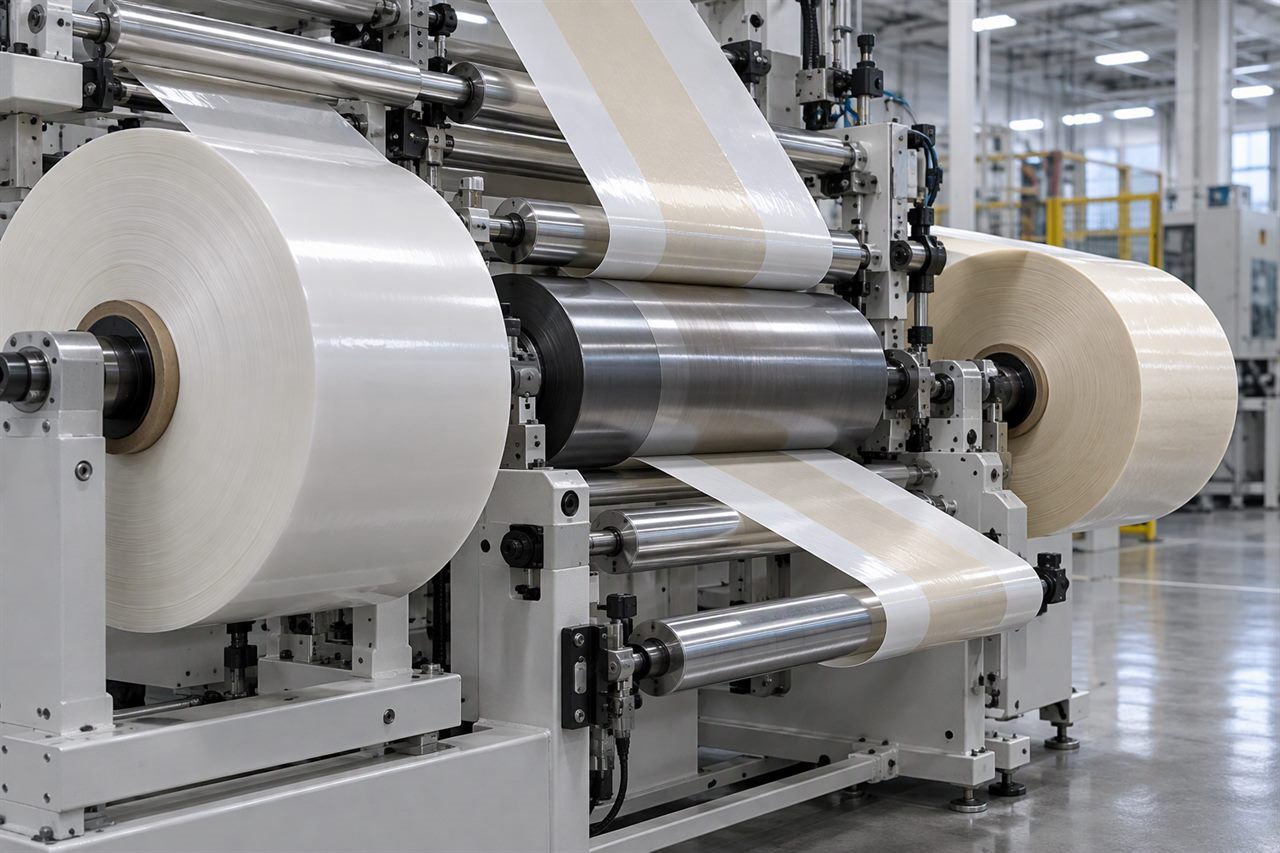
Tape + foam, film, liner and multi-layer adhesive constructions.
Service details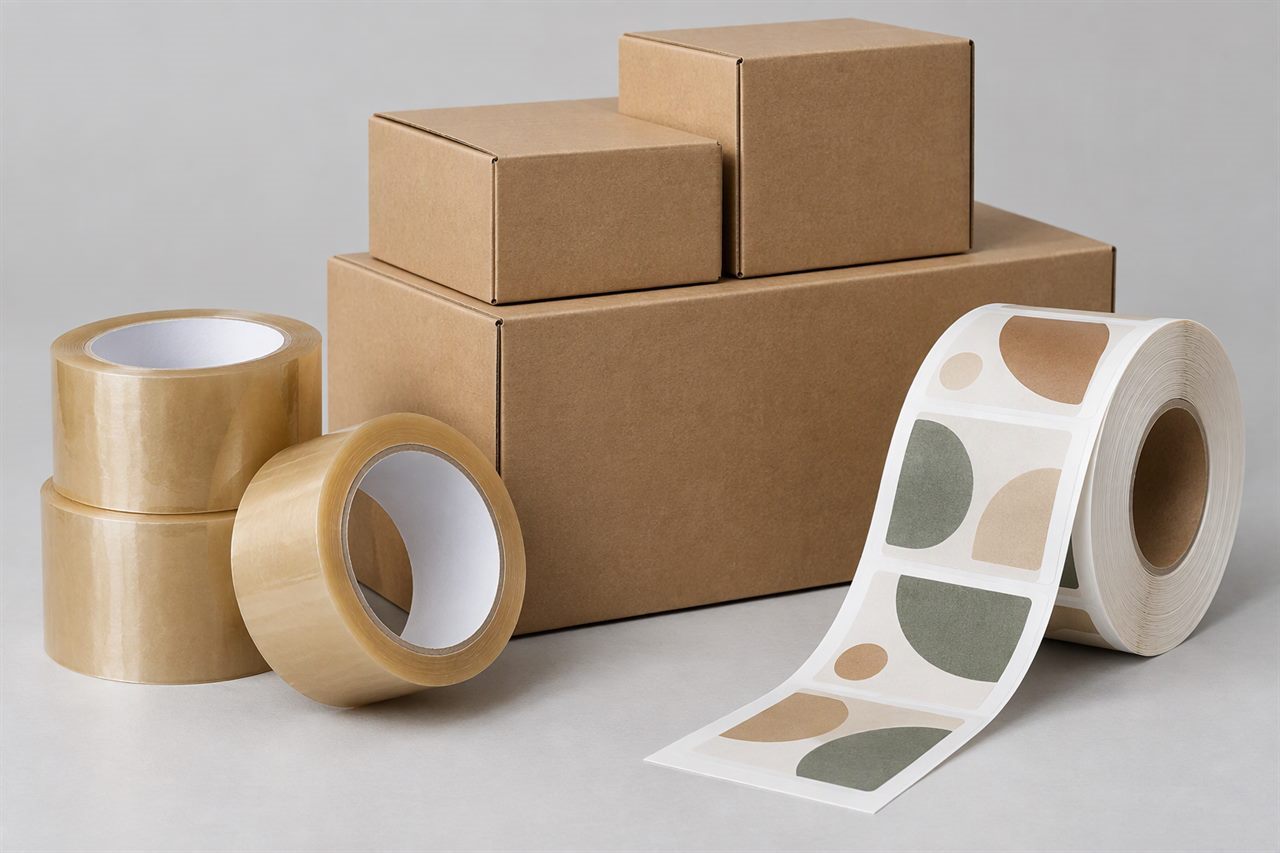
Private-label rolls, printed tape, custom packaging and kitted supply programs.
Service details
Material selection, prototyping and supply programs for new projects.
Service detailsTape and laminate converted to sheets in a stated width and length, loose or on a liner.
Service detailsFlexographic printing on tape backs, liners, cores and packaging for identification and branding.
Service details
Shrink-sealed rolls, bagged and counted parts, kitted sets and custom printed cartons.
Service detailsSmall or soft parts built into a layer and presented in position, so an assembly places in one step.
Service detailsSend the drawing and the problem. We will review the material, liner and cutting route before quoting.