
Electronics & EMS
Display, battery, FPC and shielding tapes for consumer electronics and EMS assembly.
Industry solutionsElectronics, automotive, new energy, construction, medical, packaging, appliance, transport, print, metal and card assembly teams use our tapes and converted parts where the bond has to survive heat, movement and time.
Temperature, substrate, load and service life decide the construction. We work from those requirements, not from a favourite product.
Display, battery, FPC and shielding tapes for consumer electronics and EMS assembly.
Industry solutions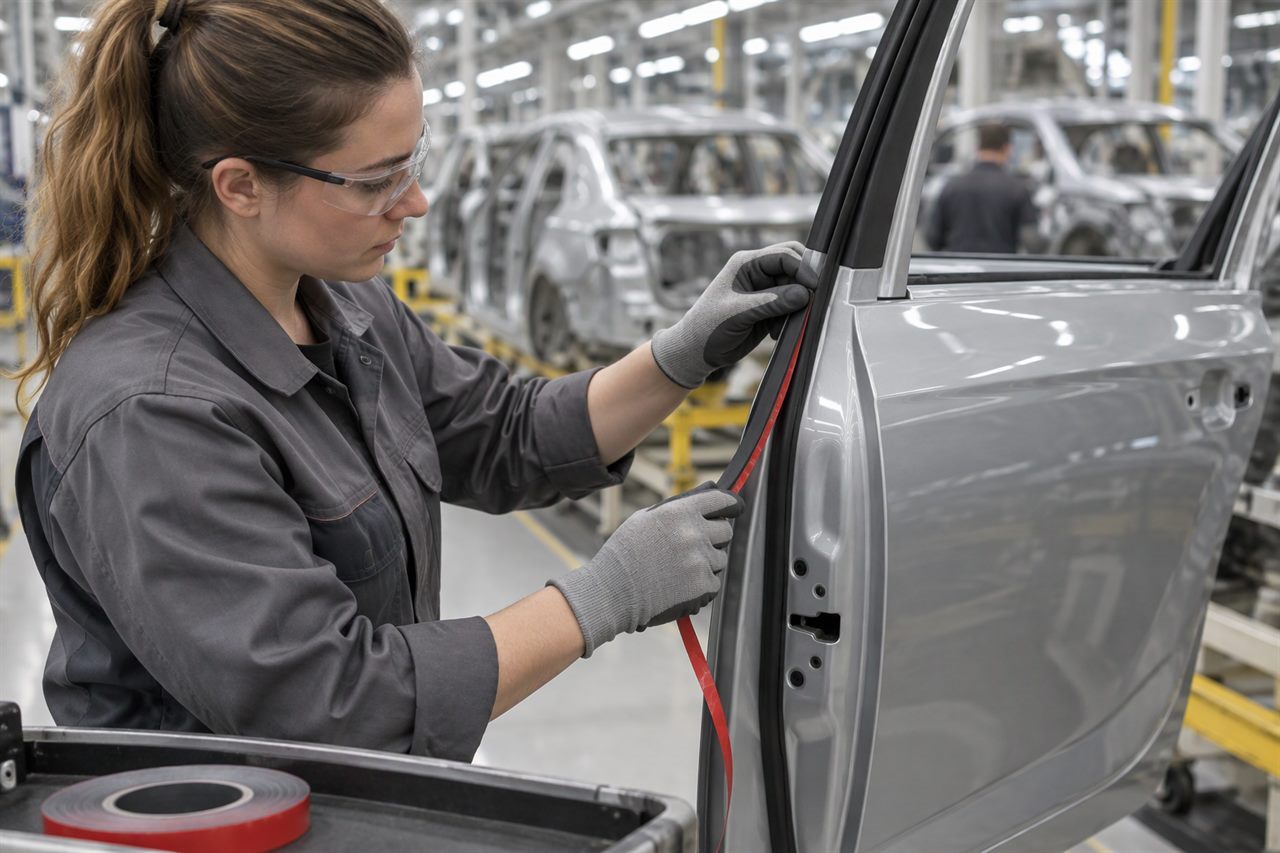
Exterior trim, low-VOC interior, masking and label tapes for automotive manufacturing.
Industry solutions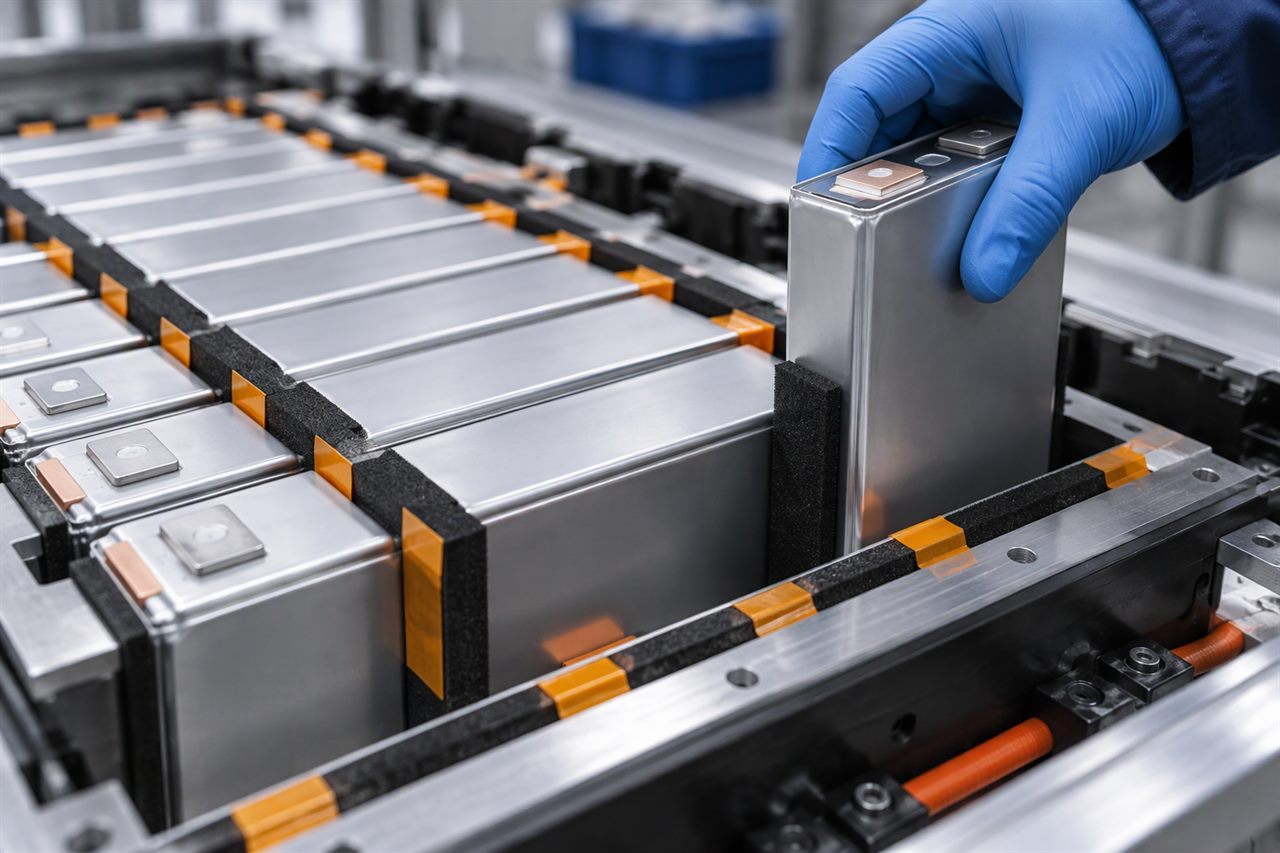
Battery bonding, insulation, thermal and flame-retardant tapes for EV, storage and solar.
Industry solutions
Window glazing, panel bonding, flooring, HVAC and masking tapes for construction.
Industry solutions
Precision medical assembly and IVD mid-separator tapes with clean die-cutting.
Industry solutions
MOPP, cloth and masking tapes for carton sealing, bundling and export protection.
Industry solutions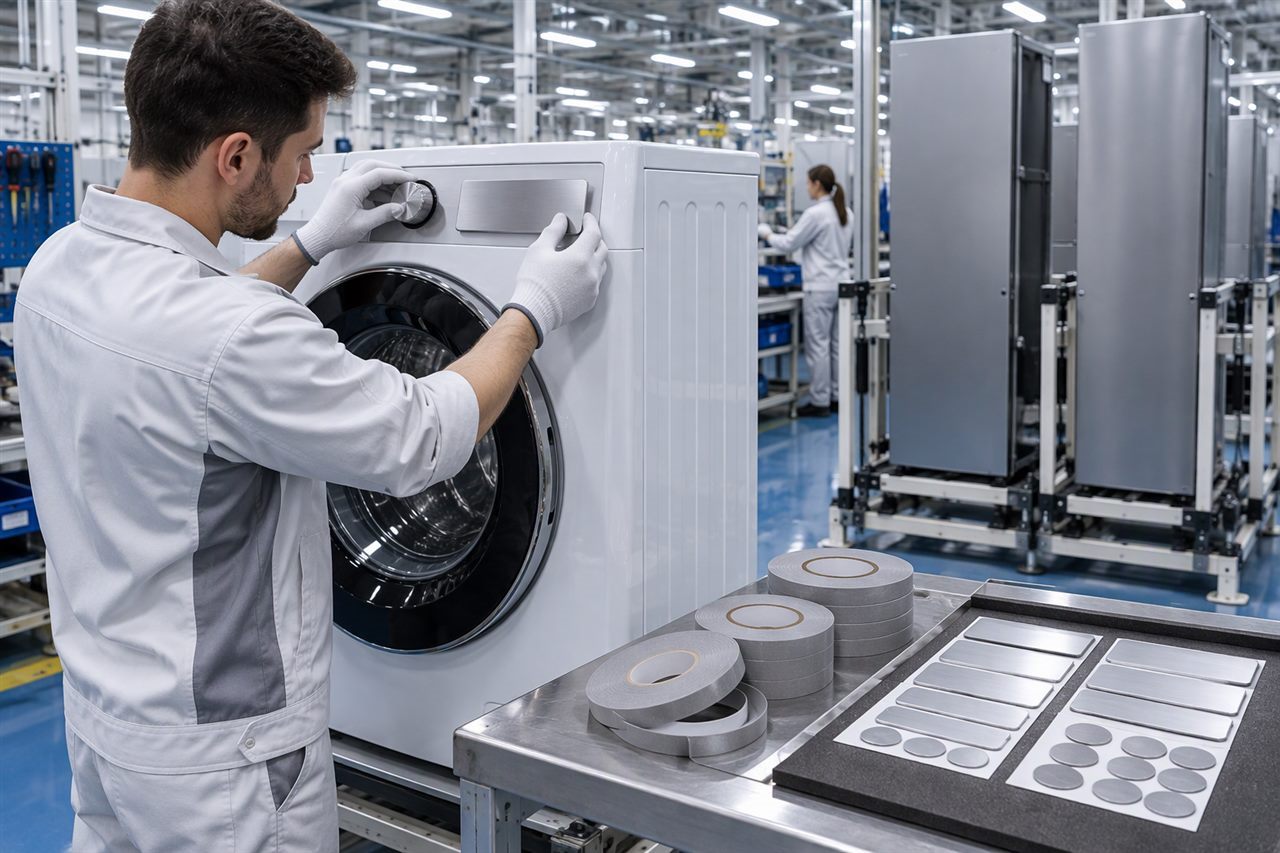
Panel, nameplate, foil and damping tapes for white goods, HVAC and office equipment.
Industry solutions
Trim, harness, insulation and damping tapes for rail, road, marine and aerospace builds.
Industry solutions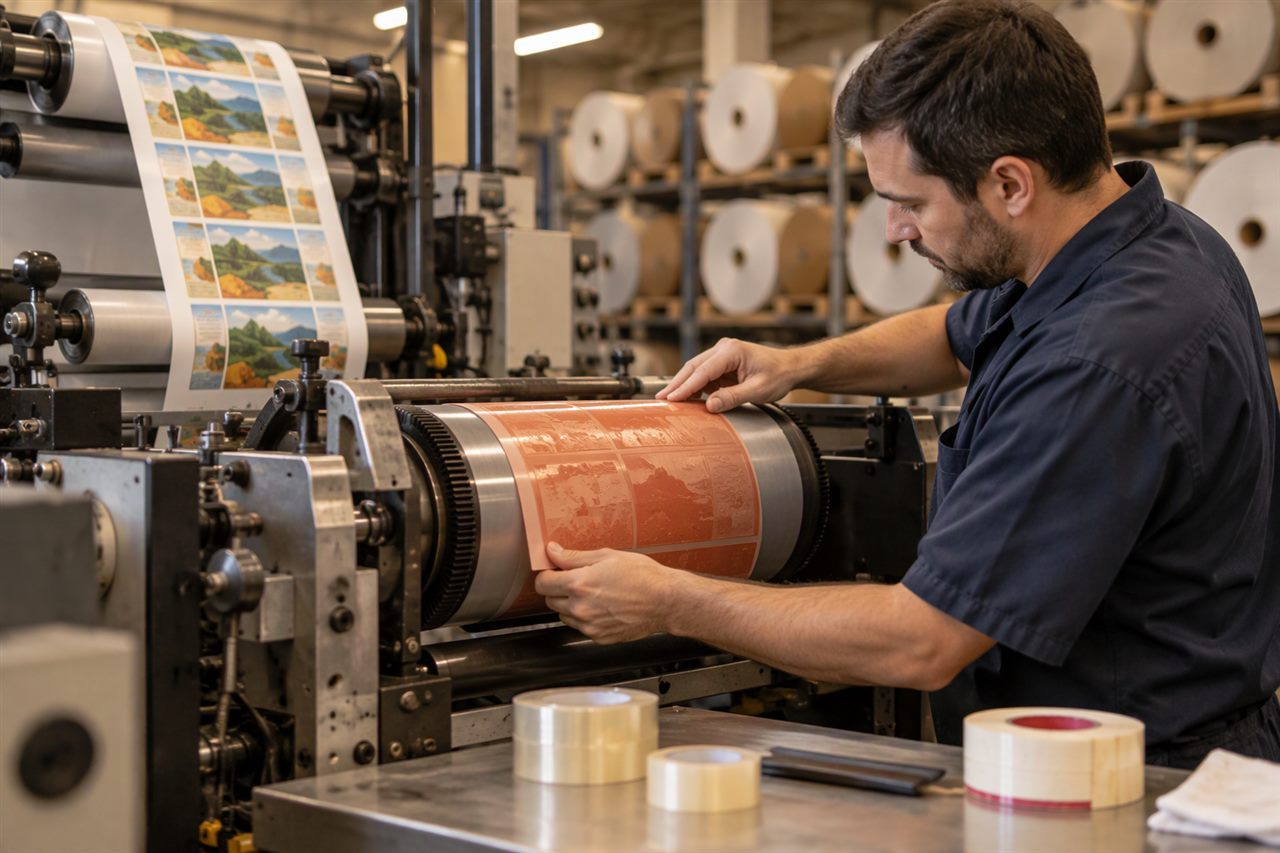
Splicing, plate mounting and process tapes for flexo, gravure and corrugating lines.
Industry solutions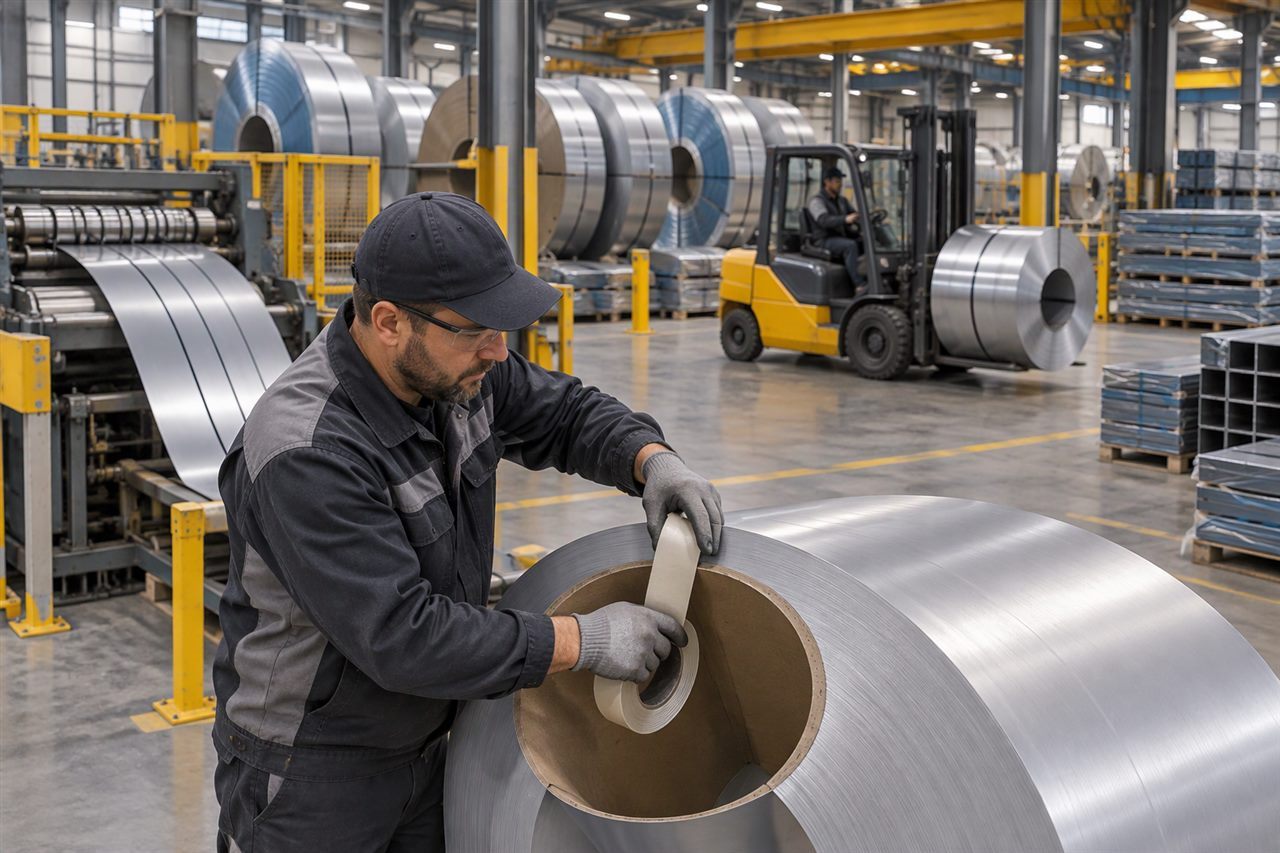
Core starting, splicing, edge protection and bundling tapes for mills and workshops.
Industry solutions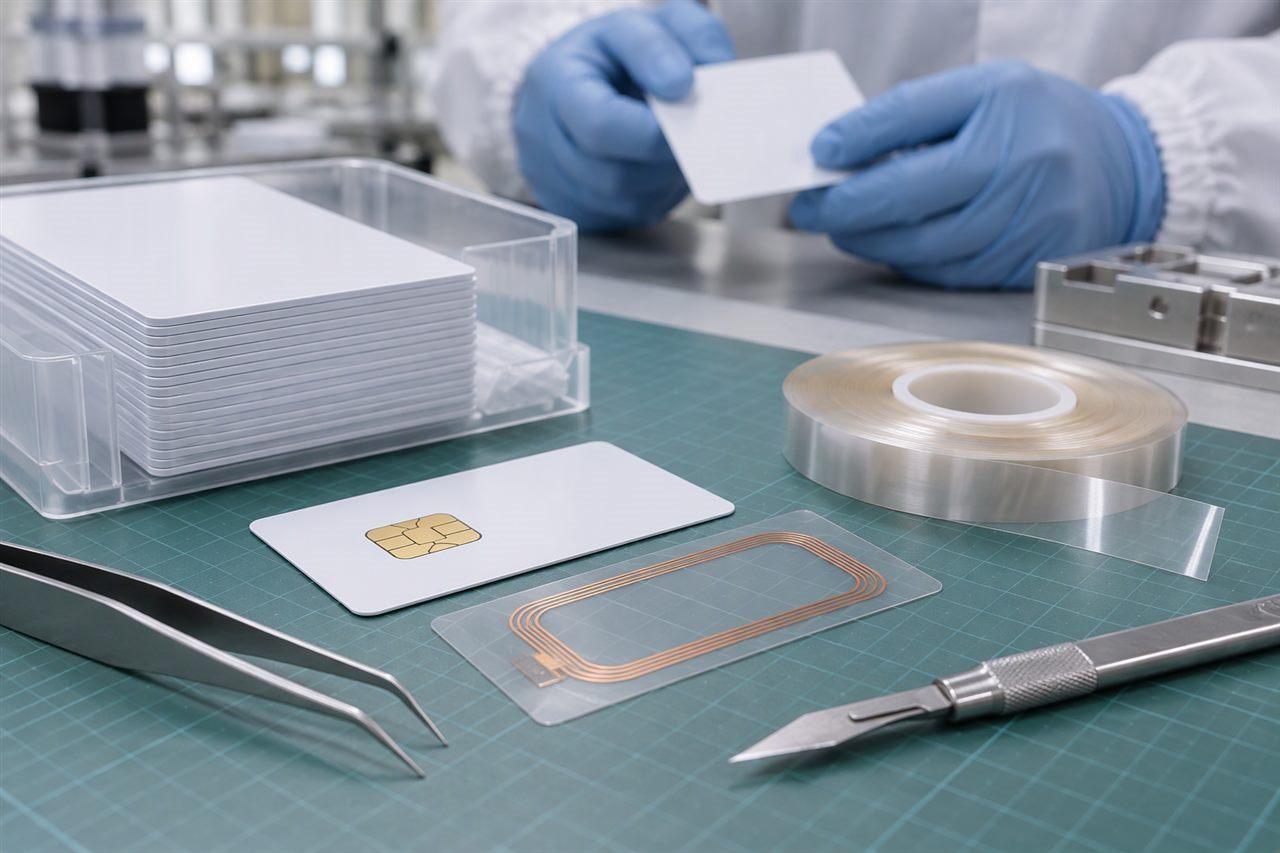
Heat-activated and anisotropic conductive films for card modules and inlays.
Industry solutionsEnquiries rarely arrive as an industry name. They arrive as a line, a part or a problem, and these are the ones that reach us most often — each one opens the page that carries the material thinking.
Exact materials, surface energy and coating. A powder coat is not the same as bare metal.
Peel or shear, static or dynamic, and how much thermal expansion the joint must absorb.
Maximum surface temperature, humidity, UV, water and cleaning agents.
Manual or automated assembly, dwell time, part format and annual quantity.
Six pages, each built around the constraint that decides the construction for that market rather than around a product list.
| Industry | The constraint that decides the material | What the page answers |
|---|---|---|
| Electronics and EMS | Miniaturisation, heat from reflow or soldering, and clean die-cut edges on thin parts | Display, battery, FPC and shielding selections, plus how traceability is kept on a small part |
| Automotive | Heat, humidity and UV on the exterior; low VOC and odour inside the cabin | Trim, masking and label selections, and what repeatability means when the part is fitted on a line |
| New energy | Electrical safety, thermal behaviour and aging in humid conditions | Battery bonding, insulation, thermal and flame-retardant routes, and the automation questions around them |
| Construction and building | Weather exposure plus a very wide range of substrates applied on site | Glazing, panel bonding, flooring and HVAC selections, and how a bond survives being installed by hand |
| Medical and IVD | Precision, material compatibility and aging stability of the assembly | Mid-separator and precision assembly tapes, clean die-cutting and what has to be documented |
| Packaging and logistics | Carton sealing, bundling and printability under cost pressure per roll | MOPP, cloth and masking selections, and how protection and cost are traded off |
The industry pages are written to be read next to a drawing or a failure, not as background reading. Each one describes what the bond has to survive, where the tape sits in the assembly, and how a typical project moves from the request to the approved part.
Tell us the service environment and the substrate. We will recommend a construction and a test plan that matches the climate where it will be used.