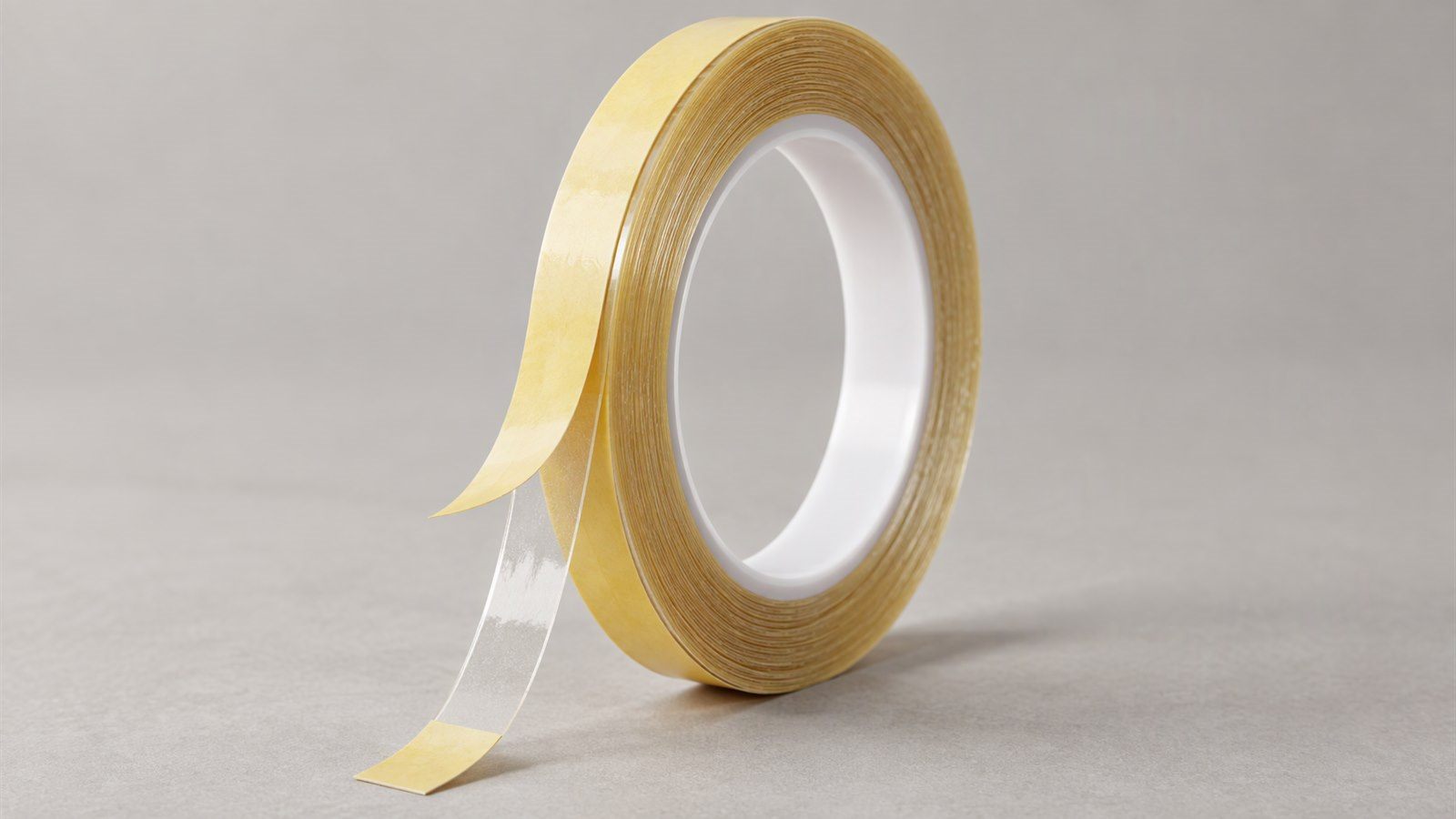
Double-Sided Tape
PET, non-woven, transfer and tissue tapes for electronics, automotive and appliance assembly.
View productTwo tapes can look equivalent on a datasheet and behave differently on the line. Use this method to compare branded grades and document an approved alternative.
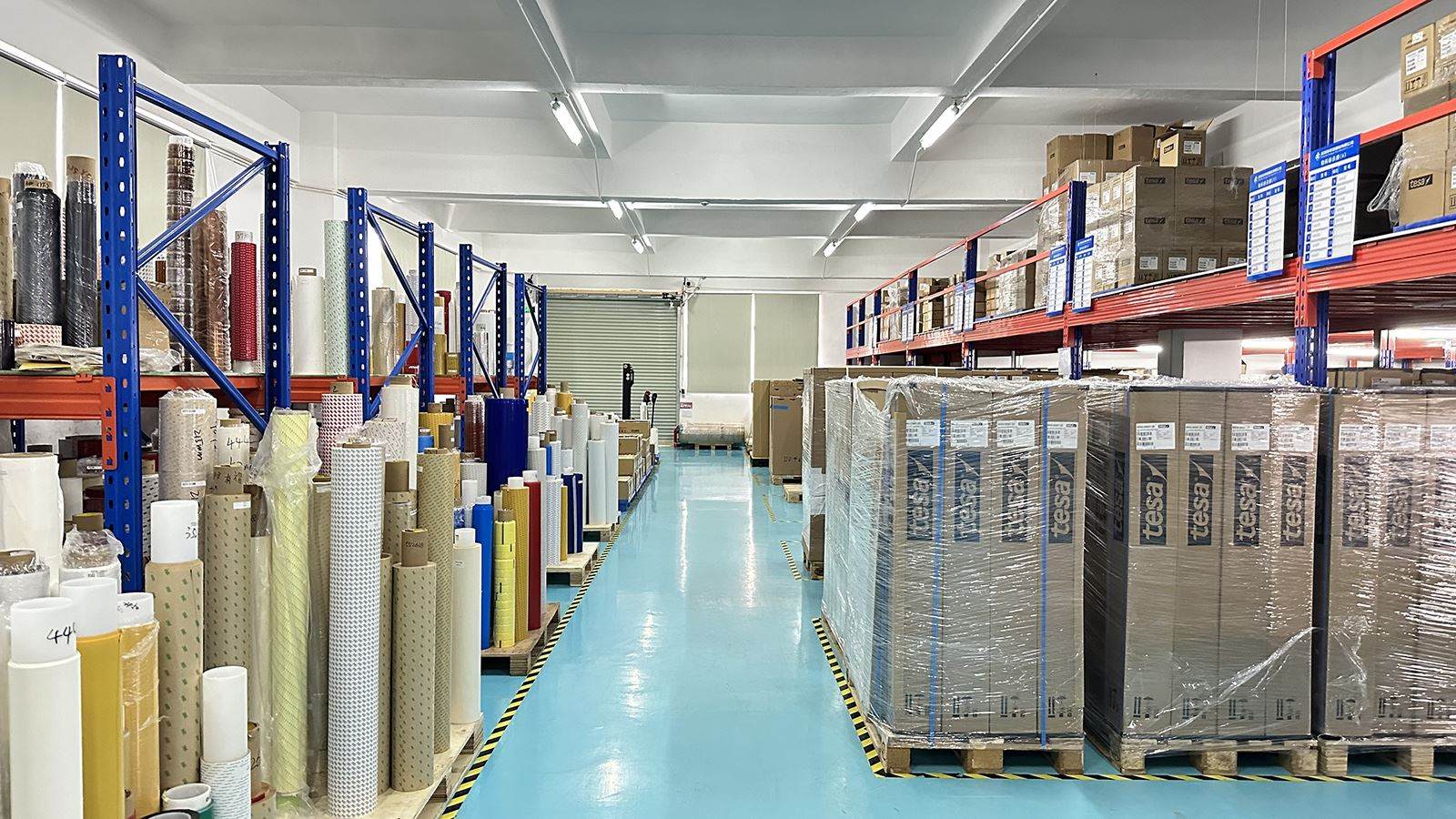
Purchasing teams often ask for a lower-cost equivalent to a tesa or 3M grade. Sometimes a valid alternative exists. Sometimes the apparently matching product differs in ways that only appear after aging or on a difficult substrate. This guide sets out a comparison method that protects the application.
A tape grade is a complete construction: carrier, adhesive chemistry, adhesive mass, liner, foam density and surface treatment. Two products can share a nominal thickness and still differ in shear strength, low-temperature tack, oozing and aging behaviour.
Brand names also cover families, not single products. A request for a VHB equivalent or a tesa 4965 alternative needs the actual application requirements, not only the original part number.
Write down what the bond must do before comparing products. This prevents a cheaper tape from being approved on a specification that does not describe the real job.
| Axis | What to compare | Why it matters |
|---|---|---|
| Construction | Carrier, adhesive type, thickness, liner | A different carrier changes conformability and die-cutting |
| Adhesion | Peel on the actual substrate, after dwell | Peel on steel does not predict adhesion to PP or powder coat |
| Cohesion | Static shear at temperature, SAFT | Creep is the usual failure mode in hot climates |
| Environment | Heat, humidity, UV and chemical resistance | Tropical service life depends on aging, not initial tack |
| Approvals | UL file, RoHS, REACH, low-VOC, flame class | A missing approval can block the whole project |
Suppose a drawing specifies a branded transparent acrylic foam tape for an exterior aluminium trim. The first question is whether the application is structural or decorative. If decorative, a different acrylic foam grade may be acceptable. If structural or safety-related, changing the product requires engineering approval and possibly re-certification.
Shortlist two alternatives: one with a similar foam density and adhesive skin, and one lower-cost product with a thinner foam. Test both against the incumbent using the same conditions. Include a heat-aged static shear test and a humidity-aged peel test. The lower-cost product may pass the initial peel test and fail the aged shear test, which is exactly the information the approval decision needs.
An equivalent should be approved as a specific alternative, not as a blanket substitution. Record the manufacturer, grade, construction, test results, approval scope and the person who signed off. If the supplier changes the construction, the approval should be revisited.
For regulated products, check whether the customer or the end market requires the original branded material. Some automotive, medical and electronics customers control the bill of materials and do not accept substitutions without a formal change request.
Send the original grade, the application description, the drawing or part photo, the substrate, the test standard and the annual volume. If you have an existing failure or a cost target, include that too. We will tell you whether a true equivalent exists, whether a functional alternative is realistic, or whether the original grade should stay.
This guide is general technical information, not a substitute for testing the selected material on your substrate and process. Values are grade dependent; confirm the current TDS before approval.
PET, non-woven, transfer and tissue tapes for electronics, automotive and appliance assembly.
View product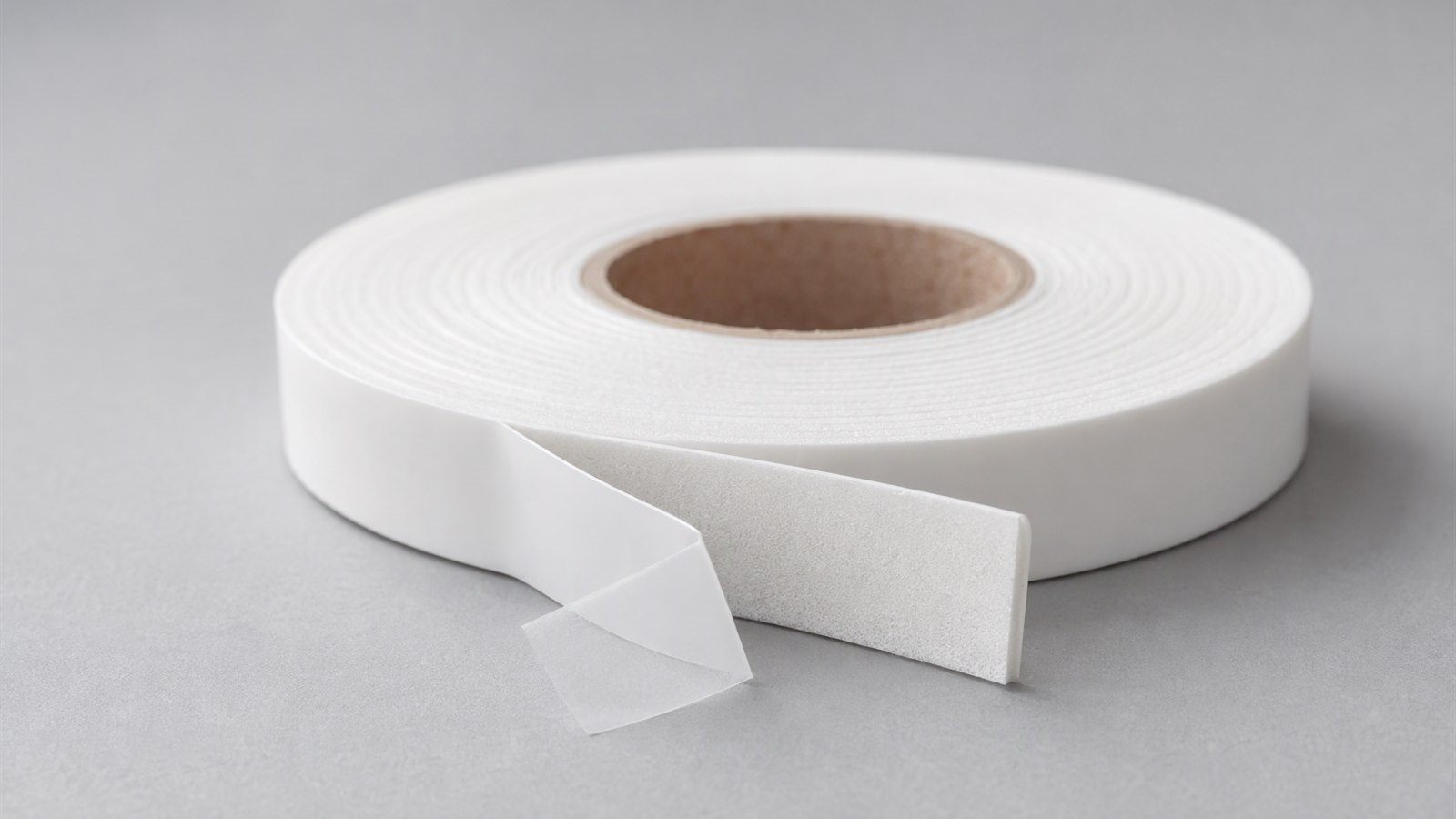
Acrylic foam, PE foam and VHB-style tapes for exterior trim, panels, glazing and appliance bonding.
View product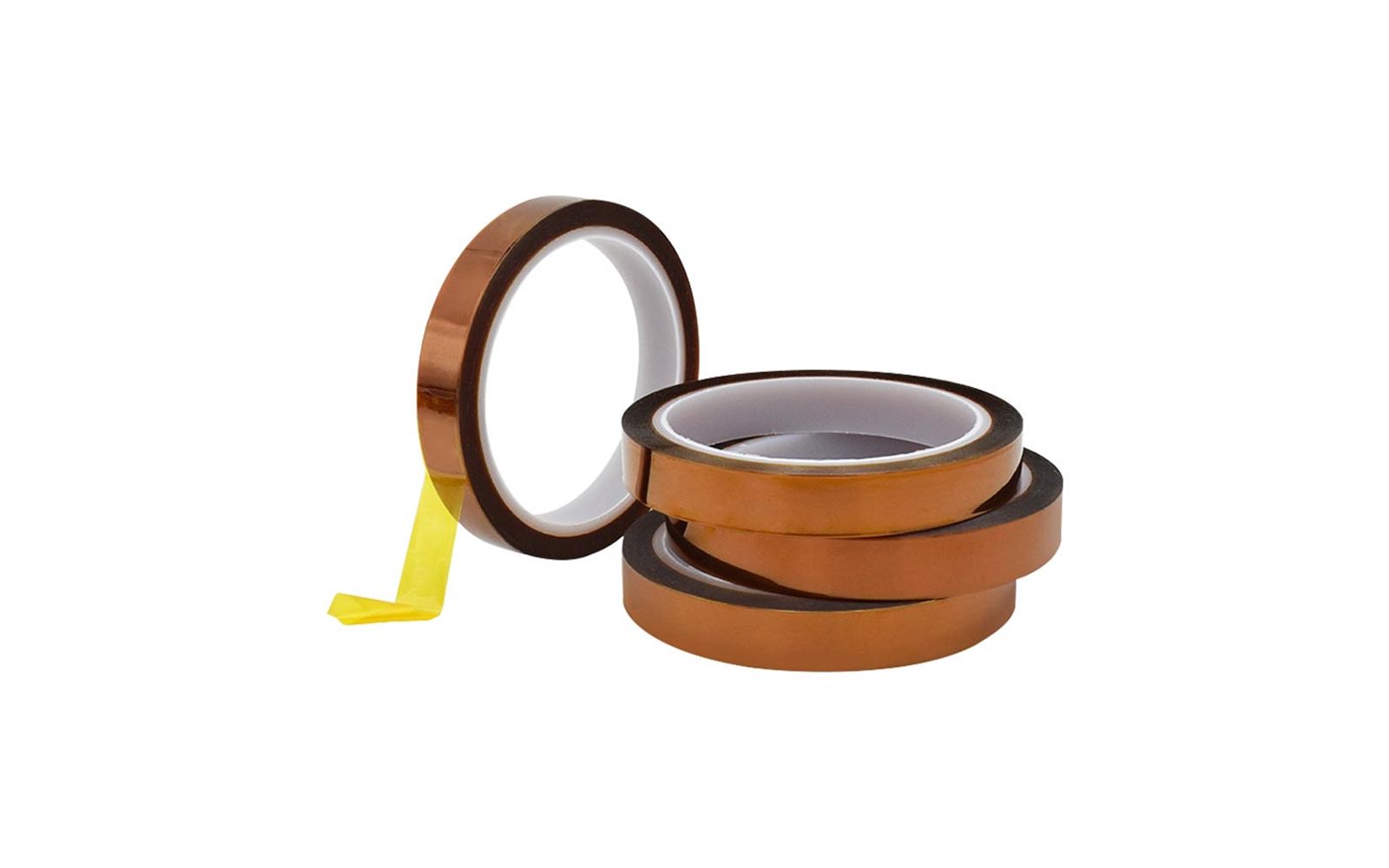
Conductive, polyimide, aluminum foil and thermal tapes for grounding, shielding, insulation and high-temperature protection.
View productSend the substrate, environment and drawing. We will propose a construction and a validation plan.