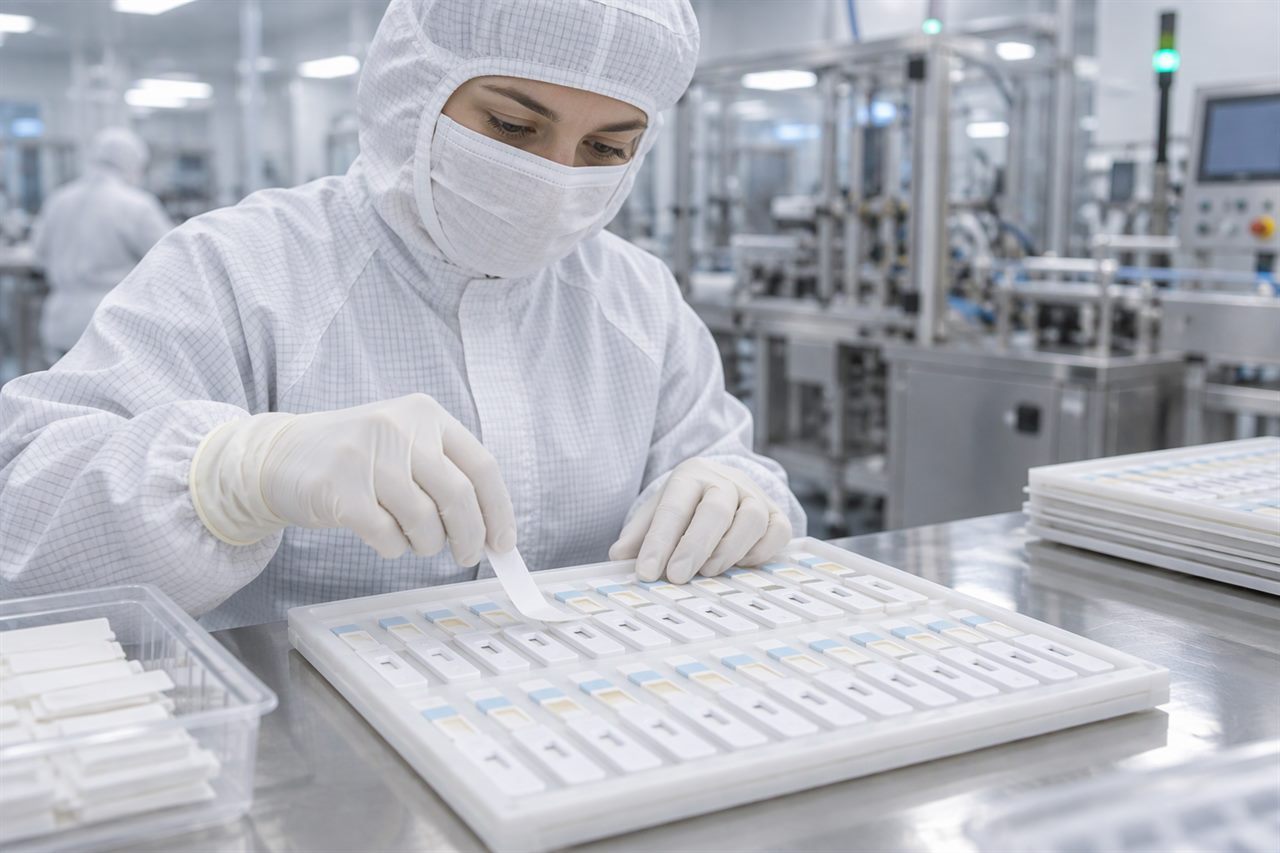
Medical & IVD
Precision medical assembly and IVD mid-separator tapes with clean die-cutting.
The top film on a diagnostic strip: it decides how the sample spreads and how fast it moves, and it has to keep doing that after ageing and after the assay chemistry has touched it.
A microfluidic device often fails in ways that look like a chemistry problem but are a surface problem. Flow rate, wetting and where the liquid stops are set by the film surface, and that surface has to survive storage, humidity and the reagents in the assay. A film that behaves on a fresh coupon and drifts after ageing shows up months later as batch rejects on a product that cannot be re-validated quickly.
We start from what the assay needs: fill time, the direction the liquid has to travel and where it must not go. A hydrophilic surface chosen without a flow target is only a wettable film.
The film families we supply differ by flow rate, degree of wetting, single- or double-sided coating, whether a protective liner is present, and thickness. Which of those vary is decided by your device rather than by a catalogue line.
Enzymes and reagents are the real test. We ask what the surface has to be compatible with and how the strip is stored, then confirm what documentation exists for the material under consideration.
The hydrophilic side usually has to bond to the same spacer construction it sits over, so film and tape are reviewed together and then die-cut to the device outline with the liner your assembly needs.
| Design variable | What it controls | Product family |
|---|---|---|
| Flow rate | How quickly the sample reaches the reaction zone | Specialty tape |
| Wetting level | Whether the surface takes an aqueous or a formulated sample | Specialty tape |
| Single or double sided coating | Whether the bonding side is coated as well | Functional tape |
| With or without protective liner | Protection through storage and assembly | Die-cut parts |
| Thickness and stiffness | Stack height and how the lid sits on the strip | Specialty tape |
Constructions are starting points. The final choice depends on the substrate, process, test standard and volume.
Precision medical assembly and IVD mid-separator tapes with clean die-cutting.
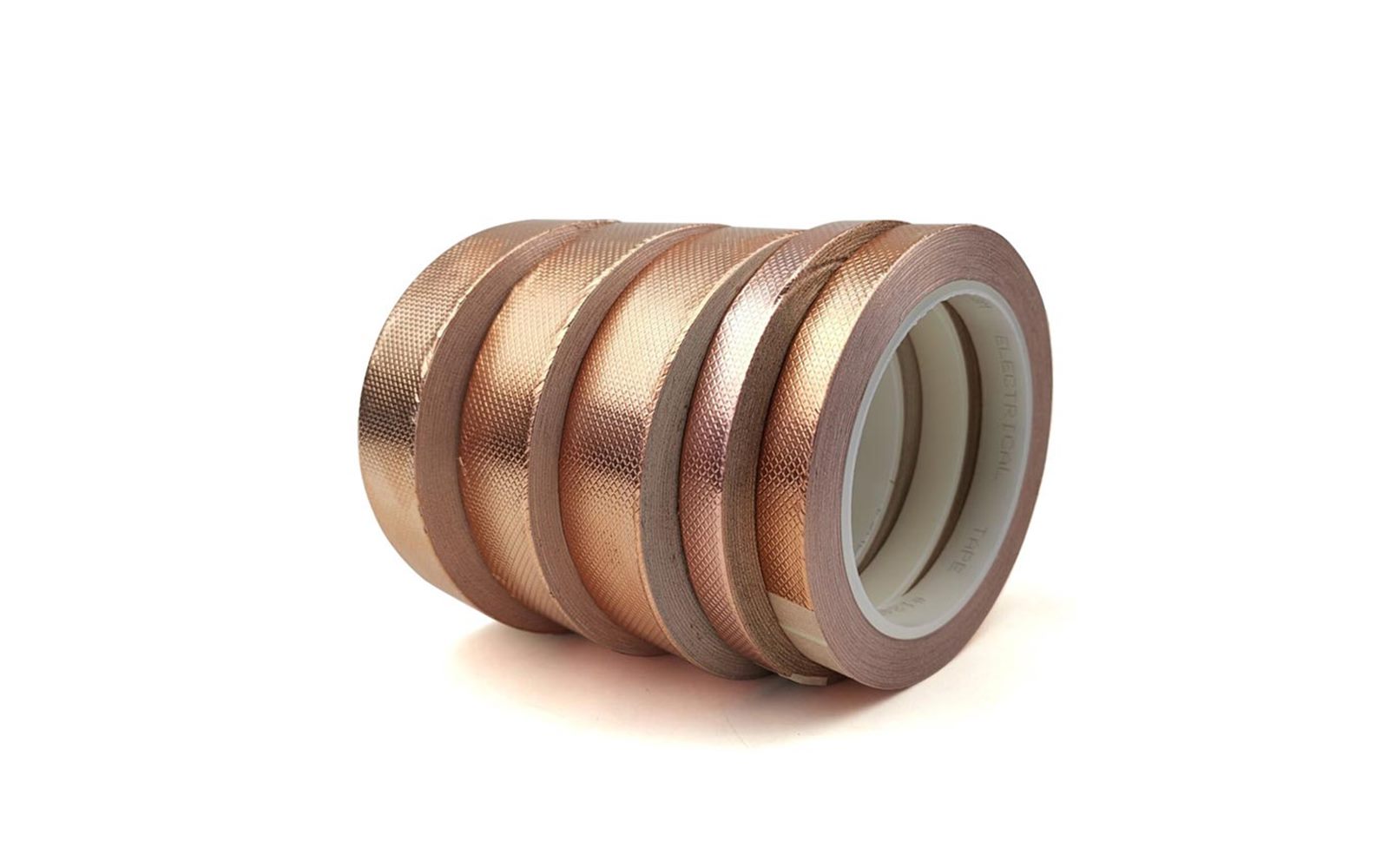
Easy-release, heat-reactive, low-VOC, medical IVD and laser-through glass tapes for demanding applications.
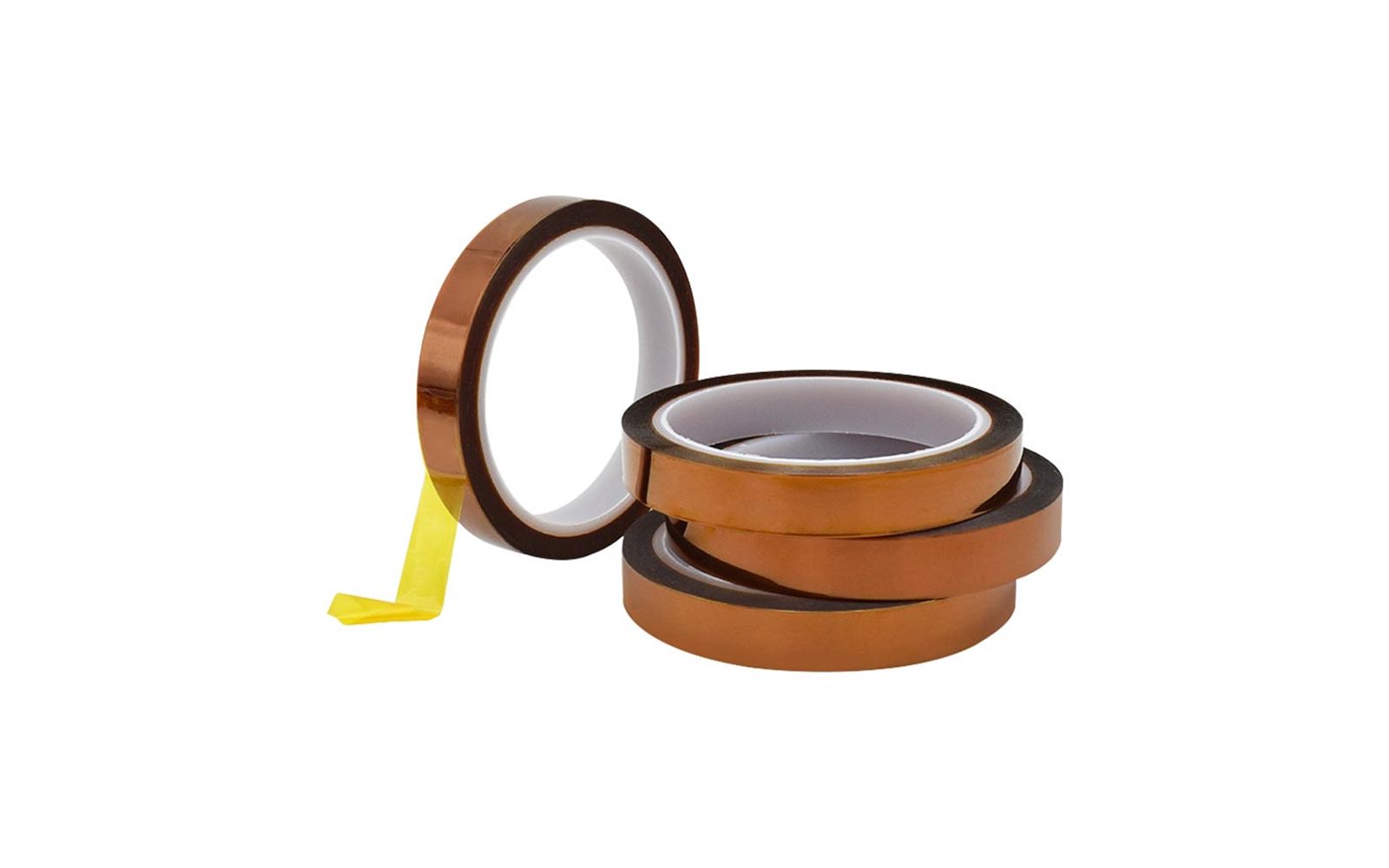
Conductive, polyimide, aluminum foil and thermal tapes for grounding, shielding, insulation and high-temperature protection.
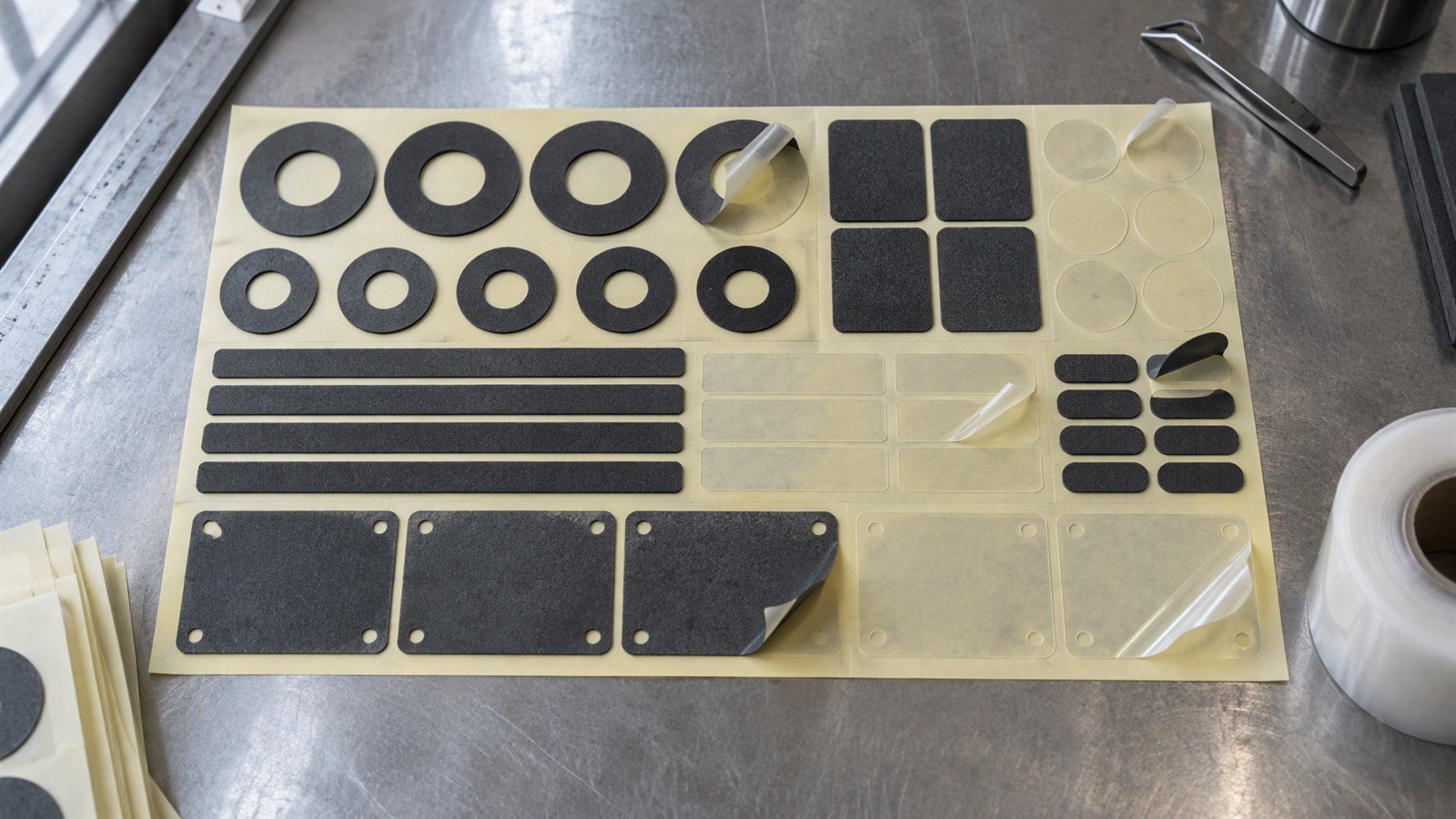
Custom adhesive parts from drawing to ready-to-install: flat-bed, rotary, laser cutting and kitting.
A photo, the substrate and the test you need are enough for a first review.