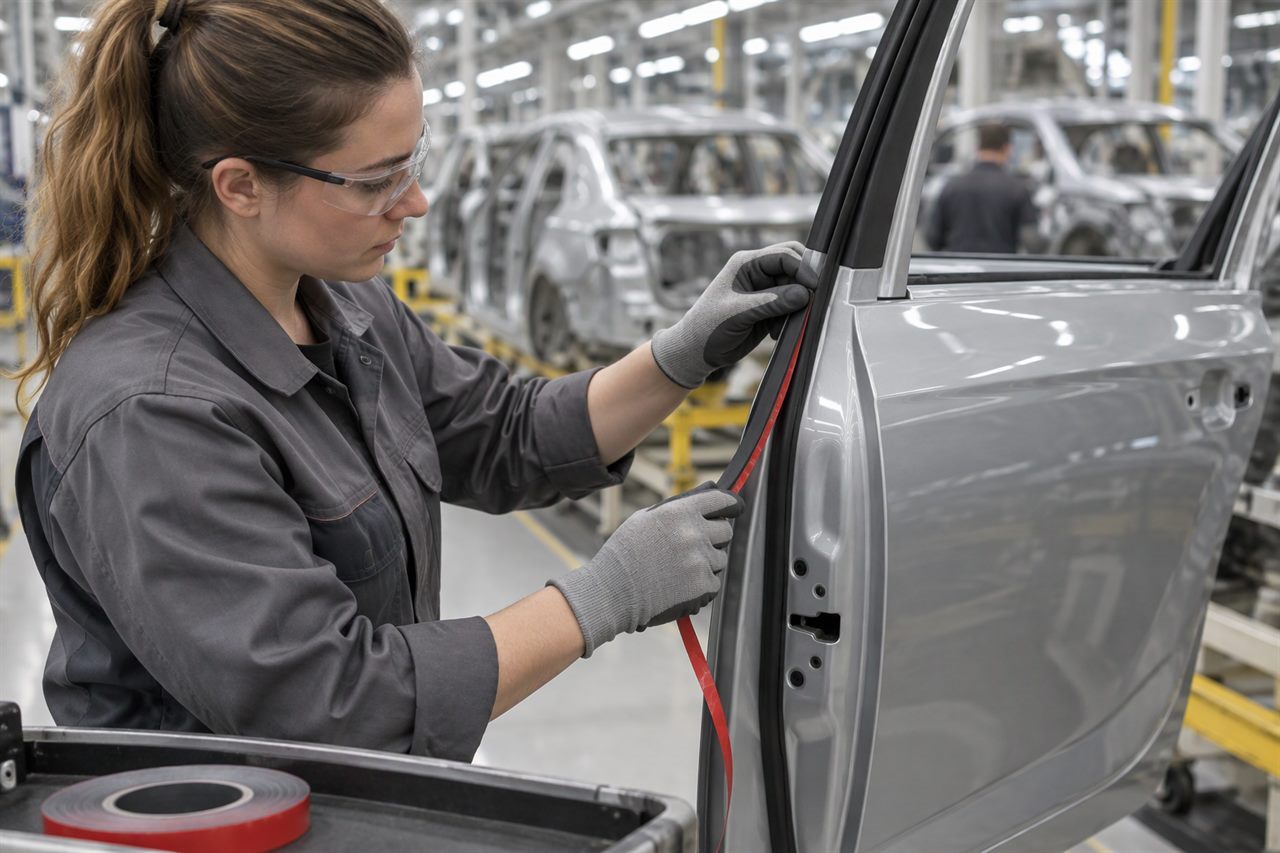
Automotive
Exterior trim, low-VOC interior, masking and label tapes for automotive manufacturing.
Wrapping, abrasion protection, noise damping and insulation materials for automotive and industrial harnesses, chosen with the wrap process and the routing environment in mind.
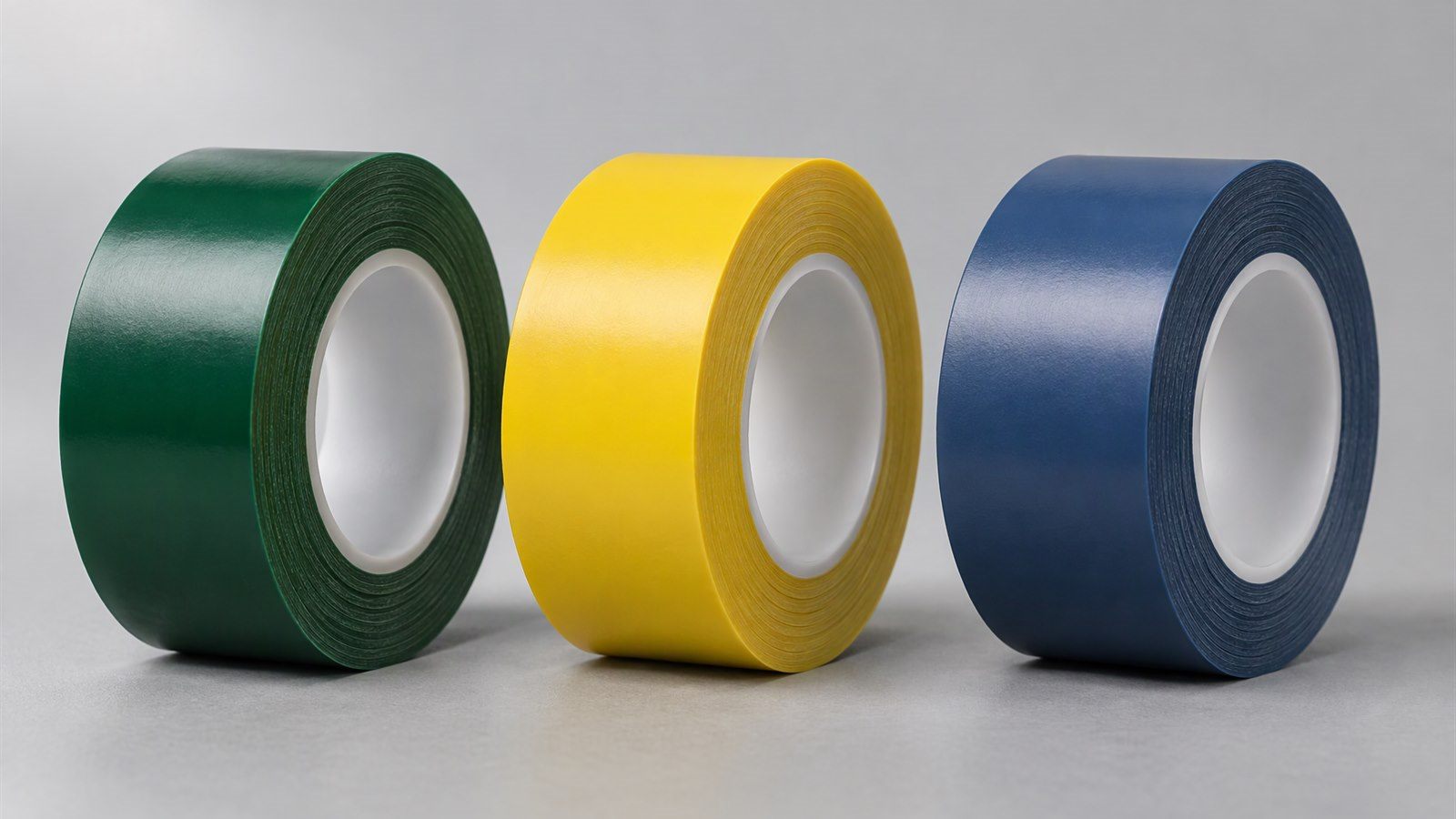
A harness tape is applied at speed, under stretch, at a fixed overlap, and then expected to stay quiet for the life of the vehicle. It can fail by unwinding at a terminal, losing adhesion where the bundle flexes, allowing chafing noise against a panel, or by being the wrong thickness for a robot wrap head. Under-hood routes add heat and fluids; door and parcel-rack routes add cyclic flexing; and rattle requirements are judged on the assembled vehicle, not on a roll.
Primary wrapping, abrasion protection, noise damping, insulation, marking and correction bundling are different requirements. We agree which one a position needs before any grade is discussed.
Stretch, overlap, tension, cut-off point and whether wrapping is manual or on a machine decide suitable thickness, conformability and unwind resistance. A tape that works by hand can fail on a robot, and the reverse is also true.
Peak temperature, continuous temperature, oil, coolant, salt, abrasive dust and contact with a moving part are reviewed per route, since one harness passes through several zones.
Where a rattle or squeak requirement applies, we test the tape against the actual contact surface, including sleeve, corrugated tube and clip interaction, because damping performance is a system property.
Jumbo and slit rolls, cut lengths, perforated rolls for machine heads and die-cut patches for loom tables are all supplied from the same material, so the format matches the work cell.
| Position on the harness | Typical construction | Product family |
|---|---|---|
| General loom wrapping | Cloth tape, impregnated, conformable and cuttable by hand | Functional tape |
| Noise damping on body contact points | Fleece and fabric-backed constructions | Functional tape |
| Abrasion protection at bulkheads | Tape used with or against sleeving, matched to the routing | Functional tape · Specialty tape |
| High-temperature and under-hood routes | Film and foil-backed tapes matched to the temperature profile | Functional tape · Specialty tape |
| Insulation and correction bundling | PVC and film insulation tapes | Specialty tape |
| Marking and identification | Printable and coloured cloth or film tapes | Masking & packaging tape |
| Grounding and shielding contacts | Conductive cloth tape with controlled contact behaviour | Functional tape |
| Patches and pre-cut pieces for loom tables | Cloth or film cut to size on a liner | Die-cut parts |
Constructions are starting points. The final choice depends on the substrate, process, test standard and volume.
Exterior trim, low-VOC interior, masking and label tapes for automotive manufacturing.
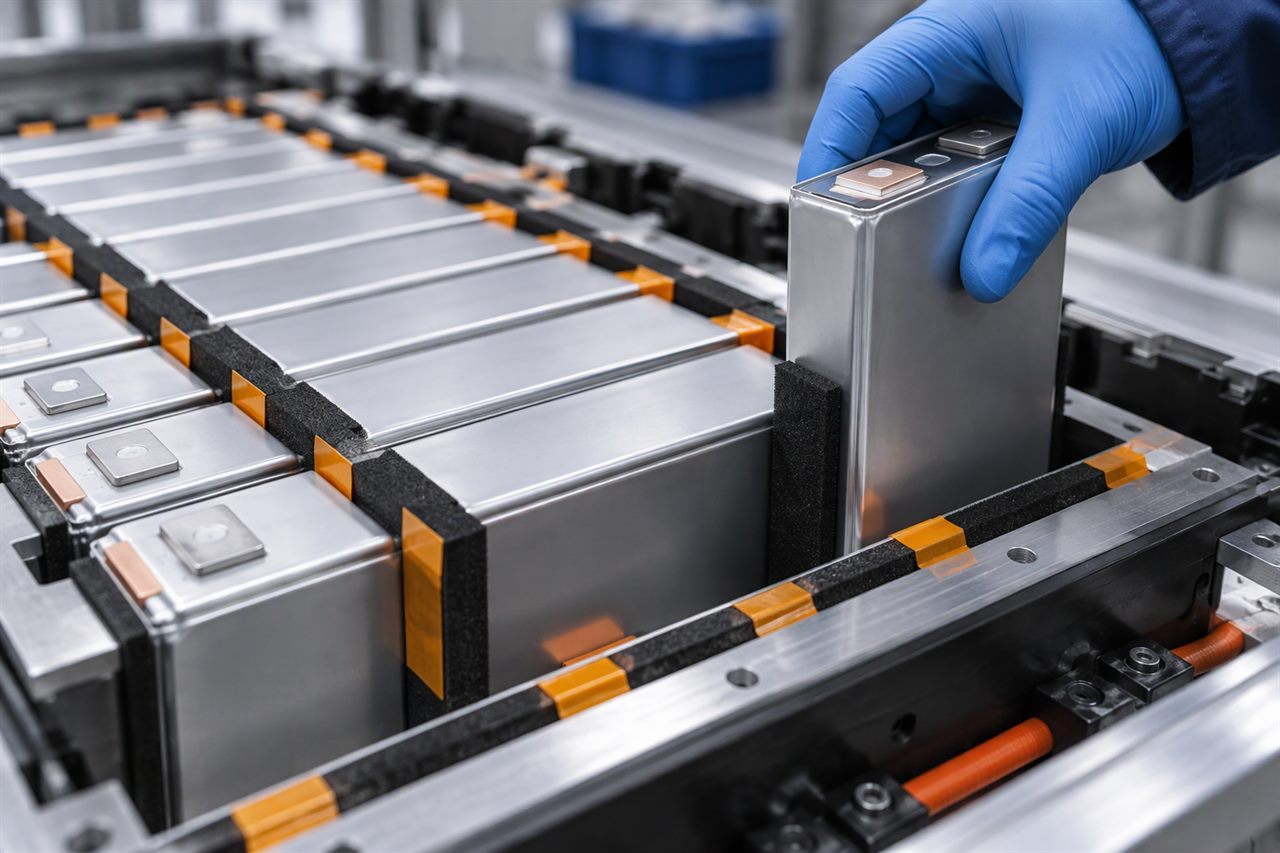
Battery bonding, insulation, thermal and flame-retardant tapes for EV, storage and solar.

Display, battery, FPC and shielding tapes for consumer electronics and EMS assembly.
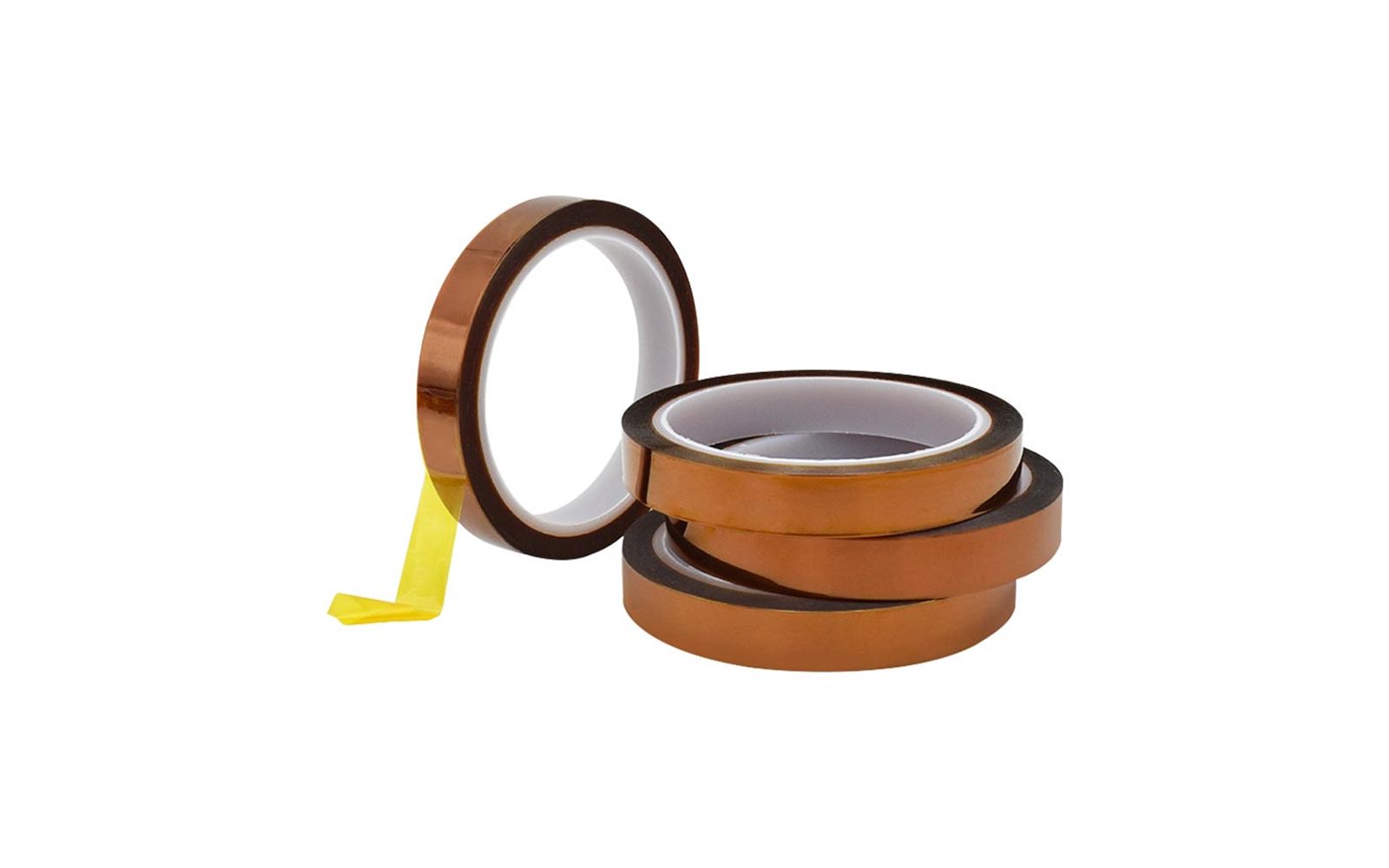
Conductive, polyimide, aluminum foil and thermal tapes for grounding, shielding, insulation and high-temperature protection.
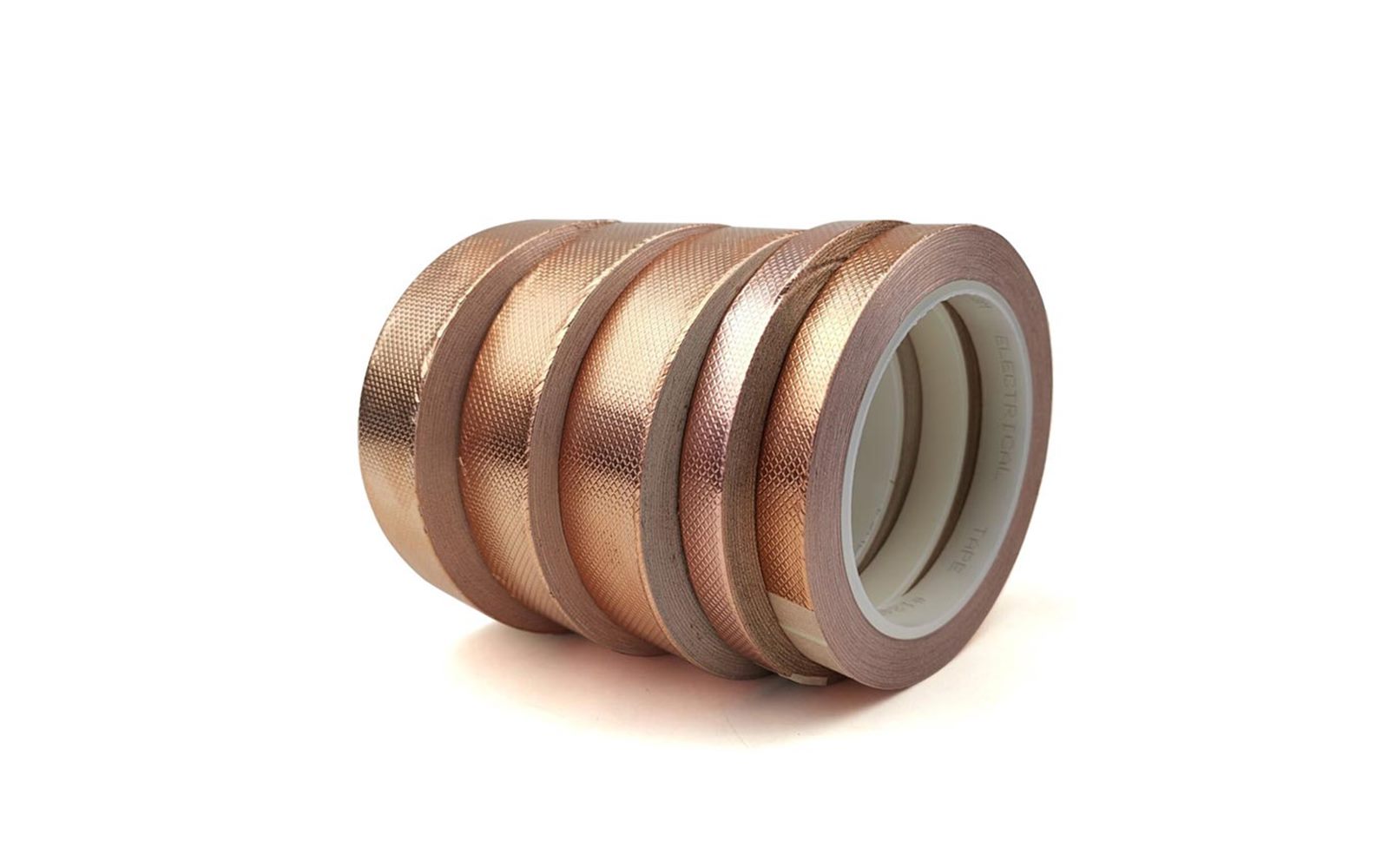
Easy-release, heat-reactive, low-VOC, medical IVD and laser-through glass tapes for demanding applications.
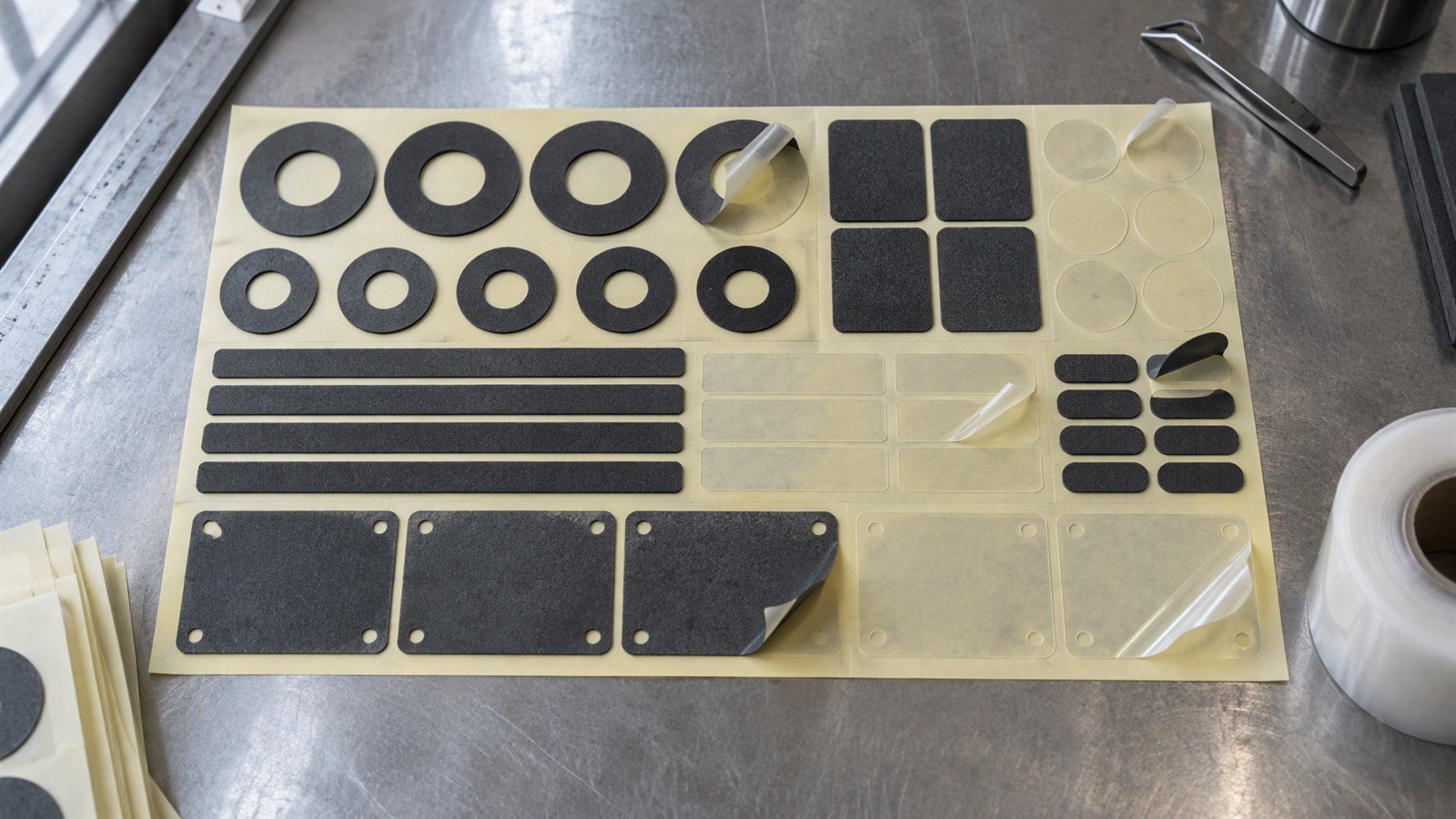
Custom adhesive parts from drawing to ready-to-install: flat-bed, rotary, laser cutting and kitting.
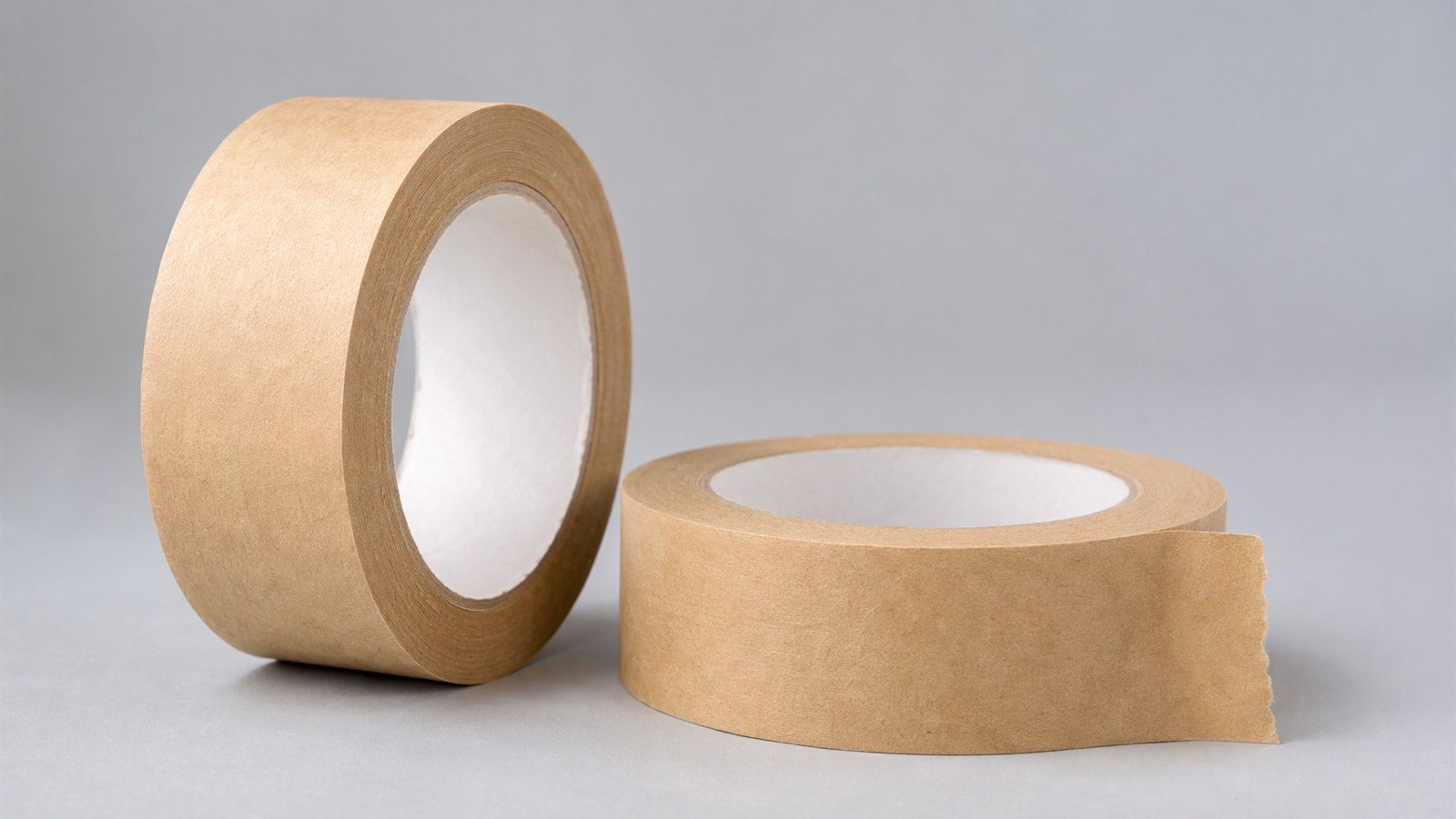
Masking, cloth, duct and MOPP tapes for painting, protection, bundling and carton sealing.
A photo, the substrate and the test you need are enough for a first review.